Owens Corning Oakridge vs. Duration Shingles | Which Is Best?
When it’s time to replace your roof, choosing the right shingle matters. Two of the most popular options on the market are Owens Corning Oakridge® and Duration® shingles—both known for their durability, style, and trusted performance. But what’s the difference, and which one is the best fit for your home? In this guide, we break down Oakridge vs Duration in simple terms so you can confidently choose the best roofing system for your needs and budget.
Key Differences Between Oakridge and Duration Shingles
To help you quickly understand the main differences between Owens Corning Oakridge and Duration shingles, we’ve created a side-by-side comparison chart. This breakdown highlights key factors like price, warranty, wind resistance, color options, and impact ratings—so you can make a confident decision based on what matters most for your home. Whether you’re focused on budget, performance, or curb appeal, this table makes it easy to compare both products at a glance.
| Feature | Owens Corning Oakridge | Owens Corning Duration |
|---|---|---|
| Price | More budget-friendly; lower cost per square. | Premium pricing (about 10–20% higher). Offers advanced features like SureNail® and higher wind rating. |
| Warranty | Limited Lifetime Warranty (for as long as you own your home). 10-year Tru PROtection℠ non-prorated coverage. | Also Limited Lifetime Warranty, with the same 10-year Tru PROtection℠ period. Transferable if you sell the home. |
| Wind Resistance | 110 MPH standard, 130 MPH with 6 nails and starter strips. | 130 MPH wind warranty out of the box (4 nails), thanks to SureNail® strip. |
| Impact Rating | No special hail impact rating (standard architectural). | Class 3 (UL 2218), may qualify for insurance discounts in hail-prone areas. |
| Colors & Appearance | Wide range of popular colors; a subtle dimensional look. | Larger color selection with more choices overall. Thanks to the TruDefinition® color platform, Duration shingles often look brighter and more vibrant, giving a bolder, high-contrast appearance. |
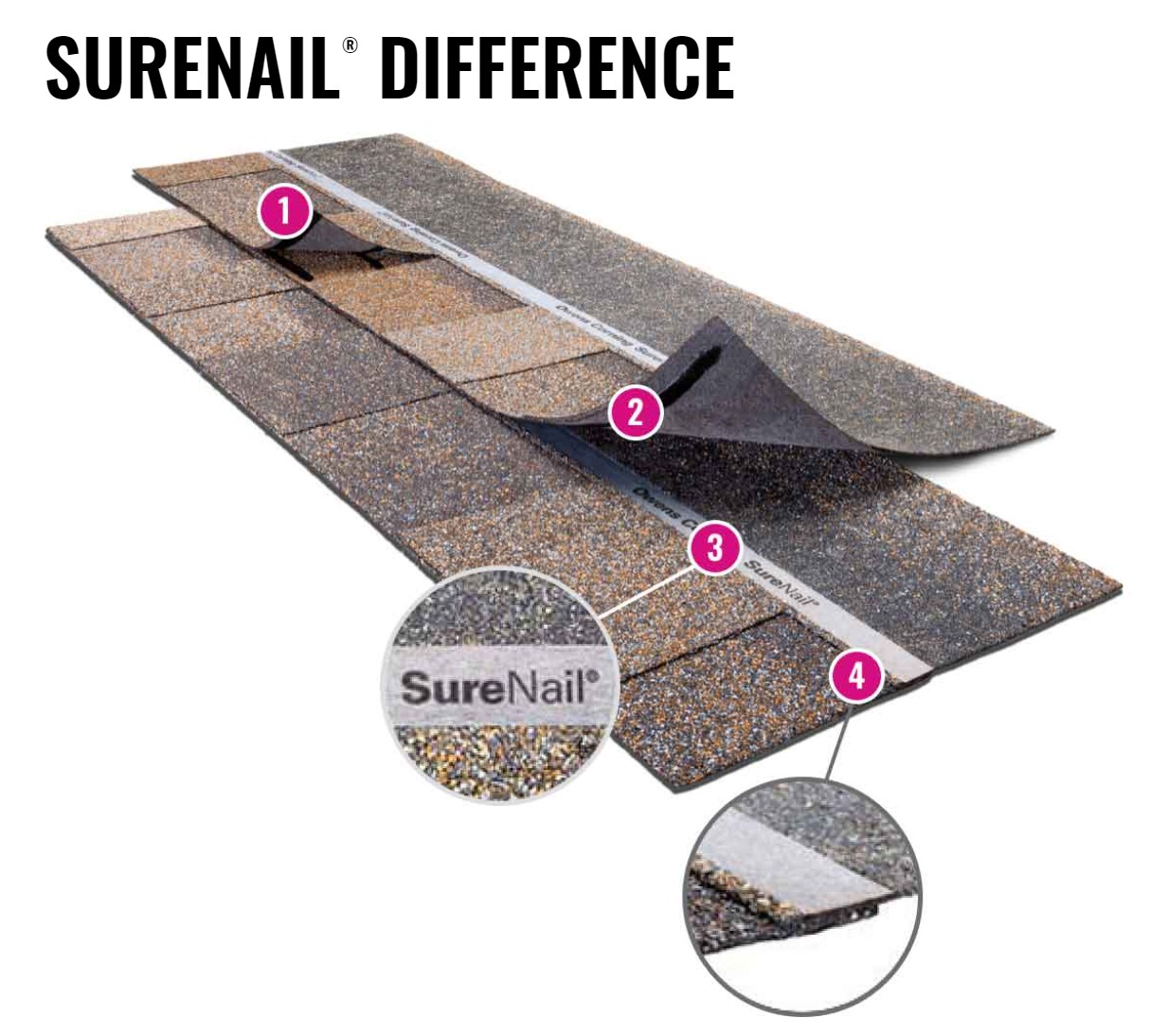
| Nailing Zone | Standard laminated nailing zone (double-layer). | Patented SureNail® Technology (triple-layer reinforced strip for nails). |
| Ideal Use Case | Value-focused homeowners, rentals, or properties on a tighter budget. | Long-term homeowners, storm-prone areas, or those seeking premium curb appeal. |

Price & Budget
Owens Corning Oakridge shingles are a great option for homeowners looking for a budget-friendly roof without sacrificing quality. They come in at a lower price point per square, making them ideal for short-term properties, rentals, or anyone looking to save upfront. On the other hand, Duration shingles are considered a premium option, typically priced about 10–20% higher. The added cost reflects advanced features like SureNail® Technology and higher wind ratings, which can offer greater long-term value and protection.
Check out our How Much Does A New Roof Cost Blog to read more on pricing
Warranty Coverage
Both Oakridge and Duration shingles are backed by a Limited Lifetime Warranty and a 10-year Tru PROtection® period, which covers labor and materials without proration. However, Duration shingles have the added advantage of being transferable if you sell your home, which can add resale appeal. This makes Duration a better long-term investment for homeowners planning to stay in their home for many years or looking to enhance property value.
Wind Resistance
If you live in an area prone to storms or high winds—like Houston or coastal Texas—wind resistance matters. Oakridge shingles offer wind protection up to 110 MPH, but can be rated up to 130 MPH with the use of 6 nails and starter shingles. Duration shingles come with a 130 MPH wind warranty right out of the box using only 4 nails, thanks to Owens Corning’s patented SureNail® strip, which reinforces the nailing zone for stronger holding power.
Impact Resistance & Insurance Discounts
If you live in a hail-prone area, your shingle’s impact rating can directly affect insurance premiums. Oakridge shingles do not have a special impact rating. Duration shingles, however, carry a Class 3 UL 2218 Impact Rating, which may qualify homeowners for insurance discounts and offers better protection from hail and debris.
Why Insurance Companies Offer Discounts for Class 3 & Class 4 Roofs in Houston
High Risk of Hail Storms in Texas
Houston and surrounding regions frequently experience severe hailstorms, especially in spring and early summer. Hail causes billions in roof damage each year, making Texas one of the most hail-prone states.
UL 2218 Impact Rating System
The Underwriters Laboratories (UL) developed the UL 2218 standard to test and classify roofing materials based on their resistance to hail damage. The test involves dropping steel balls from set heights and checking if the material cracks or breaks.
- Class 3: Withstands a 1.75″ steel ball dropped from 17 feet
- Class 4: Withstands a 2″ steel ball dropped from 20 feet (highest rating)
Lower Risk = Lower Premiums
Insurance companies reward homeowners who install higher-rated roofing (Class 3 or 4) because it reduces the chance they’ll have to pay out hail damage claims. These shingles often resist cracking, splitting, and granule loss better than standard shingles.
Texas Department of Insurance (TDI) Incentives
The Texas Department of Insurance allows carriers to offer discounts for homes using qualified impact-resistant roofing materials — especially Class 4. These discounts vary by provider but can range from 5% to 35% on the wind/hail portion of your premium.

This is a sample form from State Farm that we were required to complete to apply for a reduction in residential insurance premiums after installing impact-resistant shingles.
Disclaimer: This form is provided for informational purposes only. Do not use this exact form for your own submission. Insurance providers like State Farm may update their forms and requirements at any time.
Always contact your insurance company directly to get the most current and approved form before submitting.
Color Options & Appearance
Both shingle lines are designed to enhance your home’s curb appeal with an architectural, dimensional look. Oakridge shingles have a softer, more traditional style with a range of popular colors. Duration shingles offer a larger selection of vibrant, bold colors through Owens Corning’s TruDefinition® color platform. Thanks to their deeper contrast and brighter appearance, Duration shingles stand out more dramatically and provide a high-end finish.
Side-by-side of Oakridge vs Duration in Driftwood Color
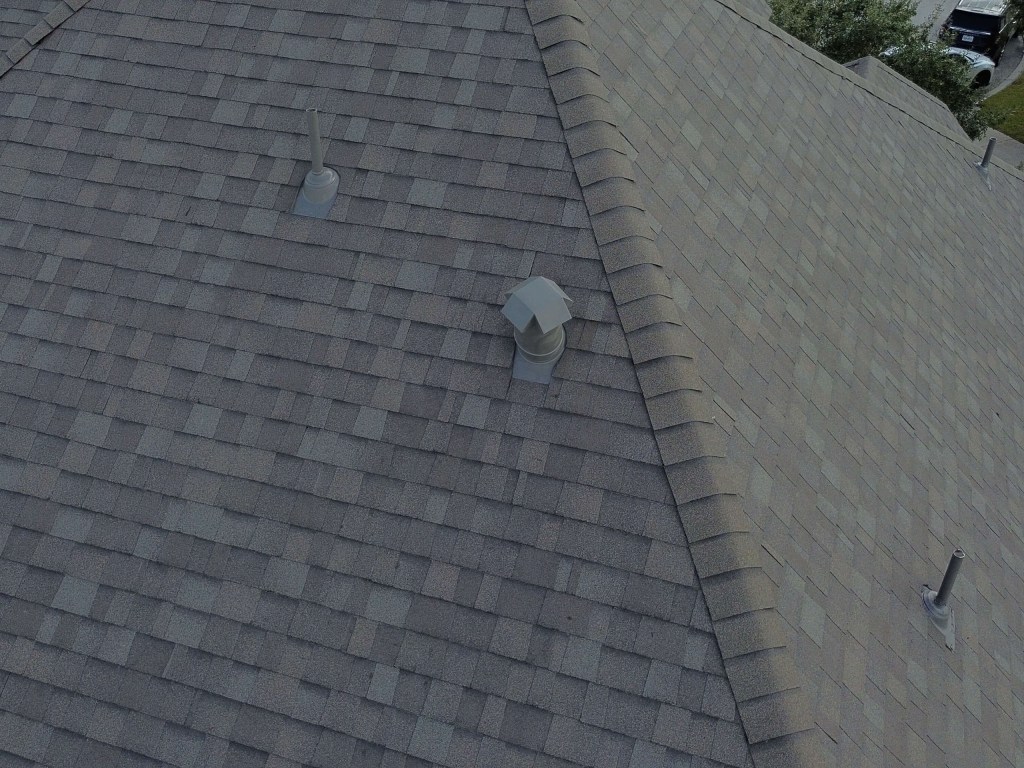
Oakridge Shingle in Color Driftwood
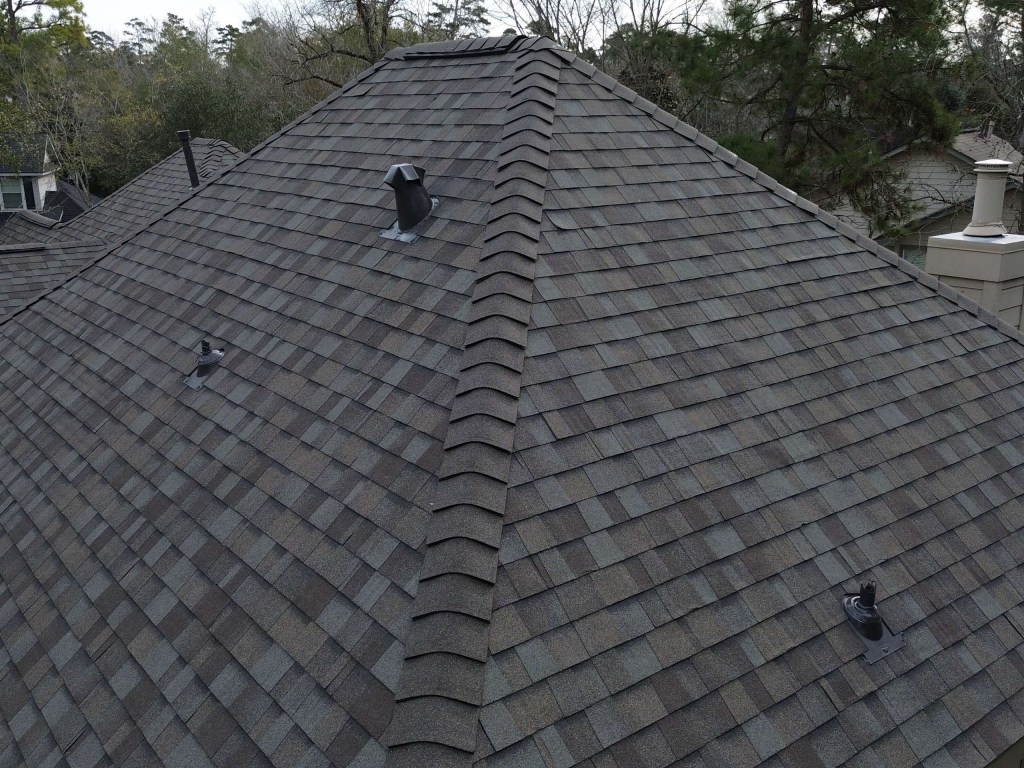
Duration Shingle in Color Driftwood
Nailing Zone & Installation
Oakridge shingles feature a standard double-layer nailing zone that requires 4 to 6 nails depending on your desired wind rating. Duration shingles include the patented SureNail® Technology—a reinforced fabric strip embedded into the nailing area that provides a triple-layer strength. This makes them easier and faster to install while ensuring a more secure hold, especially during storms.
Oakridge Shingles
-
Uses a standard double-layer nailing zone
-
Requires 4–6 nails depending on wind resistance needed
Duration Shingles
-
Features SureNail® Technology, a reinforced triple-layer nailing strip
-
Easier and faster for roofers to install with consistent fastening
Which Shingle is Best for You?
Both Owens Corning Oakridge and Duration shingles are excellent roofing choices—but the best one depends on your goals. Oakridge offers dependable quality at a great value. Duration delivers top-tier performance and visual impact for long-term peace of mind. Either way, make sure your roof is installed by a trusted local contractor.
Choose Oakridge If:
- You’re on a tighter budget
- It’s a rental property or short-term home
- You want solid protection with traditional colors
Choose Duration If:
- You’re in your forever home
- You live in a high-wind or hail-prone area
- You want the boldest colors and highest performance
TruDefinition Duration Installations
Oakridge Installations

A Homeowner’s Guide to Cost-Effective Roof Replacement in Houston, TX
What is the Cheapest Roof Replacement? Let’s face it, getting a new roof is a big deal and can be pretty costly. But hey, who says you can’t find a great deal that doesn’t skimp on quality? Your roof isn’t just what makes your house look good; it’s your first line of defense against rain, wind, and that scorching Houston sun. Here, we provide you with all the information you need to answer your most important questions:
- How to Get a Cheap Roof?
- What is the Cheapest Roofing Material?
- How Much Does It Cost to Replace Your Roof?
- Tips for Getting an Affordable Roof
How To Get A Cheap Roof?
Roof replacements can be a significant investment, and there are many reasons why you might need an affordable option. Whether you’re tight on budget, managing a rental property, dealing with insurance claims, or facing an unexpected expense, finding a cost-effective roofing solution is important.
Here’s how to get a quality roof without breaking the bank:
Material Matters
The material is a major factor in roofing costs. Prices vary, and they’re mostly set by manufacturers. However, some roofing suppliers offer better rates on certain materials. Our advice? Talk to your contractor about the most budget-friendly materials they can provide. We’ll explore more on materials in the sections below.
Choosing the Right Roofing Company
Local companies, especially family-owned ones, often have lower overheads and can offer fair prices without compromising on quality. It’s a win-win to support local businesses and save money.
Financing Options
Look into financing options for your roof replacement. This could be a line of credit from your bank or payment plans offered by the roofing company. Some local contractors might even agree to a partial upfront payment followed by monthly installments.
Insurance Claims
If you’ve recently experienced severe weather, ask your contractor about potential storm damage that your insurance might cover. Only consider this if there’s actual damage, as unnecessary claims can complicate matters.
Quality vs. Cost
While these tips can help lower your costs, remember that quality is key. Choosing the cheapest option might lead to poor craftsmanship, resulting in more costs down the line. It’s best to work with a trusted local roofer to find a balance between cost and quality. They need to run a sustainable business, so their prices need to be fair for both parties.
In summary, while affordability is crucial, it shouldn’t come at the expense of quality. By making informed choices and working with reputable professionals, you can find a roofing solution that fits your budget and provides lasting value.
Understanding Roofing Materials: What You're Really Paying For
When it comes to replacing or installing a new roof, most homeowners focus on the shingles — but that’s just one part of the entire roofing system.
There are multiple brands, price points, and components involved, and understanding them can help you make better decisions (and avoid getting ripped off).
What's Included in a Roofing System?
Every Roof has standard components, plus optional ones depending on your home’s design. Below is a breakdown of what to expect:
Core Roof Materials (Standard on Every Roof)
Asphalt Shingles – Your main roofing layer
Starter Shingles – Laid along the edges to prevent blow-off
Hip & Ridge Shingles – Cover roof ridges for protection and finish
Underlayment – A protective barrier beneath the shingles
Ice & Water Barrier / Valley Metal – Protects valleys or vulnerable areas
Step Flashing – Metal strips that prevent water leaks near walls and chimneys
Plumbing Boots – Seals around plumbing vent pipes
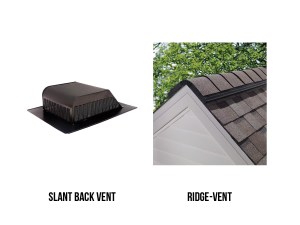
Ridge Vent or Static Box Vents – Allow heat and moisture to escape the attic
Furnace Vents / Bathroom Vents – Tie into your home’s exhaust system
Drip Edge – Metal trim that guides water off your roof and into gutters
Additional Roofing Components (Installed If Needed)
Chimney Flashing – Custom flashing around your chimney
Skylight Flashing – Prevents leaks around skylights
Low-Slope Material (e.g. Modified Torch) – For flatter roof sections
Others: Cricket installation for chimneys, decking repairs, brick wall flashing etc.
Asphalt Shingles: What You Need to Know
Your choice of shingles plays a major role in your overall roofing cost. The larger your roof, the more shingles are needed to cover it—so as your roof size increases, so does the cost of materials.
Starter Shingles: We recommend local suppliers’ branded starters for cost-effective roofing. Quality matches higher-priced options, akin to HEB or Walmart brands. In Houston, TX, choose trusted suppliers like ABC Supply, SRS Supply, Beacon, RSI, etc.

Hip & Ridge Shingles: To save money on Hip & Ridge shingles, we recommend using the same brand as your 3-Tab shingles. This is the most common and economical choice for Hip & Ridge Shingles.

Underlayment: The cheapest underlayment available is 15LB felt; however, we do not recommend using this. It is within building codes; however, you can upgrade to synthetic underlayment for little money. We recommend installing the local suppliers’ branded synthetic underlayment. Quality will be better than 15LB felt. It is comparable to HEB branded or Walmart branded items. In Houston, TX, we recommend going with recognized suppliers such as: ABC Supply, SRS Supply, Beacon, RSI, etc.

Ice & Water Barrier vs. Valley Metal: For an affordable choice in Houston, go with ice & water barriers instead of valley metal. Consider local brands for ice & water barriers—they’re high quality but cost less, much like store brands at HEB or Walmart. For the best products, stick to well-known suppliers like ABC Supply, SRS Supply, Beacon, RSI, and others in Houston, TX.

Plumbing Boots: The most budget-friendly option is a plastic plumbing boot, but we suggest going with a galvanized metal one instead. It costs a bit more but is worth it because it handles the Texas heat much better. In that heat, plastic boots can warp, causing shingles to buckle and leak. Metal boots are tougher against Texas weather and can even be more cost-effective than fancier types like bullet boots.

Ridge Vent / Static Box Vents:We recommend sticking with your current ventilation system if you’re looking to save money. It’s wise to have a roofer come out and ensure you have proper ventilation. If you currently have a ridge vent, install a standard ridge vent, not the upgraded option. Similarly, if you have box vents, install standard box vents instead of the upgraded solar box vents.
Furnace Vents:
When considering the most cost-effective approach, having the furnace inspected and, if necessary, replacing the base, color, or cap, followed by resealing and painting, is advisable.

Drip Edge: The most common sizes are 1 1/2 inches and 2 inches. For those seeking the most cost-effective option, the 1 1/2-inch size is recommended.

How Much Does It Cost To Replace Your Roof?
The average cost to replace a roof in Houston is around $13,000, with most people spending in the range of $8,000 to $22,000.
When you receive a roof replacement estimate from your roofing company, they measure your home in squares: 100 sqft equals 1 SQ.
The biggest factors that will affect this price are the material, which we have covered, and the complexity of the roof. For more information, refer to our blog, “How Much Does A New Roof Cost In Houston”
What To Consider When Choosing Cheaper Roofing Materials?
Trying to get the cheapest roof possible can be a risky game. There’s a big difference between finding a good deal—and hiring someone who cuts corners.
Yes, there are ways to save money. But at the end of the day, quality roofing requires a fair investment. Many low-budget contractors offer tempting prices, but often skip key materials, ignore local codes, offer no warranty, and use poor workmanship. In the long run, this can lead to leaks, costly repairs, or even a full replacement years sooner than expected.
Here’s how to protect your investment (without breaking the bank):
Choose affordable architectural shingles over 3-tab shingles.
They last 10–15 years longer, withstand higher winds, and require the same labor. The cost difference is small—but the long-term value is huge.Don’t skip essential roofing components.
Your quote should include replacing all critical parts of the system:
Underlayment, Drip Edge, Ice & Water Shield, Plumbing Boots, and Vents. A complete roof system protects your home—and your warranty.Hire the right roofing company.
Look for a local, established contractor with strong reviews, proof of insurance, and ideally certifications with manufacturers. A roofer that’s been in business for 5+ years is more likely to stand behind their work.
The Ultimate Guide to Hail Roof Inspections: Tips and Techniques
Hailstorms can wreak havoc on your home, particularly your roof. Even seemingly small hailstones can cause significant damage over time. That’s why inspections right after a storm are crucial to ensuring the structural integrity of your roof.
In this comprehensive guide, we will walk you through the essential tips and techniques for conducting a thorough hail roof inspection checklist as a Homeowner.
Table of Contents
Understanding Hail Damage
Before diving into the inspection process, it’s essential to understand how hail can affect your roof. Hail damage isn’t always immediately apparent. Small dents and granule loss might seem insignificant at first, but they can lead to more extensive problems over time, including leaks and weakened structural integrity.

Hail damage can significantly impact roof shingles in various ways:
Bruising or Denting: Hailstones can create dents or bruises on shingles, which might not be immediately visible. Over time, these weakened areas can lead to further deterioration.
Granule Loss: The impact of hail can dislodge the granules from the surface of the shingles. These granules protect the asphalt layer underneath from sunlight and weathering. Loss of granules can accelerate the aging of the shingles.
Cracking: Large or high-velocity hailstones can crack shingles, leading to immediate and obvious damage. Cracked shingles can allow water to seep through, leading to leaks and water damage.
Loosening of Shingles: The impact of hail can loosen or displace shingles, compromising the roof’s integrity and making it more susceptible to wind damage and leaks.
Compromised Waterproofing: Any damage to the shingles can potentially compromise the waterproofing effectiveness of the roof, leading to water infiltration and associated problems.
Timing Matters
Timing is crucial when it comes to hail roof inspections. Ideally, you should perform an inspection after every significant hailstorm. However, if you’re unable to do so immediately, it’s never too late to check for damage.
We do not advise any of our homeowners to get up on the roof to perform an inspection. Leave that to our trained professionals at HHH Roofing & Construction.
When is Hail Season in Texas?
Hail season in Texas typically occurs during the spring and early summer months, with the highest likelihood of hailstorms from March to June. This is when warm, moist air from the Gulf of Mexico can collide with cooler air masses, creating the conditions necessary for severe thunderstorms and hail formation.
Keep in mind that Texas is a large state, and the timing and intensity of hailstorms can vary depending on the specific region within the state. It’s always a good idea to stay informed about weather conditions and to be prepared for severe weather events, especially during the spring and early summer months.
Step-by-Step Inspection Process
In order to file an insurance claim for hail damage, you’ll need a professional evaluation from a licensed roofing company. For the sake of safety, it isn’t recommended to climb on your roof – especially if it may be compromised by a serious weather event. However, you may be able to spot hail damaged without having to fetch a ladder.
1. Safety First
Always prioritize safety. Before inspecting for hail damage, ensure that it’s safe to do so. Wait until the storm has completely passed and it’s safe to be outside.
2. Check Exterior Surfaces
Roof: Start by examining your roof. Look for signs of damage on shingles, especially along the ridges and edges. Look for dents on metals, vents, & chimneys. You might notice even large enough hail will crack skylights.

Siding: Check the siding of your home for dents, cracks, or holes. Hail can cause visible damage to all types of siding materials (vinyl, James Hardie, or metal). It can be simple as a dent or even extreme to completely going through the material.

Windows: Especially second story windows that have screens will be the most visible for identifying hail damage: Screens will be damaged and have holes through them. Also, check for dents or dings in the window frames.


3. Gutters and Downspouts
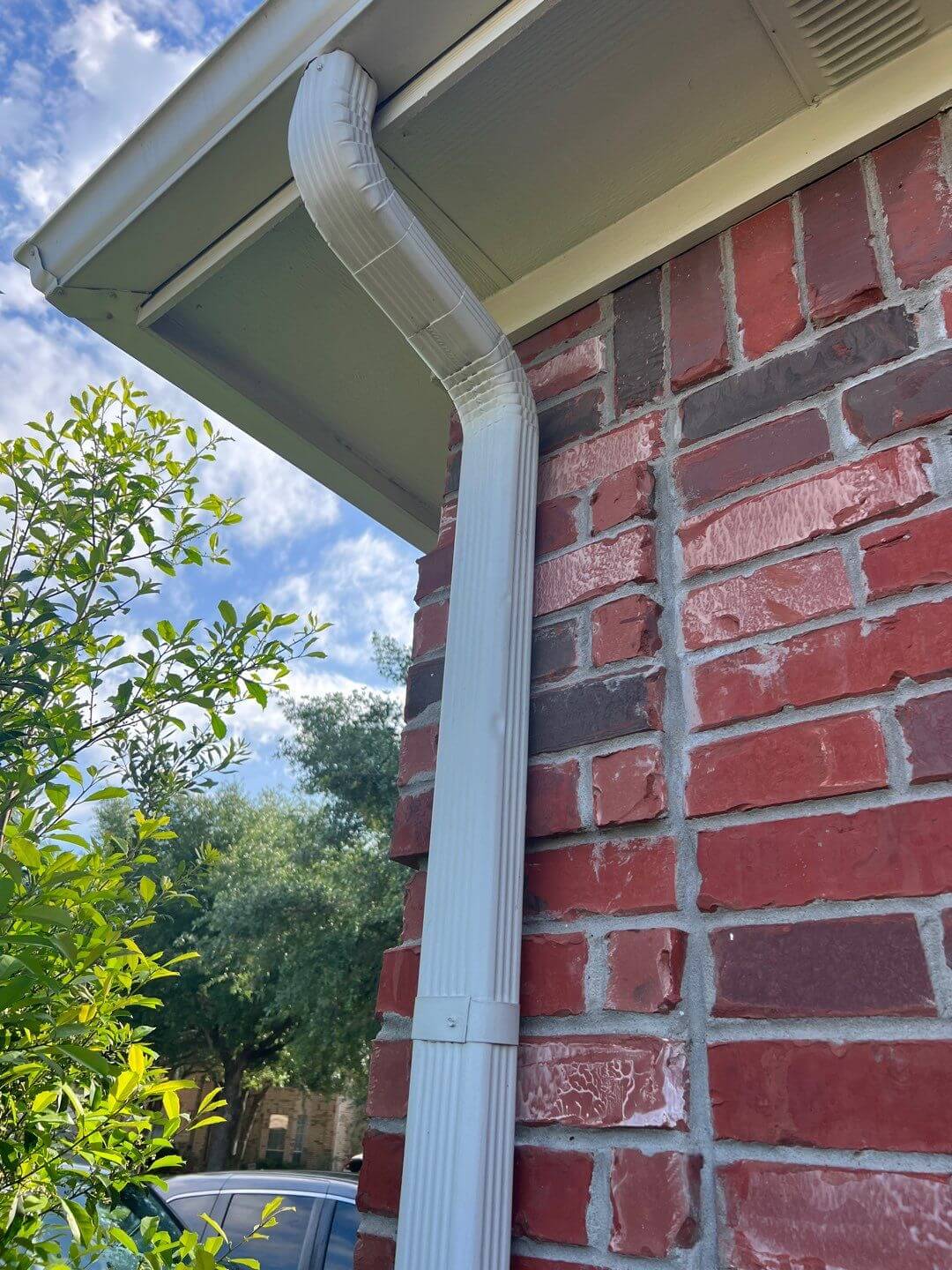
Hailstones can cause dents and damage to gutters and downspouts. Look for obvious signs of impact.
4. Outdoor Equipment and Fixtures
Air Conditioning Units: Check your outdoor HVAC unit for signs of dents or damage from hail. It will mostly damaged the condenser coils.
Fences, Decks, and Porches: Examine these outdoor structures for any signs of hail damage, such as dents, cracks, or splintered wood. It usually will take at least 2″ hail or bigger at high winds to damage these structures.

5. Vehicles and Personal Property
If your car was outdoors during the hailstorm, check it for dents, cracks in the windshield, and other signs of hail damage. Similarly, inspect any other personal property that might have been exposed to the storm.
6. Document the Damage
- Take clear photographs or videos of any hail damage you find. These images can be useful for insurance claims and repair assessments.
- Make detailed notes about the extent of the damage. This can help when communicating with insurance adjusters and contractors
7. Contact your Insurance Company
If you find significant hail damage, contact your insurance company as soon as possible to report the damage and start the claims process. Provide them with the documentation you gathered.
8. Seek Professional Assessment
Consider hiring a professional contractor or a roofing expert to conduct a thorough inspection. They can provide a more detailed assessment of the damage and offer repair or replacement recommendations.
Remember that it’s important to address hail damage promptly to prevent further deterioration and potential leaks. Always consult with professionals if you have any doubts about the extent of the damage or the necessary repairs.
Conclusion
Regular hail roof inspections are essential for maintaining the integrity of your home. By following these tips and techniques, you can identify and address hail damage promptly, preventing further issues down the line. Remember, safety should always be your top priority, so exercise caution when inspecting your roof. If in doubt, seek professional assistance to ensure the longevity of your roof and the safety of your home.

2023 Roof Inflation: Do Roofs Cost More? Will Prices Go Down?
Discover Why 2023 Roof Prices Are Here to Stay
If you’re considering a new roof, it’s essential to understand the factors driving the cost. Roofing prices have increased by 20-40%, and these prices are projected to remain steady throughout the year. Our blog breaks down the key factors contributing to these prices:
- Material Costs: The cost of roofing materials has surged, impacting overall expenses.
- Supply Chain Challenges: Material shortages have further exacerbated costs, affecting availability.
- Inflation: Economic inflation has played a role in raising roofing prices.
- Current Economy: Economic conditions continue to influence roofing costs.
Unfortunately, the trend of rising material costs shows no signs of reversal. Pre-COVID and post-COVID prices differ significantly, with the current landscape favoring higher costs.
Stay informed about the market dynamics that shape roofing prices, and make well-informed decisions about your roofing project.
Contact us today for more information about our roofing services and how we can help you navigate these pricing challenges.
Are Roofs More Expensive in 2023 Than Before?
Roofs are more expensive in 2023 than they were before. The average cost of a roof has gone up by 20%-40% since COVID.
For example back in 2022 According to the NRCA (National Roofing Contractors Association) construction material prices are 24.4% higher than a year ago.
Since Covid there have been many factors affecting todays current price in 2023. In the roofing industry once material goes up in price it is very unlikely to ever come back down as noted in the 2008-2009 recession, according to Roofing Insights.
Factors Affecting Todays Price
- Increase Material Costs
- Supply Chain/Material Shortages
- Current Economy/Inflation
Factors Affecting Roof Prices
Increase Material Cost
The primary driver behind the rising costs of new roofs is the significant surge in material expenses. In the wake of the Covid pandemic, we’ve encountered a series of notifications regarding material price hikes from our suppliers. The most recent adjustment was noted in August 2023.


As roofing contractors, we find ourselves in a situation where the escalating material costs are beyond our control. What compounds this challenge is the simultaneous price surge affecting all manufacturers. Consequently, we are compelled to absorb these heightened expenses, which inevitably leads to necessary adjustments in our pricing structure.
Supply Chain/Material Shortages
While signs of supply shortages beginning to normalize are evident, the broader situation is still a considerable distance away from achieving complete normalcy, as highlighted in this comprehensive article by Roofing Contractor. The persistence of supply chain and material shortages continues to exert notable pressure on material costs across diverse industries. However, it’s pivotal to recognize that supply chain disruptions are not the sole contributors to this intricate predicament.
An additional factor, albeit relatively minor, that significantly impacts shortages and contributes to the rise in material costs is the occurrence of natural disasters. These include hail storms, hurricanes, strong winds, and fires, all of which further complicate the availability of essential materials. These calamitous events disrupt not only material production and transportation but also magnify the demand for these resources, as affected regions embark on reconstruction and repair endeavors.
Current Economy/Inflation
In recent months, a primary concern for the US government has been the escalating inflation rate, with its repercussions extending to various sectors, including construction. As we’ve discussed the rise in material costs, it’s crucial to note that we’re also contending with elevated expenses in our day-to-day operations. This encompasses increased costs for essentials like fuel, vehicle repairs, tools, equipment, and software. Even seemingly minor factors, when combined, contribute to higher operating expenses. This is particularly impactful for small businesses, as they navigate the challenge of elevated overhead costs. While these variables might be relatively modest individually, collectively, they have contributed to the overall increase in the cost of roofing services.
Will roofing prices go down in 2023?
While we can’t predict for sure due to many factors, there are three possible scenarios.
- Roof prices might go down.
- They might stay the same.
- They could go up.
In August, we got a notice about a price increase of 5-8%. So, the cost of materials has gone up again. In our view, it’s unlikely that material prices will drop soon. The best case scenario is that prices stay the same for about a year. But based on what we’ve talked about earlier, and the fact that there’s no real pressure to make prices lower, it won’t be surprising if prices go up again before the year ends. I wouldn’t bet on prices going down by the end of 2023 and mid-2024.
Choosing The Best Roofing Shingle For Your Home
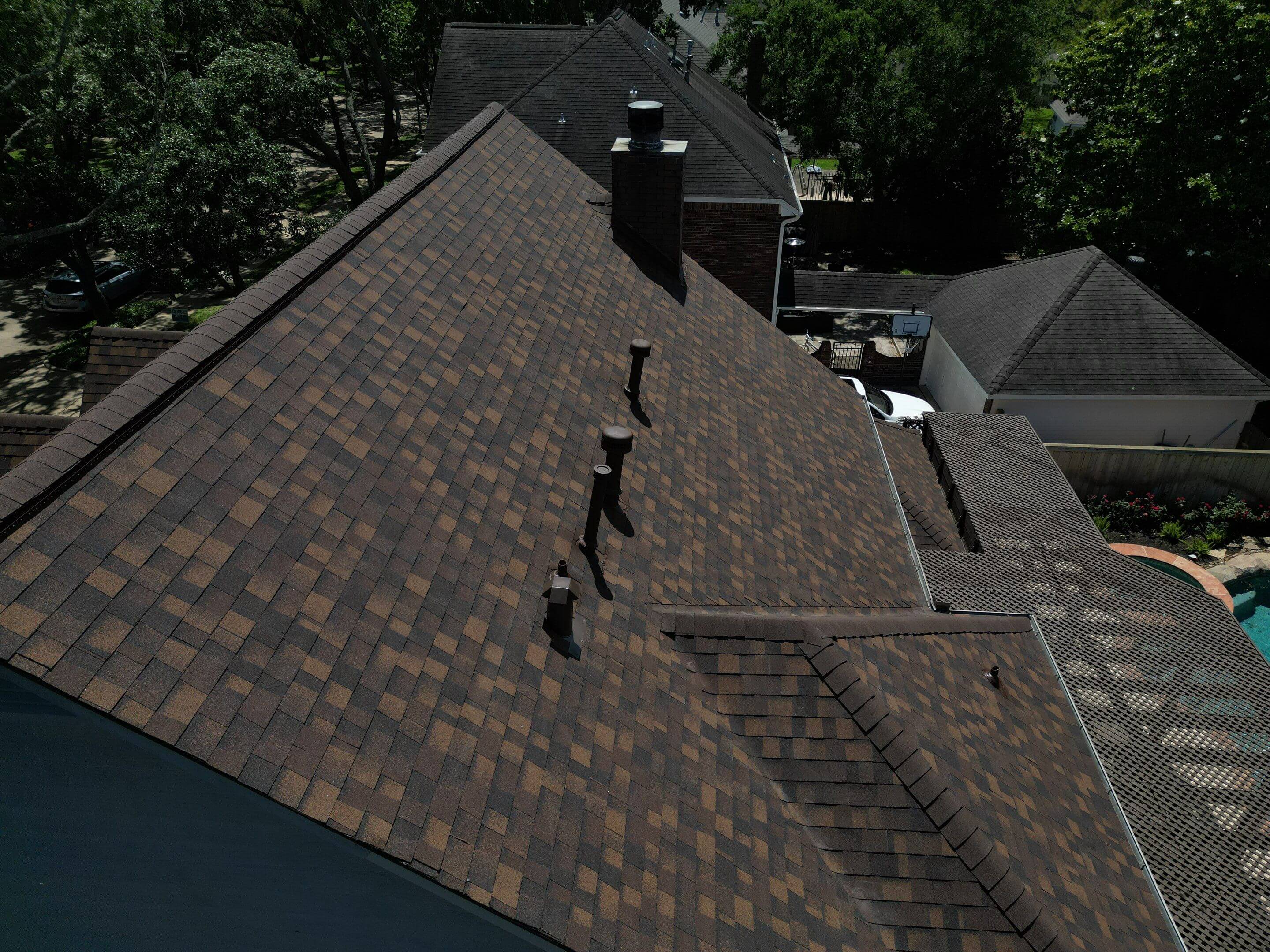
Selecting the perfect shingle for your roof is a crucial decision that goes beyond mere aesthetics. The right choice can significantly impact your home’s curb appeal, energy efficiency, and overall value. With an array of roofing materials available, ranging from classic asphalt shingles to elegant slate options and eco-friendly alternatives, making an informed decision becomes all the more essential.
We will walk you through the factors to consider when choosing the best shingle for your roof. From understanding the various types of roofing shingles to assessing your roofing needs based on climate, roof slope, and architectural style, we will help you navigate the vast world of roofing materials. Additionally, we will delve into the financial aspect, examining the initial costs versus long-term investment and the potential energy savings offered by different shingle options.
Table of Contents
Factors to Consider When Choosing the Best Shingle for Your Home
1.) Where You Live
When it comes to selecting the best shingle for your roof, one of the most critical factors to consider is your geographical location. The climate and weather conditions in your area play a significant role in determining the ideal roofing material that can withstand the elements and ensure long-lasting performance.
2.) What You Like/ Your Style
When selecting the ideal shingle for your roof, considering aesthetic factors is crucial alongside practical considerations. The color and texture of the shingles significantly impact your home’s curb appeal, so choose shades that harmonize with the exterior palette and complement architectural elements. Achieving architectural harmony with the style of your home and maintaining neighborhood cohesion enhances the overall aesthetic value. Visual impact, long-term aesthetics, and hands-on sample viewing aid in making an informed decision, ensuring the chosen shingle reflects your personal style while enhancing your home’s beauty and charm.
3.) Your Budget
When selecting the ideal shingle for your roof, staying within your budget is a crucial practical consideration.
- Begin by evaluating the upfront cost of different roofing materials, comparing their price per square foot or bundle.
- While some materials may have a higher initial cost, it’s essential to consider their long-term investment value, factoring in durability and lifespan.
- Think about ongoing maintenance and potential repair expenses associated with each shingle type to understand the overall financial implications.
- Exploring energy-efficient options may yield cost savings on cooling bills in the long run, offsetting the initial investment.
By working closely with your roofing contractor and carefully assessing your budget constraints, you can make an informed decision that strikes the right balance between affordability and quality, ensuring a well-protected and financially responsible roofing solution for your home.
Most Popular Types of Shingles
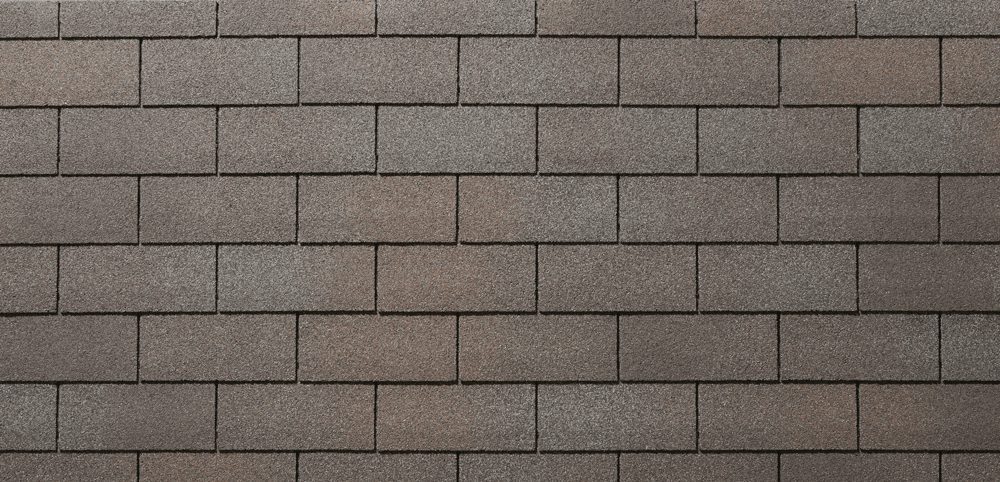
3 TAB Shingles
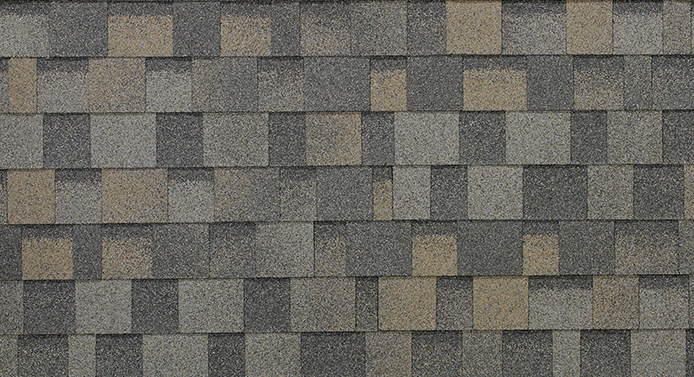
Architectural Shingles
- Average lifespan: 15 to 25 years
- Factors influencing lifespan: Quality of shingles, climate conditions, and regular maintenance.
- Average lifespan: 25 to 35 years
- Factors influencing lifespan: Quality of shingles, climate conditions, and regular maintenance
Architectural shingles and 3-tab shingles are two popular types of roofing materials commonly used in residential construction. While both serve the primary purpose of protecting the roof and home, they differ in several key aspects.
Appearance
- Architectural Shingles: These shingles have a three-dimensional, layered appearance, often replicating the look of natural materials like wood or slate. They provide a more premium and textured look to the roof, enhancing the overall aesthetics of the home.
- 3-Tab Shingles: These shingles have a flatter, more uniform appearance with a single layer and a consistent rectangular shape. They offer a simpler and more traditional look, making them a popular choice for budget-conscious homeowners.
Durability and Lifespan:
Architectural Shingles: Typically, architectural shingles have a higher level of durability due to their multi-layered construction. They are thicker and heavier, providing better resistance to wind, impact, and other weather-related elements. Architectural shingles generally have a longer lifespan, often lasting 25 to 35 years or more, depending on the brand and environmental factors.
3-Tab Shingles: While 3-tab shingles are durable and can withstand various weather conditions, they are generally thinner and lighter than architectural shingles. As a result, they may have a shorter lifespan, typically ranging from 15 to 25 years.
Cost
-
Architectural Shingles: The higher quality and enhanced aesthetics of architectural shingles result in a higher upfront cost compared to 3-tab shingles. However, the long-term value and extended lifespan make them a cost-effective investment over time.
-
3-Tab Shingles: 3-tab shingles are more budget-friendly and have a lower initial cost, making them a popular choice for homeowners seeking an economical roofing option.
Wind Resistance
- Architectural Shingles: Due to their heavier weight and layered design, architectural shingles offer better wind resistance than 3-tab shingles. They are less likely to lift or become dislodged during severe storms and high winds.
- 3-Tab Shingles: While 3-tab shingles can withstand moderate wind speeds, they may be more susceptible to damage and lifting in extreme weather conditions.
Best Shingle Brands
Several reputable brands offer a wide range of architectural shingles that are well-suited for the Spring, Texas climate.
These brands include:
CertainTeed: CertainTeed offers a diverse selection of architectural shingles, known for their durability, weather resistance, and aesthetic appeal. Their Landmark and Landmark Pro lines are popular choices among homeowners.

GAF: GAF manufactures high-quality architectural shingles, such as Timberline HD and Timberline Ultra HD, which are engineered to withstand the Texas climate. They offer a variety of colors and styles to suit different architectural preferences.

Owens Corning: Owens Corning is a trusted name in the roofing industry, offering architectural shingles like Duration and Oakridge that provide excellent protection against the elements. These shingles are known for their durability and energy efficiency features.

Some of our Homeowner's Favorites
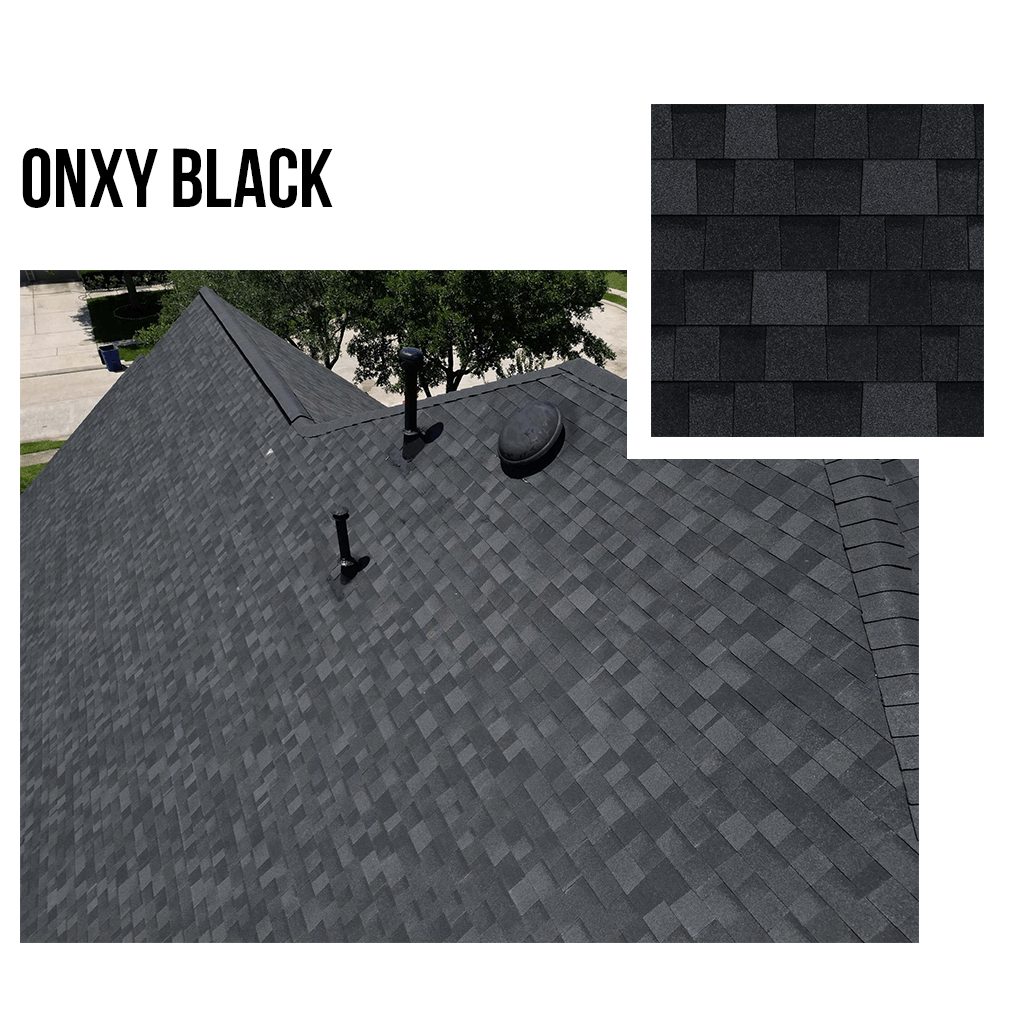
(Owens Corning TruDefinition Duration)



How Much Does A Roof Repair Cost? Houston TX
How much does a roof repair cost in Houston? We understand repairing your roof can be a difficult issue for any homeowner. Your roof is also one of the most visible portions of your house, as well as one the most important components in keeping your home safe from the environment.
In the realm of home maintenance, few things are as crucial as a well-maintained roof. Whether it’s sudden leaks, missing shingles, or storm damage, understanding the cost of roof repairs is paramount for every homeowner. In this guide, we’ll dive deep into the factors influencing roof repair costs, offer tips to save money, and help you make informed decisions. Let’s explore the world of roof repairs together.
- How much does it cost to repair your roof?
- What factors affect price?
- What are common roofing issues and their costs?
How Much Does a Roof repair Cost?
Roof repair costs can vary widely based on several factors, including the type of roofing material, the extent of damage, and the complexity of repairs. On average, homeowners can expect to pay anywhere from $200 to $1,500 for minor roof repairs. For more extensive damage, such as severe leaks or structural issues, costs can escalate to $3,000 or more.
Factors Influencing Costs
Exploring the factors behind roof repair costs is vital for homeowners. From materials to damage extent, these elements shape expenses. Our guide dives into these factors, empowering informed roofing choices.
How does a roofing company price a roof repair? Here are the 3 factors that will affect the price of your roof repair estimate:
1. Roofing Material
2. Extent of Damage
Small leaks or missing shingles might require minimal repairs, while widespread damage demands more comprehensive work. Consider the following instances:
- Structural Damage to Rafters or Plywood
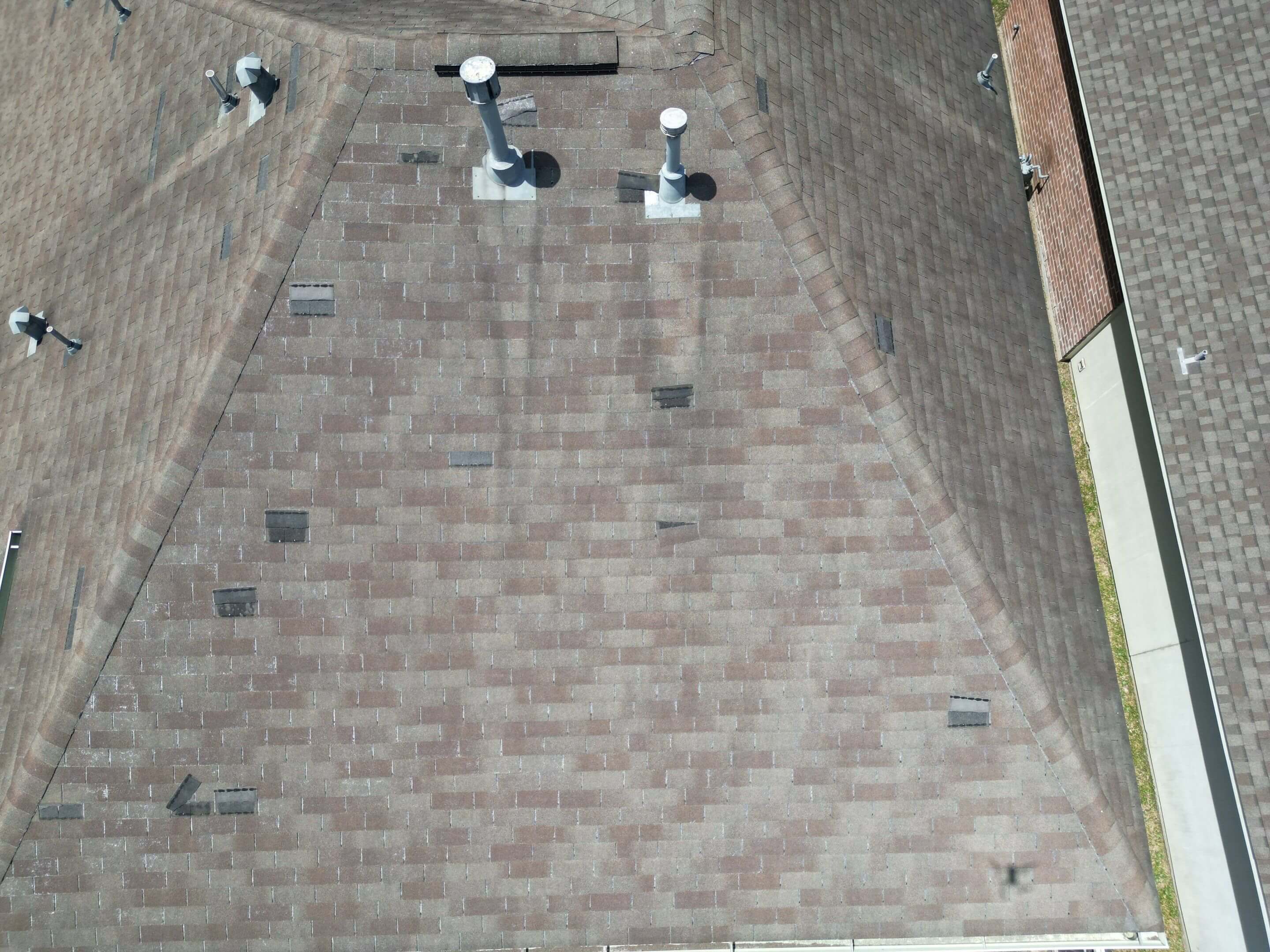
- Multiple Missing Shingles Throughout Building
- Multiple Damaged Plumbing Boots and or Vents
3. Labor and complexity
Roof repairs can become more costly due to complex factors and labor-intensive tasks. Consider the following instances:
- Steep-Pitched Roofs
- Buildings with 2 or 3 Stories
- Leaks near Valleys, Chimneys, Skylights, and more.
These scenarios often entail additional expenses due to their intricacy.
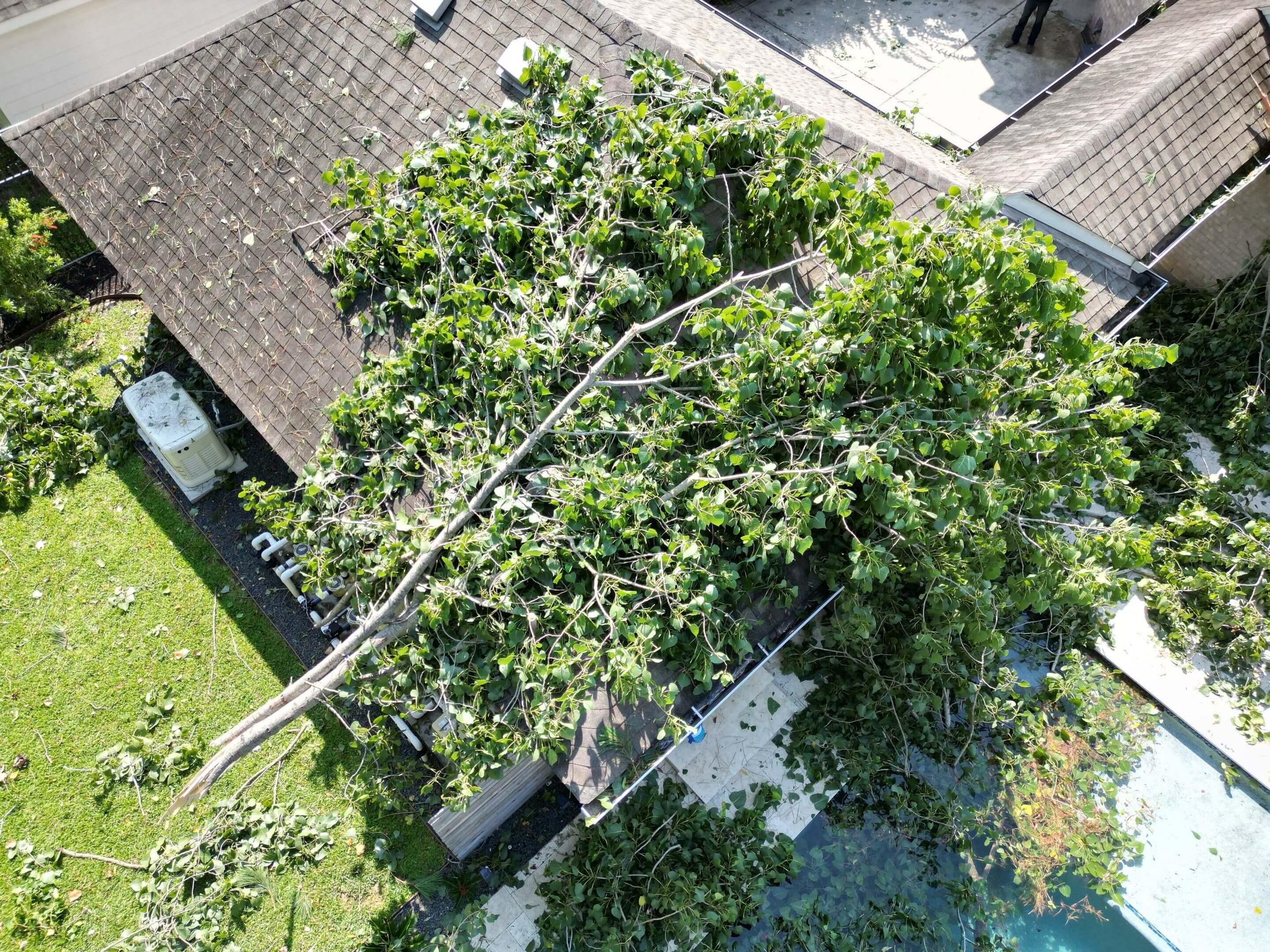
Common roofing issues and their costs
Understanding common roofing problems can give you a clearer picture of potential repair costs:
Roof Leak
A minor leak repair could cost between $200 and $600, but extensive water damage might lead to repairs exceeding $1,000.
Factors that can effect cost:
- Material Needed (Plumbing Boots, Vents, Ice & Water, Ridge Vent, Shingles, Etc.)
- Location of Leak
- Pitch Of Roof
- Height of Roof

Missing Shingles
Replacing a few missing shingles may cost around $250 to $500, but if left unaddressed, it can contribute to more substantial issues.
Factors that can effect cost:
- Missing Shingles In Multiple Areas
- Location of Missing Shingles
- Pitch Of Roof
- Height of Roof
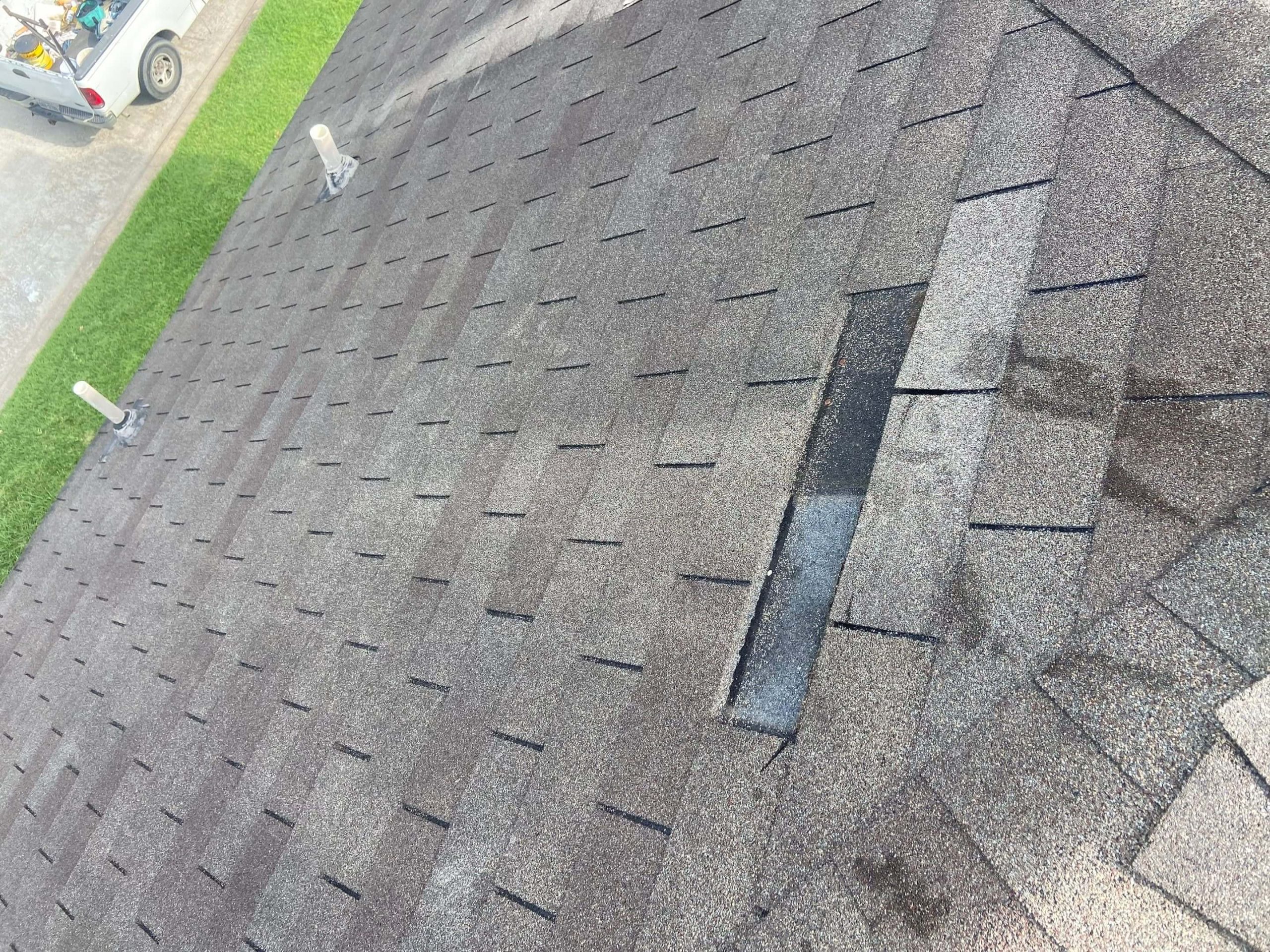
Repairing or Replacing Plumbing Boots and Vents
Repairing or replacing damaged plumbing boots or vents, might range from $200 to $500.
Factors that can effect cost:
- Amount of Plumbing Boots or Vents
- Location of Plumbing Boots or Vents
- If Needing To Replace Shingles Around
- Pitch of Roof
- Height of Roof

DIY vs Professional Repairs
While DIY repairs can be cost-effective, they might not always provide a lasting solution. Incorrect repairs can lead to more expenses down the line. Hiring a professional roofing contractor ensures expert assessment, quality repairs, and warranties on the work performed.
Here some examples of incorrect repairs:
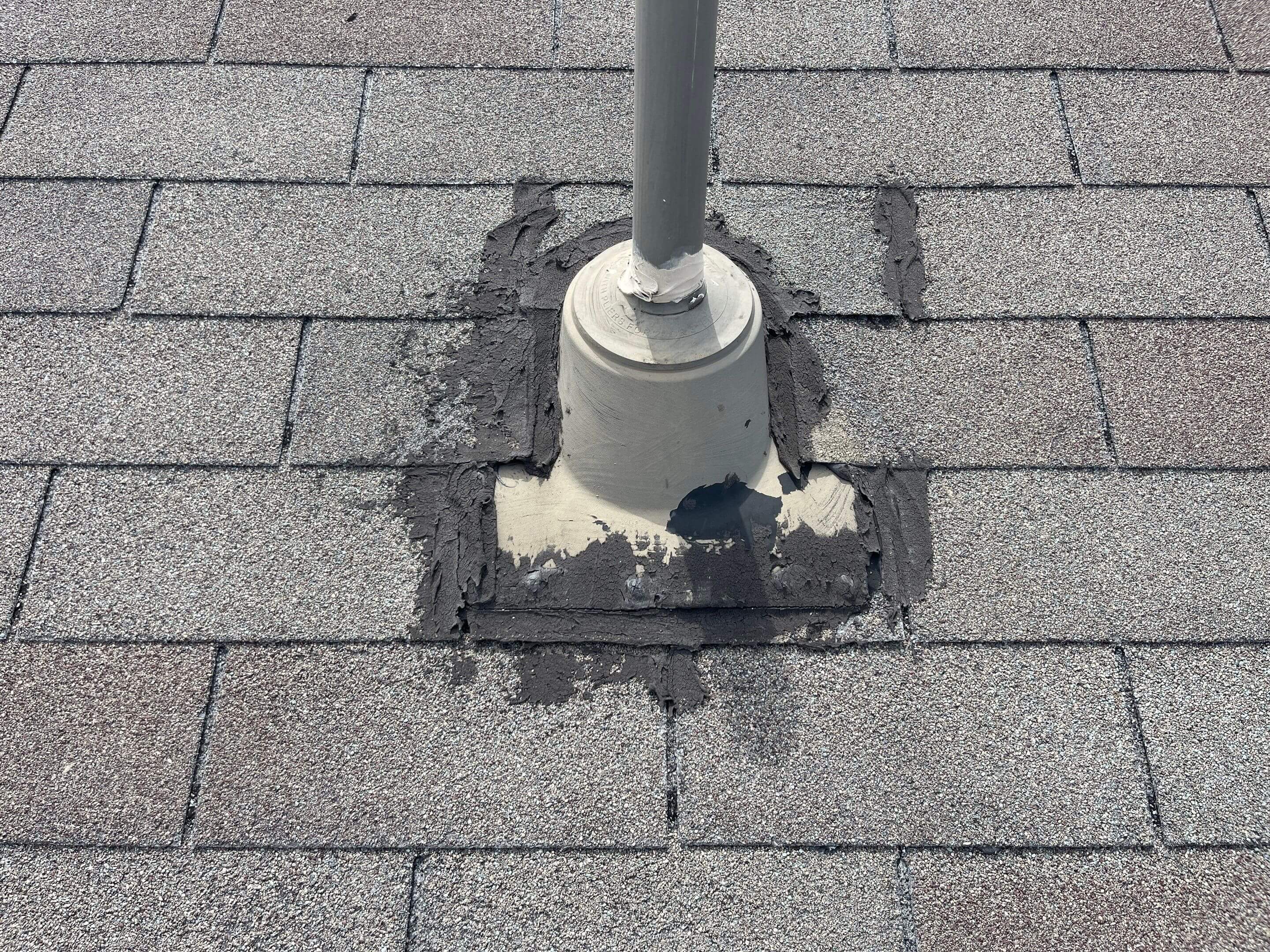


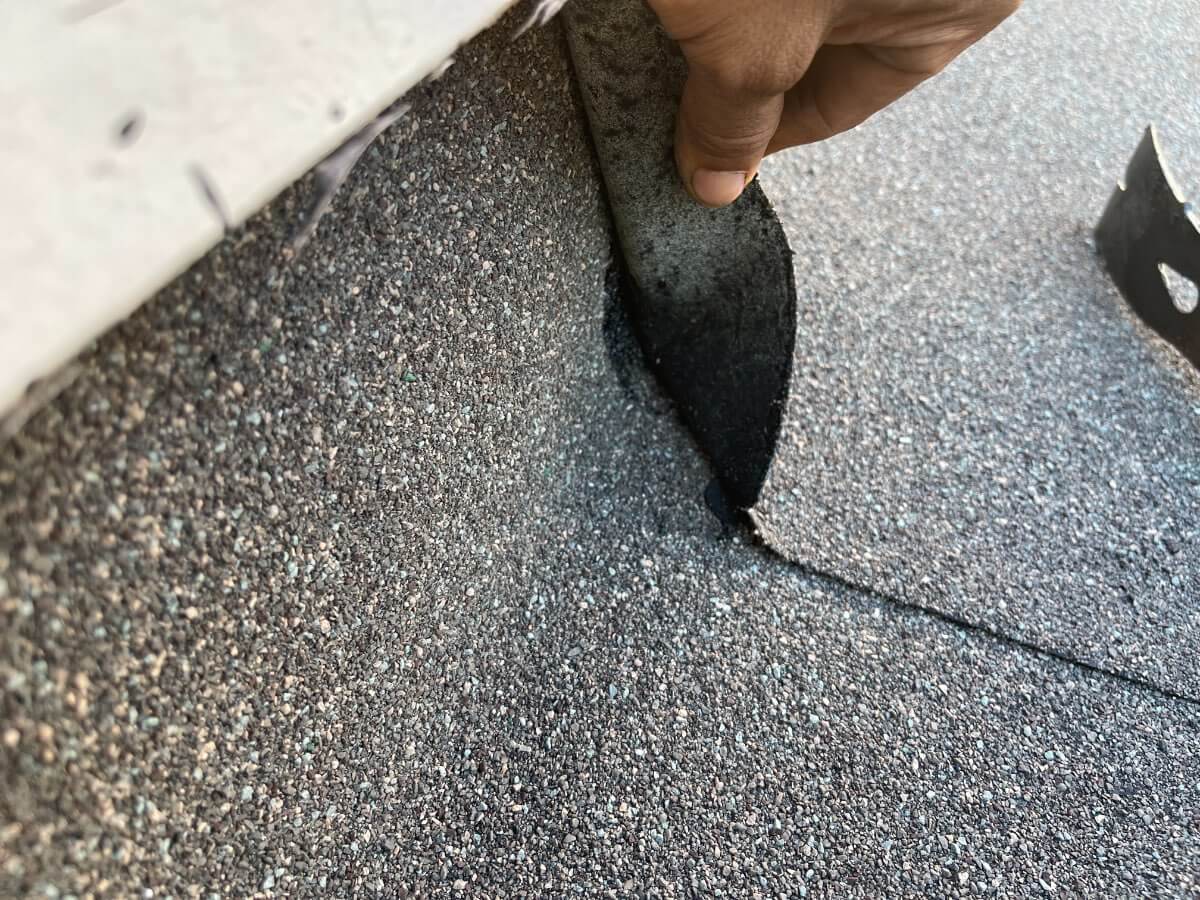
Cost-Effective Tips for Roof Repairs
- Regular Inspections: Periodically inspect your roof for signs of damage to catch issues early.
- Timely Repairs: Address minor issues promptly to prevent them from escalating into costly repairs.
- Multiple Estimates: Obtain quotes from multiple reputable contractors to ensure fair pricing and quality work.
Linked is a blog post for “How To Extend The Lifespan Of Your Roof”
Roof Repair vs. Replacement
In some cases, the extent of damage might warrant a complete roof replacement. While it’s a larger investment, a new roof can enhance your home’s value, improve energy efficiency, and offer long-term peace of mind.
Linked is a blog post for “Roof Repair vs Replacement: Which Option Is Right For You”
Conclusion: Making Informed Choices for Roof Repairs
Navigating the cost of roof repairs requires a combination of knowledge and proactive steps. By understanding the factors influencing costs, recognizing common issues, and considering long-term benefits, homeowners can make informed decisions that safeguard their investment and maintain the integrity of their homes.
If you’re facing roofing issues or have questions about repair costs, our team of experts is here to assist you. Contact us today for a consultation, and let’s ensure your roof remains a sturdy shield over your home.
Remember, a well-maintained roof is not just an expense—it’s an investment in the safety, comfort, and value of your home. Stay informed and prioritize your roof’s health for years to come.

From Shingle to Shine: Unveiling the Incredible Benefits of a New Roof for Your Home
Increases Property Value
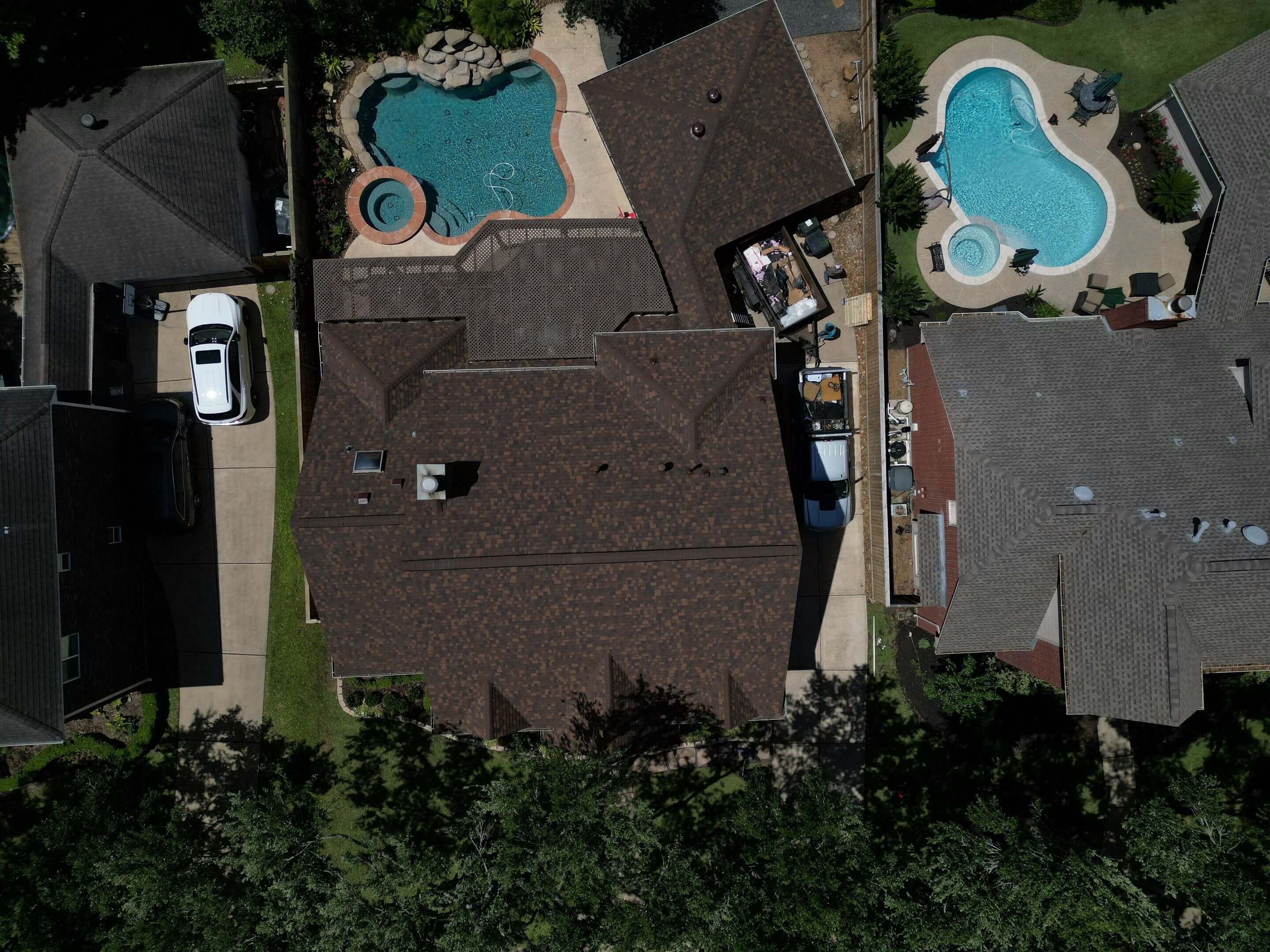
When it comes to home improvement projects, few investments have the potential to yield as significant returns as a new roof. The impact of a new roof on property value is profound and can enhance both the aesthetics and marketability of your home.
According to Zillow, a new asphalt shingle roof replacement will return around 68% in real estate transaction
A NEW ROOF WILL..
- Enhance Curb Appeal: A new roof instantly elevates your home’s exterior appearance, attracting more potential buyers and increasing interest in your property.
- Increase Home Appraisal: A new, well-maintained roof can significantly boost your home’s appraisal value.
- Add a Competitive Advantage in the Real Estate Market: A new roof sets your home apart from other properties, offering a competitive edge and potentially leading to faster home sales.
- Add a Long-Term Return on Investment: A new roof offers long-term returns, increasing the property’s value and providing a favorable return on investment if you decide to sell.
- Allow Buyer Confidence: A new roof instills buyer confidence, as it implies fewer potential maintenance issues and ensures better protection for their investment.
- Provide a Negotiating Power: A new roof provides stronger negotiating power during the home selling process, with buyers potentially willing to pay a higher price for a home with a new roof.

Prevents Costly Repairs and Water Damage
Investing in a new roof offers homeowners a multitude of benefits beyond just improving curb appeal and increasing property value. A new roof serves as a proactive measure to prevent costly repairs and water damage down the line, addressing existing issues and providing comprehensive leak prevention. By safeguarding your home, a new roof protects valuables and belongings, extends the lifespan of other home components, and avoids the need for emergency repairs. Moreover, it ensures insurance coverage remains valid and offers peace of mind, knowing your home is well protected from potential roofing issues. Taking this proactive step not only secures your finances but also guarantees the safety and longevity of your home, making a new roof a valuable and detailed investment.
Click here to read about the top 5 signs that you need a new roof!
Resilience to Extreme Weather Events
We understand that the crazy Texas weather can be unpredictable so when it comes to protecting your home from the unpredictable forces of nature, a new roof can offer invaluable resilience to extreme weather events. As climate patterns become increasingly unpredictable, it’s crucial to ensure that your home is equipped to withstand severe storms, hurricanes, and other adverse weather conditions.
Here's How a Roof can fortify your home against extreme weather
Wind Resistance: A new roof is securely fastened and resistant to high winds, reducing the risk of damage during storms.
Impact Resistance: Premium roofing materials, like impact-resistant shingles, minimize damage from hail and debris during extreme weather events.
Water Shedding: A well-installed roof effectively sheds water, preventing leaks and water damage during heavy rainfall or snowfall.
Prevention of Water Infiltration: A new roof with proper sealing and flashing reduces the risk of water penetration and interior damage.

Safer for Roof Cleaning
With a new roof, the stability and structural integrity are greatly improved, providing a solid and secure surface for roof cleaners to work on without the risk of damage or injury. a new roof ensures the secure attachment of shingles and roofing materials, reducing the chances of dislodgment during the cleaning process. Properly sealed flashing and joints in a new roof help minimize the risk of water intrusion during cleaning, preventing slippery surfaces and ensuring a safer environment for roof cleaners.One of the significant advantages of a new roof is the lower risk of hidden structural damage. Older roofs may hide structural issues beneath their surfaces, making them more susceptible to unexpected collapses during cleaning.
Pro tip: Maintaining a healthy roof starts with regular inspections and maintenance. Schedule professional roof inspections at least once a year, to catch potential issues early on.
The Top 5 Signs it’s Time For a New Roof
We understand that a roof is a lifelong investment for a homeowner. Keeping a watchful eye on your roof’s condition is crucial to safeguarding your property and your loved ones. Over time, roofs endure the brunt of harsh weather, wear, and age-related deterioration, which can compromise their effectiveness in shielding your home. Identifying these warning signs early on can save you from potential water damage, structural issues, and costly repairs.
In this blog, we will walk you through the key indicators that it’s time to consider a roof replacement, arming you with the knowledge needed to make a proactive and informed decision about your home’s roofing needs. Let’s dive into the world of roofing as we look at the key factors for a new roof that you as a homeowner should be on the lookout for.
1.) Roof is Old of Age
One of the most crucial factors in determining whether it’s time for a roof replacement is the roof’s age. Like any other structural component of a home, roofs have a limited lifespan. While the exact lifespan varies depending on the type of roofing material used and the local climate, most roofs are designed to last for a specific number of years.
If your roof is more than 20 years old, that may be a sign that it’s time for a new roof!
If a roof is reaching the end of its lifespan or showing signs of significant wear and tear, it’s essential for homeowners to consider roof replacement options


Lifespan of Roofing Material
Architectural Shingles
- Architectural Shingles have an average lifespan of about 20 to 30 years
Factors influencing lifespan: Quality of shingles, climate conditions, and regular maintenance
3 Tab Shingles
- 3-Tab shingles have an average lifespan of about 15 to 20 years
Factors influencing lifespan: Quality of shingles, climate conditions, and regular maintenance.
Metal Roofs
- Metal roofs have an average lifespan of about 50 to 70 years
Factors influencing lifespan: Material quality, proper installation, and routine maintenance.
Clay or Concrete Tiles
- Clay or concrete tiles have an average lifespan of about 50 to 100 years
Factors influencing lifespan: Material quality, proper installation, and routine maintenance.
2.) Roof Has Dark Streaks
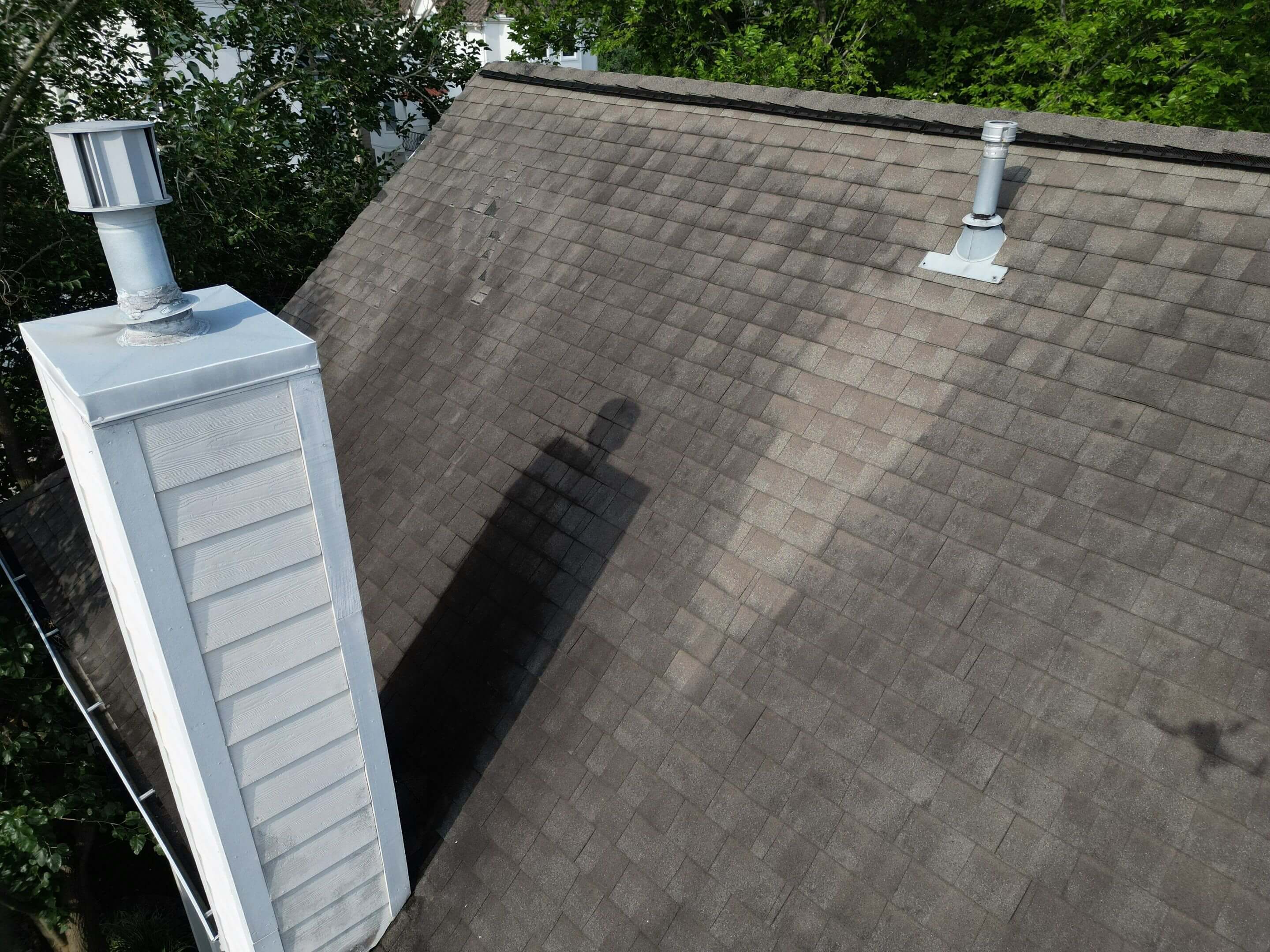
The appearance of dark streaks or stains on your roof can be more than just an aesthetic concern; it may indicate underlying issues that require attention. These unsightly marks are often caused by algae, moss, or lichen growth on the roof’s surface. While dark streaks might seem harmless at first glance, they can potentially lead to significant damage if left unaddressed. Here’s what you need to know about dark streaks on the roof as a sign that your roof may need attention:

3.) Roof Has Damaged Shingles
One of the most visible and common signs that it’s time for a roof replacement is the presence of damaged shingles. Shingles are the outermost layer of your roof and serve as a protective barrier against the elements. Over time, they can become vulnerable to wear and tear, especially if exposed to severe weather conditions.
Here are some indicators of damaged shingles:
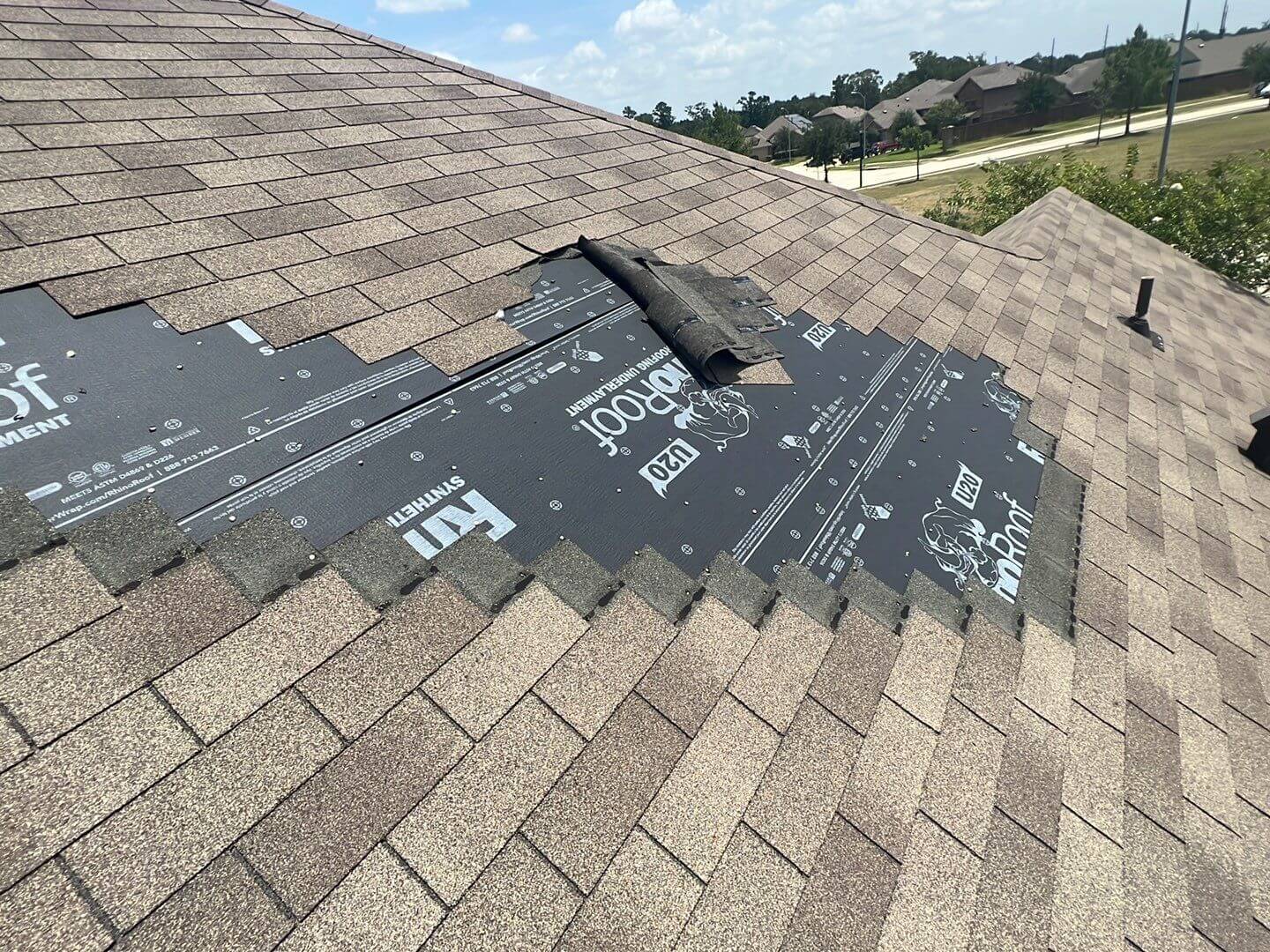
Missing Shingles
Missing shingles create gaps in your roof’s protective layer, exposing the underlying materials to potential water infiltration
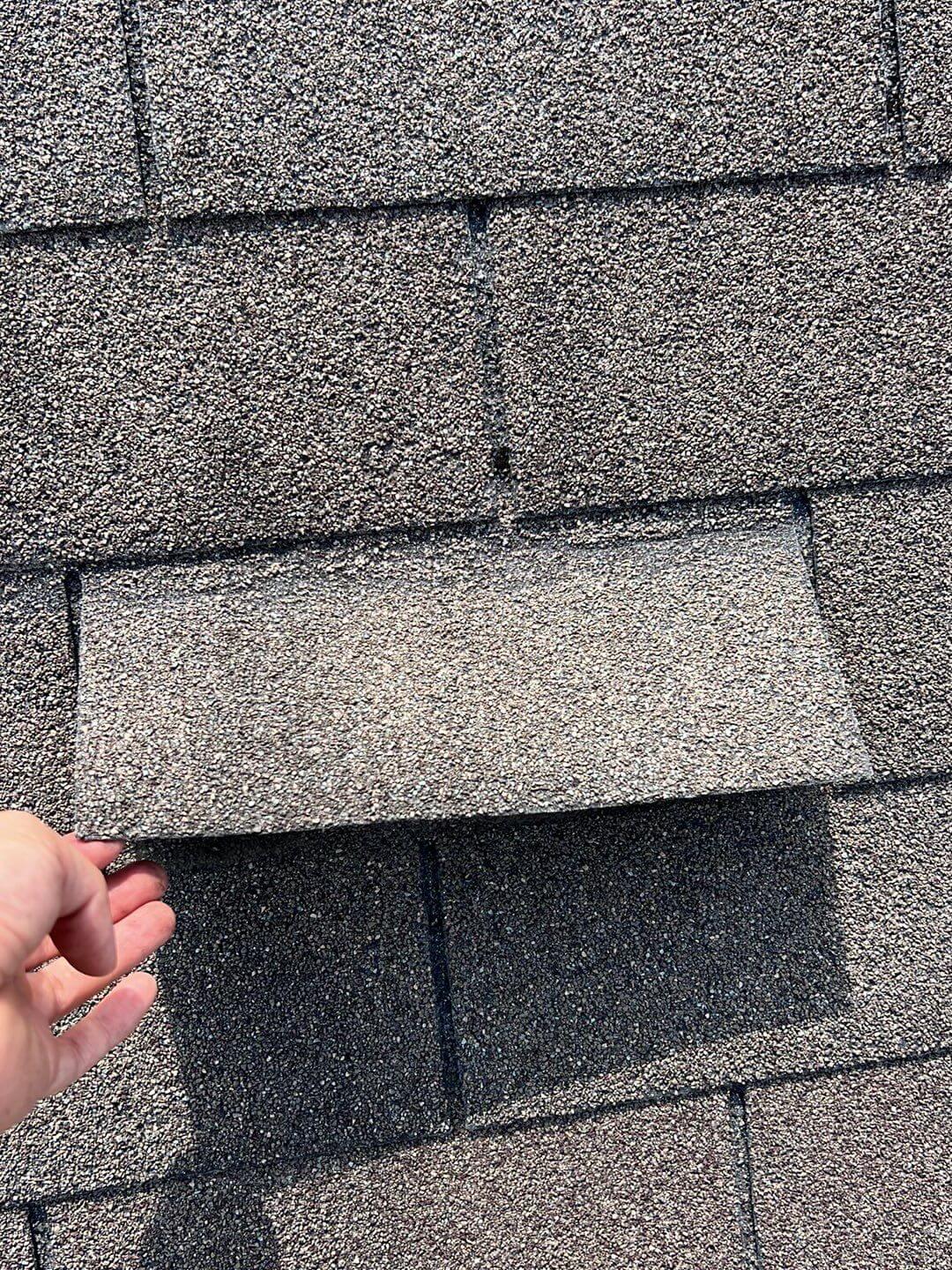
Lifted Shingles
Instead of lying flat and adhered securely to the roof, lifted shingles have one or more edges raised or curled upwards, creating gaps or exposing the underlying roof structure.

Cracked Shingles
Cracked Shingles: When shingles crack, they lose their ability to effectively repel water, leaving your roof vulnerable to leaks and water damage.

4.) Your Neighbors Are Getting A New Roof
If you notice your neighbor is getting their roof replaced, it could be a significant sign that your own roof might be due for an inspection or potential replacement.
Here’s why your neighbor’s roofing project might be an essential indicator of your own roof’s health:
- Similar Weather Exposure: Since you and your neighbor’s homes are in close proximity, you likely experience similar weather conditions. Whether it’s harsh storms, extreme temperatures, or other environmental factors, these elements can affect the condition of both roofs in a similar manner.
- Neighborhood Age: If you and your neighbors’ homes were built around the same time, it’s possible that your roofs are also nearing a similar age, and therefore, experiencing similar wear and tear.
Pro tip: Engaging in conversations with your neighbors about their roofing experiences can lead to valuable recommendations for reliable roofing contractors.
5.) Frequent Roof Leaks
Frequent roof leaks are one of the most evident and concerning signs that your roof may be in dire need of replacement. A leaking roof is not only a nuisance but also poses significant risks to your home’s structural integrity and the safety of your belongings. If you find yourself dealing with recurring roof leaks, it’s crucial to take immediate action to address the issue.
The Impact of Frequent Roof Leaks:
- Interior Damage: Water seeping through the roof can damage ceilings, walls, and insulation, leading to unsightly stains, mold growth, and compromised indoor air quality.
- Structural Issues: Prolonged exposure to water can weaken the roof’s supporting structure, potentially leading to sagging or even structural failure.
- Electrical Hazards: Roof leaks that reach electrical components or wiring can pose serious safety hazards, including the risk of electrical fires.

How to Extend the Lifespan of a Roof
Your roof is one of the most vital components of your home, providing protection and shelter from the elements year-round. However, it’s also constantly exposed to various weather conditions, wear and tear, and the passage of time. That’s why extending the lifespan of your roof should be a top priority for any homeowner. Not only does a well-maintained roof ensure the safety and comfort of your family, but it also saves you from costly repairs or premature replacement.
In this blog, we will explore essential tips and maintenance guidelines that will help you maximize the longevity of your roof. By following these practices, you can ensure that your roof remains strong, durable, and reliable for many years to come.
Keep Regular Maintenance
Maintenance is key to preserving the lifespan of your roof and protecting your home from potential damage. By following these essential maintenance practices, you can keep your roof in optimal condition for years to come.
Clean Gutters & Downspouts
- Clean all gutters and downspouts: Clogged gutters can lead to water backup, causing leaks and damage to the roof and building structure. Regularly inspect and clean the gutters to remove leaves, debris, and any obstructions.

Trim Trees & Vegetation
- Trim Trees and Vegetation: Overhanging branches and vegetation can pose a threat to your roof. Trim back any tree branches that come into contact with the roof or are in close proximity. During storms or high winds, these branches can scrape or damage the roofing materials.

Regular Roof Inspections
- Regular Roof Inspections: Conducting regular roof inspections is crucial to catch any issues early on. Pay attention to leaks, water stains on ceilings, or any signs of moisture inside your home, as they can indicate roof problems that require immediate attention.

Address Roof Leaks Immediately
Addressing roof leaks immediately is crucial to prevent further damage and costly repairs. When a roof leak is left unattended, it can lead to water seeping into the underlying structure, causing rot, mold growth, and compromising the integrity of the roof. The water can also damage insulation, ceilings, walls, and electrical systems, resulting in extensive repairs and potential health hazards. By promptly addressing roof leaks, you can minimize the damage and mitigate the risk of more significant issues arising.
Regular roof inspections, coupled with a vigilant eye for any signs of leaks such as water stains on the ceiling or missing shingles, are essential to catch problems early. As soon as a leak is detected, it is advisable to seek the expertise of a professional roofer to identify the source and apply the necessary repairs before the problem worsens.
Repair Minor Issues
Addressing minor issues promptly is a critical aspect of roof maintenance and plays a significant role in extending its lifespan. Even seemingly small problems can lead to more significant damage and costly repairs if neglected.
- Repairing minor issues is essential to prevent water infiltration, avoid the escalation of damage, extend the roof’s lifespan, and protect the value of your home.
- Whether it’s missing or lifted shingles, damaged flashing, or small leaks, addressing these problems promptly prevents them from worsening and compromising larger sections of your roof.
By investing in the timely repair of minor issues, you ensure the integrity of your roof, avoid costly repairs or replacements, and maintain the value of your home in the long run.

Missing Shingles
Lifted Shingles

Small Leak
Professional Roof Inspections
Hire a reputable roofing company for a roof inspection. They will not only address the leak & write you a detailed estimate, but also inspect the entire roof with a focus on your plumbing boots/vents, most vulnerable areas.
In most cases we recommend a roof tune-up around the 10 Year Mark.
Roof Tune-Up
A roof tune-up, also known as a roof inspection or roof maintenance, is a service performed by roofing professionals to assess the condition of a roof and address any minor issues before they escalate into major problems. It is a proactive approach to roof care that helps extend the life of the roof and ensures it remains in good condition.
During a roof tune-up, a qualified roofer will typically perform the following tasks:
Visual Inspection: The roofer will examine the roof surface, checking for signs of damage, wear, or any issues that need attention.
Repairing Minor Damage: If the roofer identifies any loose or damaged shingles, they will fix or replace them to prevent water infiltration and further damage.
Clearing Debris: Any leaves, branches, or debris on the roof will be removed to prevent water backup and damage to the roofing material.
Checking Flashing: Roofers will inspect the flashing around chimneys, vents, and other roof penetrations to ensure they are properly sealed and not causing leaks.
Gutter Inspection: Roofers will check the gutters and downspouts for clogs or damage, ensuring proper water drainage from the roof.
Verifying Roof Ventilation: Proper roof ventilation is crucial for regulating temperature and preventing moisture buildup. Roofers will check the ventilation system for any issues.
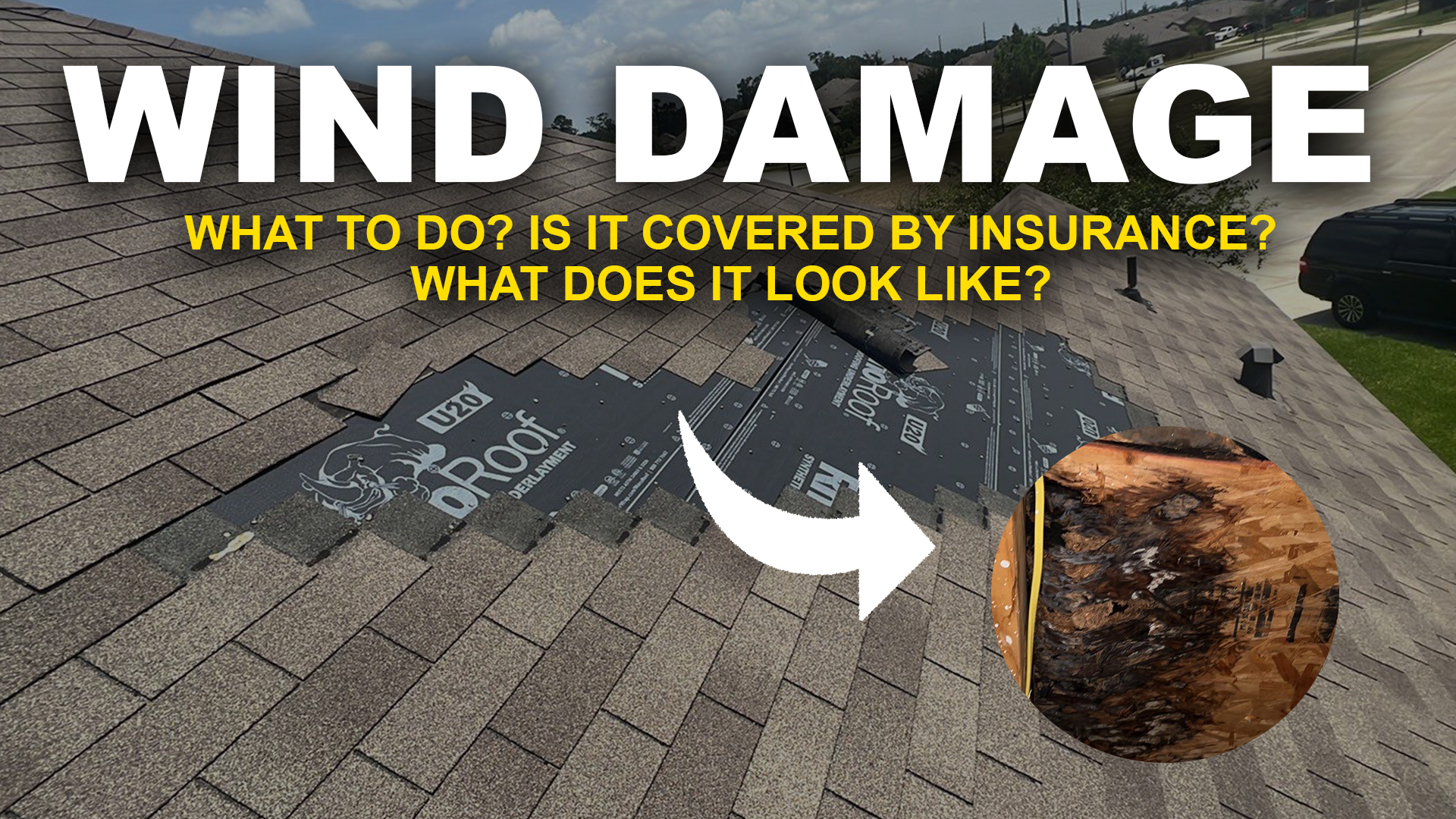
What Does Wind Damage To A Roof Look Like?
Understanding the impact of wind damage on roofs is crucial for homeowners and property managers alike. Whether you live in an area prone to severe weather or are simply concerned about the longevity of your roof, recognizing the signs and symptoms of wind damage is essential. In this blog post, we will delve into what wind damage to a roof looks like, exploring exterior and interior damage indicators.
Call a Roofing Company For An Inspection First
It is important to hire a roofing company to come out to your property if you have had a storm recently in your area causing you to believe you have wind damage.
- By engaging a roofing company you can ensure that any wind-related damage is addressed promptly and effectively.


Disclaimer: We strongly discourage homeowners and individuals without proper training from attempting to walk on their roofs or conduct repairs themselves as it can be dangerous. Always consult with a qualified roofer to professionally assess and address any issues related to your roof.
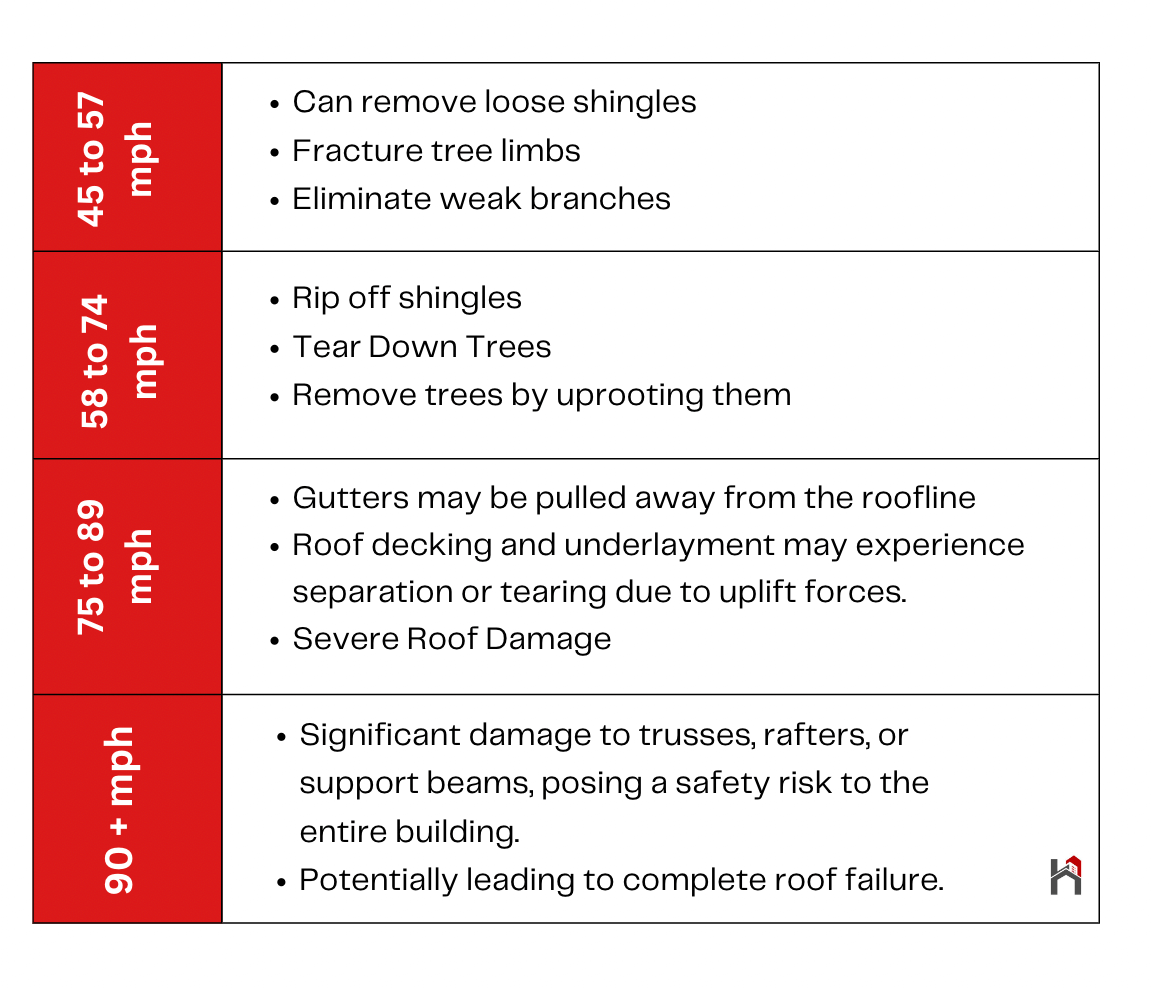
What Does Wind Damage Look Like To a Roof

All signs point towards wind damage on your roof
What do I do if I Have Wind Damage?
If after you have called a roofing company to come to check out your roof and they have declared that you have wind damage you ultimately have two options:
- If you have minor damage such as one or two missing shingles that need to be repaired we would recommend going ahead with the roofing company to repair the issues as soon as possible
- However, If you have major wind damage in a majority of your roof call your insurance company to file an Insurance Claim.
How to Repair a Wind-Damaged Roof
Don’t worry if your roof gets damaged by wind – it’s definitely repairable! The necessary repairs will vary based on the extent of the damage.
- In some cases, a minor repair may be all that’s needed to restore your roof’s integrity. This could involve replacing a few shingles or fixing damaged flashing.
- More severe damage may require a comprehensive approach, such as a full roof replacement. The specific repairs required will be determined during a professional inspection, where experts will assess the extent of the damage and provide recommendations for the most appropriate course of action.
Whether it’s a small repair or a complete replacement, qualified roofing professionals have the skills and expertise to restore your roof.
Is Wind Damage Covered By Insurance?
Yes if there is significant damage however Insurance coverage for wind damage varies based on your specific policy.
- Review your homeowner’s insurance policy to understand if wind damage is covered and the extent of that coverage.
- Look for specific perils mentioned, such as storms or hurricanes, and check for any deductibles or exclusions related to wind damage.
- Contact your insurance provider for clarification and guidance on the claims process if you experience wind damage.

How Much Damage Can Wind Do?