What to Do After a Hailstorm in Houston Texas
Hailstorms can cause significant damage to our homes, particularly to roofs, windows, and siding. In this blog post, we’ll provide you with essential steps to take after a hailstorm, including assessing the damage and contacting your insurance company, to help you navigate the recovery process smoothly and restore your home’s condition.
Table of Contents
Assess the Damage
Once the hailstorm has passed, it’s important to assess the damage to your home.
As a homeowner start by:
- Visually inspect the exterior of your property, paying close attention to the roof, windows, and siding.
- Look for signs of dents, cracks, or holes caused by hailstones.
- Check the condition of your windows for any shattered or broken glass.
- Examine the siding for any visible damage, such as cracks or punctures.
- Inspect the surrounding area for fallen branches or debris that may have caused additional damage.
It’s a good idea to document the damage with photographs or videos, as this can serve as valuable evidence when filing an insurance claim.
Request a Roof Inspection
It is important to get a roofing company out to your roof to assess the damage as soon as possible. A roofing company is more equipped to answer any questions or concerns you may have regarding the extent of the hail damage.
A roofing company will complete a storm damage roof inspection. This will include looking at the following:
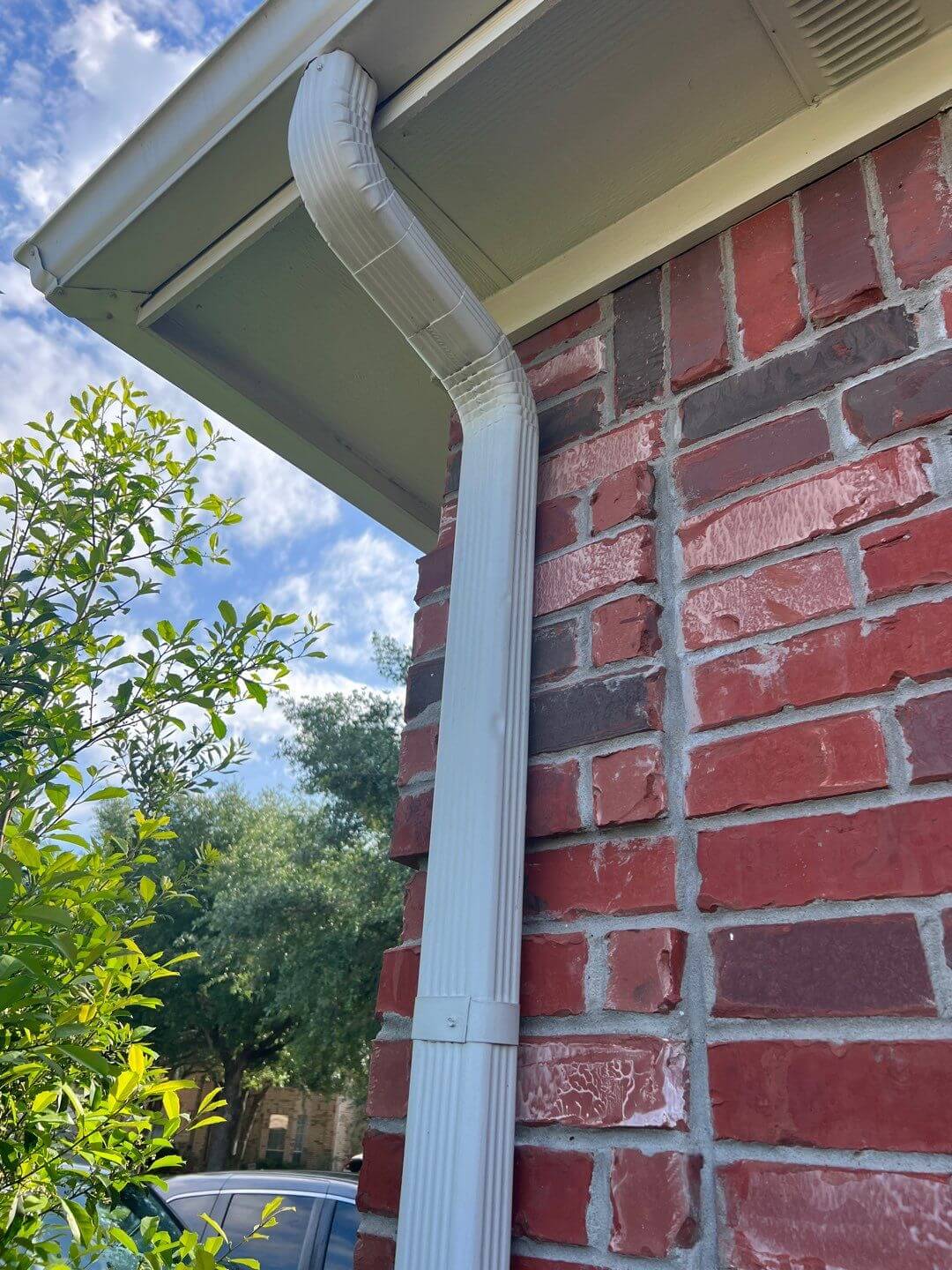
- Dents to Gutters/Downspouts
- Hail Dents on Metal Flashings
- Hail Dents on pipe flashing/roof vents
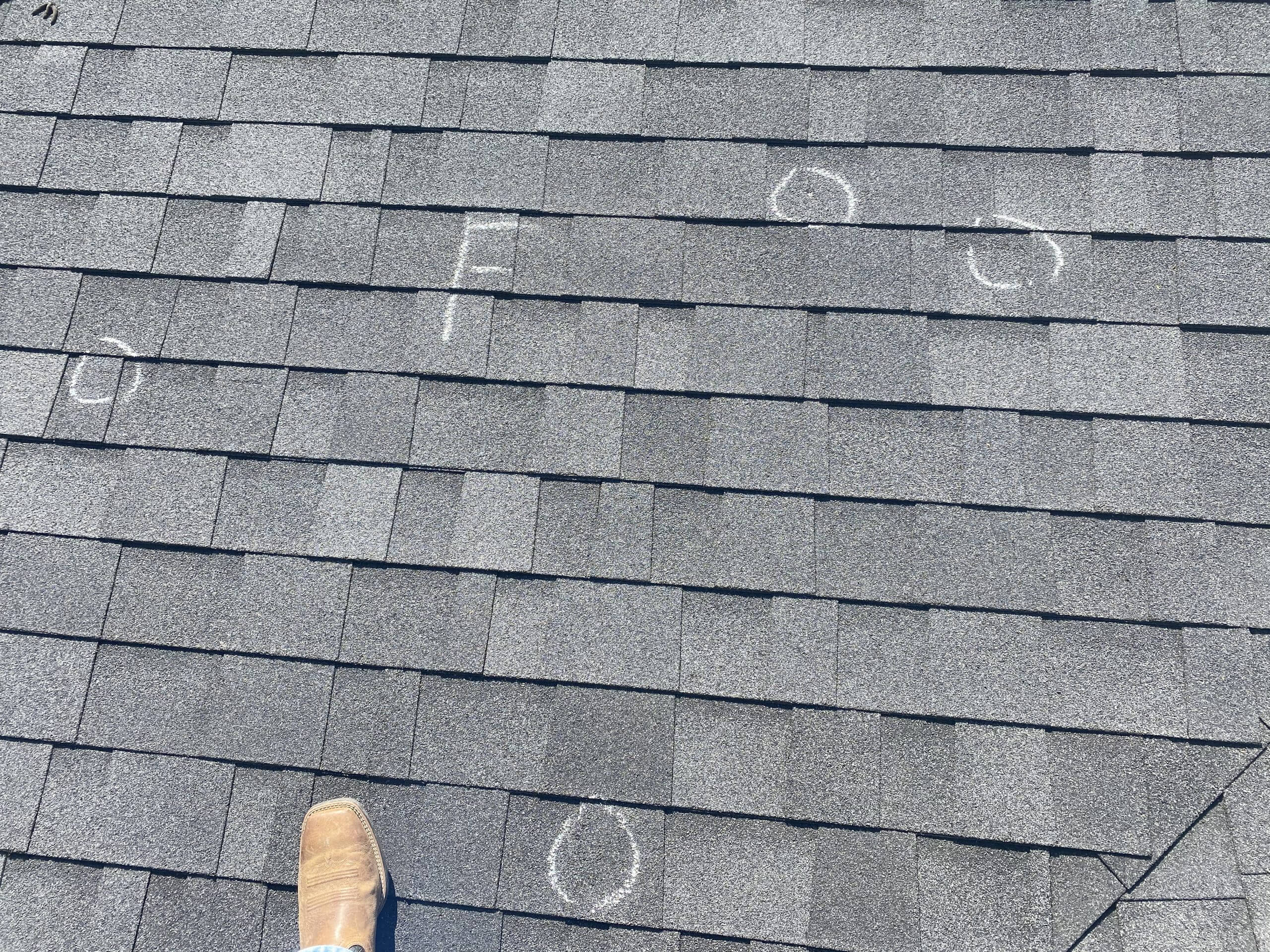
- Hail Damage to the Shingles
Contact Your Insurance Company
Promptly reporting the hailstorm damage to your insurer is vital in initiating the claims process and ensuring that you receive the necessary assistance for repairs and restoration.
Here are some important guidelines to follow when contacting your insurance company:
- Report the hailstorm damage promptly
- Provide accurate and detailed information
- Follow the claims process as instructed
- Keep records of all communication
- Be aware of your policy coverage and deductible
What Makes Hail So Damaging?
Hail can be highly damaging due to its size, density, impact force, repetitive strikes, wind-driven trajectory, and the vulnerability of certain materials. Hailstones come in various sizes, and larger ones carry more force when they fall, leading to significant impact damage. During a hailstorm, multiple hailstones can repeatedly strike the same area, causing cumulative effects and weakening structures.
Is It Necessary To Fix Roof Hail Damage?
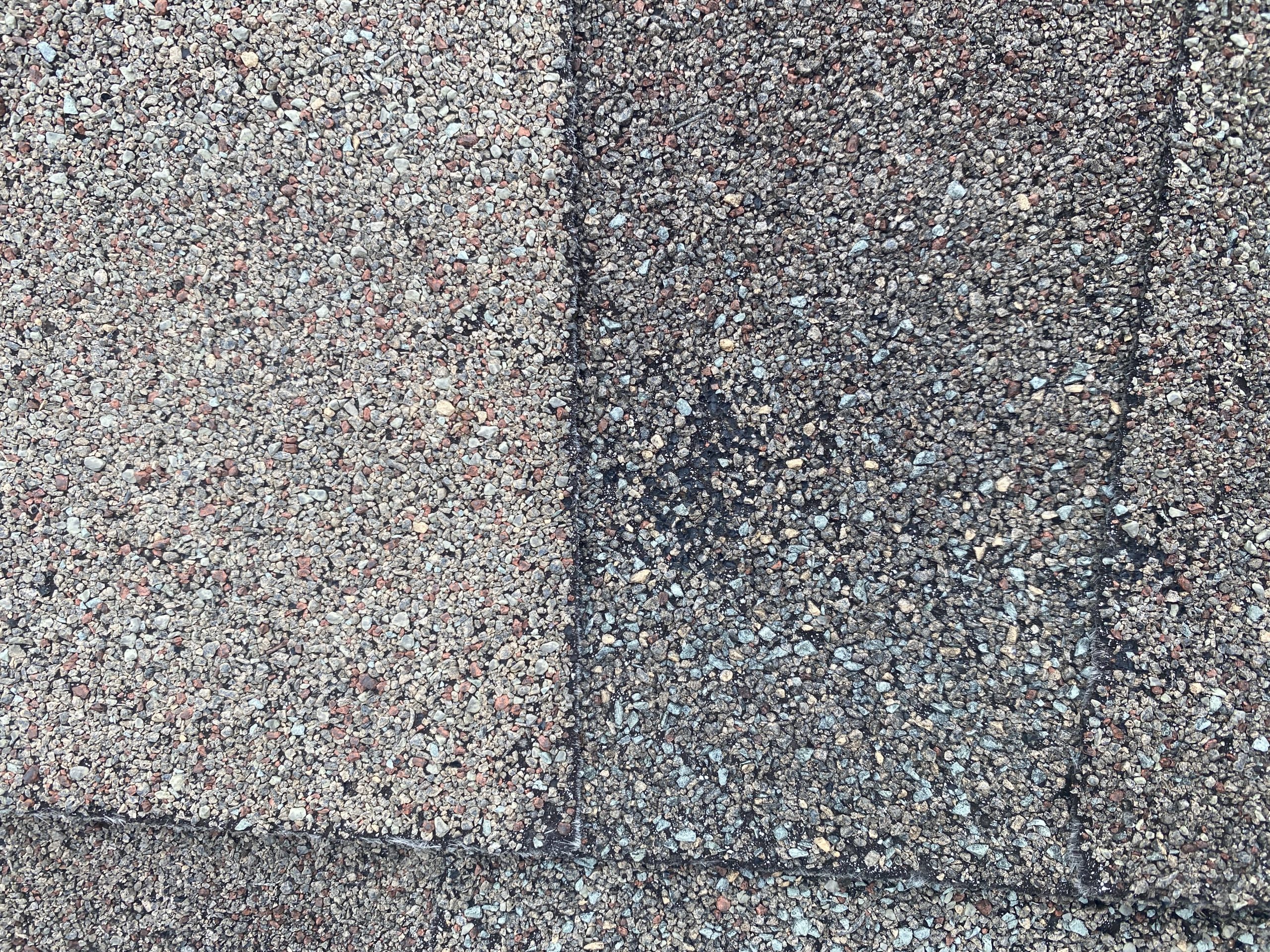
The overall answer is yes. Hail striking your roof can compromise the integrity of your roof. Even if there are no visible leaks, over time leaving the damage unattended can cause long-term damage.
Do you think you have hail damage?

How Long Does a Roof Last in Houston Texas?
As a homeowner are you struggling to understand how long your roof will last in Houston Texas, Well we are here in an effort to educate you as we explore an important question for homeowners in Houston, Texas: “How long does a roof last?” Your roof is a significant investment, and understanding its lifespan is crucial for maintenance and planning purposes.
In this blog post, we will delve into the factors that affect roof longevity in Houston’s unique climate and provide insights to help you make informed decisions about your roofing needs.
Understanding Roof Lifespan
Your roof’s lifespan refers to the length of time it can perform its primary function without major issues. While there are many factors that influence roof longevity, the type of roofing material used plays a significant role.
Here are the average lifespans of commonly used roofing materials in Houston, Texas:
Architectural shingles
- Average lifespan: 25 to 30 years
- Factors influencing lifespan: Quality of shingles, climate conditions, and regular maintenance
3-Tab shingle
- Average lifespan: 15 to 20 years
- Factors influencing lifespan: Quality of shingles, climate conditions, and regular maintenance.
Metal Roof
- Average lifespan: 50 to 70 years.
- Factors influencing lifespan: Material quality, proper installation, and routine maintenance.
- Average Lifespan: 25 to 30 years
- Factors influencing lifespan: Climate, Installation, System Type, Roof Penetration, Proper Maintenance
PVC
- Average Lifespan: 25 to 30 years
- Factors influencing lifespan: climate, proper installation, and routine maintenance
Factors Affecting Roof Longevity
1. Climate and Weather Conditions:
Houston’s climate is characterized by high heat, intense sun exposure, humidity, and occasional severe weather events. These conditions can accelerate the aging process of roofs, causing premature deterioration.
2. Proper Installation and Maintenance:
The quality of the initial roof installation and regular maintenance play crucial roles in prolonging the roof’s lifespan. Proper installation ensures that the roof is built to withstand Houston’s climate and weather challenges.
This is why It is also important to choose the right roofing contractor that you can trust will do the job right.
3. Quality of Materials:
Choosing high-quality roofing materials designed to withstand Houston’s climate is vital. Quality materials are more durable and better equipped to handle the region’s weather conditions.
It is also important to talk with a roofing contractor to see what roofing material works best for your situation as well as its benefits so that you as a homeowner can feel secure in your decision.
4. Ventilation and Insulation:
Adequate ventilation and insulation are essential for a roof’s longevity in Houston. Proper airflow and insulation help regulate temperature, reduce strain on the roof, and prevent moisture buildup
Signs of Roof Aging and Potential Problems:
Knowing the signs of an aging roof or potential issues allows homeowners to take proactive measures to address them before they become major problems.
Watch out for the following signs:
- Curling or buckling shingles
- Missing or damaged shingles
- Cracked or deteriorated roofing material
- Water leaks or stains on ceilings
- Excessive granule loss from asphalt shingles
- Sagging or drooping areas on the roof
Extending the Lifespan of Your Roof:
It is important to understand that many of these roofs have a long lifespan but fail to reach their full potential due to poor maintenance and installation. This is why we want to help you maximize the lifespan of your roof.
What can you as a homeowner do?
To maximize the lifespan of your roof in Houston, consider the following tips:
Regular Roof Inspections:
Schedule professional roof inspections every few years or after severe weather events. Inspections help identify potential issues and allow for timely repairs.
Prompt Repairs and Maintenance:
Address any roof issues promptly. Repair damaged shingles, fix leaks, and replace missing or worn-out roofing materials as soon as possible. Regularly clean gutters and remove debris to prevent clogs and water damage.
Proper Ventilation and Insulation:
Ensure your roof has proper ventilation to regulate temperature and reduce moisture buildup. Adequate insulation helps with energy efficiency and reduces strain on the roof.

Roof Repair vs. Replacement: Which Option Is Right for You?
As a homeowner, it can be tough to choose between a roof repair or a roof replacement. However, we want to educate you on the benefits of both and help assist you with all the factors and considerations that go into making a decision!
A well-maintained roof is vital for the protection and longevity of your home. However, when faced with roof damage or deterioration, homeowners often find themselves at a crossroads: Should they opt for a roof repair or go ahead with a complete replacement?
In this blog, we will explore the factors to consider when making this decision, weighing the benefits and considerations of both options to help you determine the right choice for your specific circumstances.
Table of Contents
Assessing the Current Roof Condition:
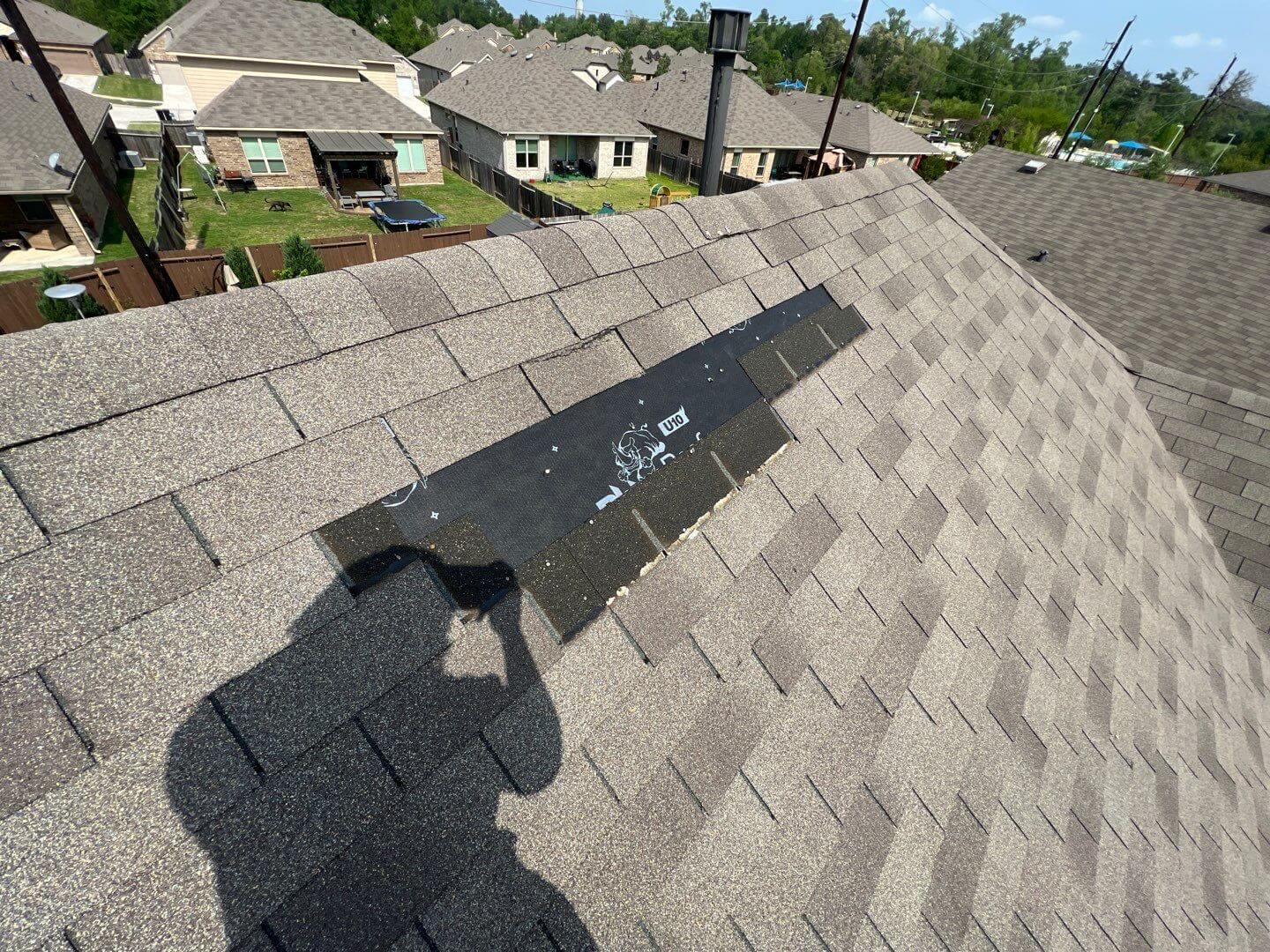
First before deciding between a repair or a replacement, it’s crucial to evaluate the current condition of your roof.
Look for signs of damage such as:
- Missing or damaged shingles
- Leaks
- Sagging
- Visible wear and tear.
Engaging in a professional roof inspection will as well provide an accurate assessment of the extent of the problem and help guide your decision-making process.


Factors to Consider When Choosing Between Repair and Replacement:
Before deciding let’s look at the factors to consider when choosing between a repair or a replacement.
What are some key factors that should influence your decision between a repair or a replacement?
Age of the Roof:
Consider the age of your roof. If it’s relatively new and the damage is localized, repair may be a viable option. However, if your roof is approaching the end of its expected lifespan, replacement may be a more cost-effective long-term solution.
Lifespan of 2 most popular shingles:
- 3-Tab Shingles: 15-20 Years
- Architectural: 20-25 Years
Extent and Severity of Damage:
Evaluate the extent and severity of the damage. Minor issues, such as a few damaged shingles, can often be repaired. However, extensive damage or multiple problems throughout the roof may warrant a full replacement.

Cost-Effectiveness:
Compare the costs of repair versus replacement. In some cases, repairing specific issues may be more affordable than a complete replacement. However, if frequent repairs are likely or the roof is nearing the end of its lifespan, investing in a replacement could save you money in the long run.
Energy Efficiency and Insulation:
Consider the energy efficiency and insulation benefits of a new roof. Replacement allows for the installation of modern, energy-efficient materials and improved insulation, potentially reducing your energy bills and enhancing comfort.
Future Plans for the Property:
Take into account your future plans for the property. If you intend to sell in the near future, a new roof could enhance its value and marketability. Conversely, if you plan to stay in the home for an extended period, consider the longevity and durability of the chosen option.
BENEFITS OF A ROOF REPAIR
Down below we will look at the benefits and factors to consider when dealing with a ROOF REPAIR!
Roof repair offers several advantages such as:
Addressing Specific Problems:
Repairing specific issues targets localized damage, resolving them without the need for a full replacement.
Cost Savings:
In many cases, roof repair is more affordable than a complete replacement, making it an attractive option for those on a tight budget.
Extended Roof Lifespan:
Repairing damaged areas can extend the overall lifespan of the roof, postponing the need for replacement.
However, it’s important to be aware of the limitations of roof repair. It may not address underlying issues or prevent future problems in other areas of the roof.

BENEFITS OF A ROOF REPLACEMENT:
Down below we will look at the benefits and factors to consider when thinking about getting your roof replaced
Roof replacement offers several advantages as well such as:
Complete Resolution of Problems:
A new roof provides a fresh start, completely resolving existing issues and ensuring comprehensive protection for your home.
Improved Durability and Longevity:
Replacing an aging or damaged roof with new, high-quality materials increases its durability and longevity, reducing the need for future repairs.
Energy Efficiency and Modern Materials:
Roof replacement allows for the installation of energy-efficient materials and modern roofing technologies, enhancing insulation and potentially reducing energy costs.
Aesthetic Upgrades:
Replacing your roof gives you the opportunity to upgrade the appearance of your home, choosing from a variety of styles, colors, and designs.
However, the primary considerations with roof replacement are the initial cost and potential disruption to your daily life during the installation process.

Consulting with Roofing Professionals:
Last but not least when faced with the decision between roof repair and replacement, it is crucial to consult with roofing professionals.
You will want to:
- Seek multiple estimates,
- review their credentials and past work
- evaluate warranties and guarantees they offer.
Conclusion:
In the dilemma of roof repair vs. replacement, there is no one-size-fits-all answer. The right choice depends on various factors, including the age of your roof, the extent of damage, cost-effectiveness, energy efficiency needs, and future plans for the property.
Assess your options carefully, consult with roofing professionals, and weigh the benefits and considerations of repair and replacement. By doing so, you can make an informed decision that ensures the longevity, functionality, and protection of your home for years to come.
Want to speak to a certified roofing specialists?
ULTIMATE GUIDE: How to Choose the Best Roofing Contractor in Spring, Texas
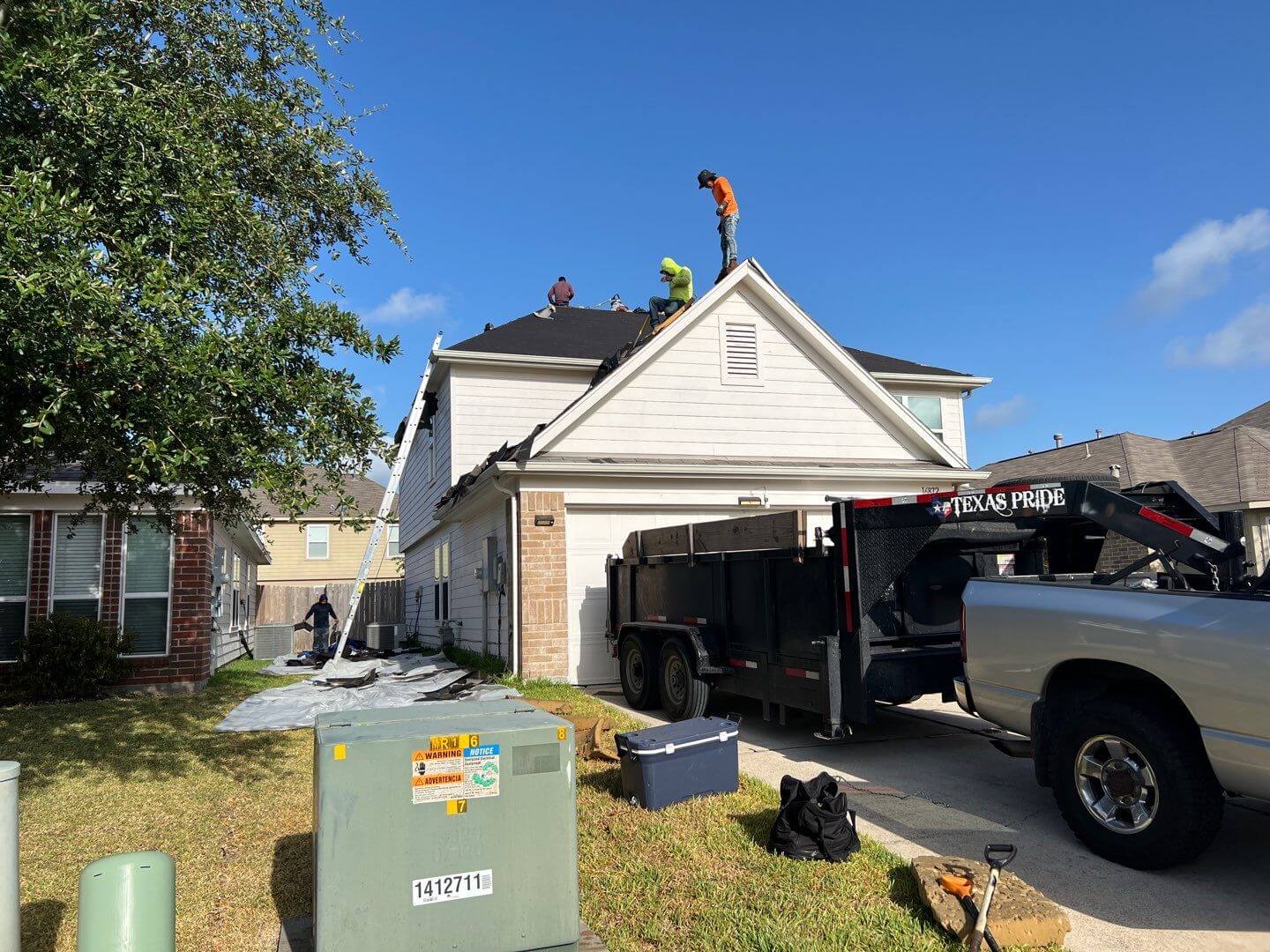
When it comes to the integrity and longevity of your home’s roof, selecting the right roofing contractor is important. As a homeowner, it can be troubling to find a reliable roofing contractor to help assist you with your questions and concerns however, we want to help educate you on how to make a cohesive decision that works best for you.
Whether you need roof repairs or a complete replacement, hiring a reputable and reliable professional can make all the difference.
In this blog post, we will guide you through the essential factors to consider when choosing the best roofing contractor in Spring, Texas. By following these guidelines, you can ensure that your roofing project is in capable hands.
Table of Contents
Ask for Recommendations:
Start your search for a roofing contractor by seeking recommendations from friends, family, neighbors, or colleagues in the Spring, Texas area. Personal referrals can provide valuable insights and firsthand experiences, giving you a trustworthy starting point for your selection process.
- Personal recommendations can provide valuable insights into the reputation and reliability of roofing contractors.
- People in your network are more likely to provide honest feedback based on their direct experience.
- By considering recommendations, you can narrow down your search to contractors with a positive track record.
- It helps to prioritize contractors who have consistently received positive referrals.
Verify Credentials and Licensing:
Ensure that any roofing contractor you consider is properly licensed and insured in accordance with state and local regulations.
- Valid licenses demonstrate that the contractor has met the necessary requirements and adheres to industry standards. Additionally, check if they have any certifications from roofing manufacturers, as this signifies their expertise and commitment to quality.
- RCAT organization licensing
- HARCA membership
- BBB A+ Rating
- GAF/Owens Corning Manufacturer Certified
Review Roofing Contractors Experience and Expertise:
- Look for roofing contractors with extensive experience in the Spring, Texas area. They should have a proven track record of successfully completing similar projects. Ask about their expertise in roof repairs and replacements, specifically focusing on the type of roof material you have or want to install. A contractor with specialized knowledge can offer valuable insights and ensure the best results.
How can I as a homeowner ensure a roofing company’s experience?
- Check their website for past jobs (Check out our Gallery Here!)
- Check their reviews and see what others are saying about the company
- Check their social media and internet presence for any other kind of content.
Seek Written Estimates from Contractors:
- Obtain written estimates from multiple roofing contractors before making a decision. A detailed estimate should include the scope of work, materials to be used, and overall cost breakdown.
- Avoid contractors who provide vague or verbal estimates. Thoroughly compare the proposals to understand what each contractor offers and ensure there are no hidden costs or surprises down the line.
Down below is an example of a written estimate:


Evaluate Communication and Customer Service:
Effective communication and excellent customer service are crucial when selecting a roofing contractor.
Things to pay attention to in regards to communication with any roofing company
- Their responsive time
- The clarity they offer in explaining the project
- Their willingness to address your questions or concerns
A contractor who values open and transparent communication is more likely to provide a smooth and satisfactory experience.
Warranty and After-Sales Support:
- A reputable contractor should provide a warranty on both the materials and the workmanship.
- Understand the terms and duration of the warranty to ensure you are adequately protected. Additionally, ask about their after-sales support and whether they offer any maintenance or repair services post-installation.
Let us know if you have any questions that we can help guide and assist you with!
Check us out on our social media presence for MORE content!
Want to speak to a certified roofing specialists?
What Is The Best Material For Flat Roofs? Residential Homes in Houston TX
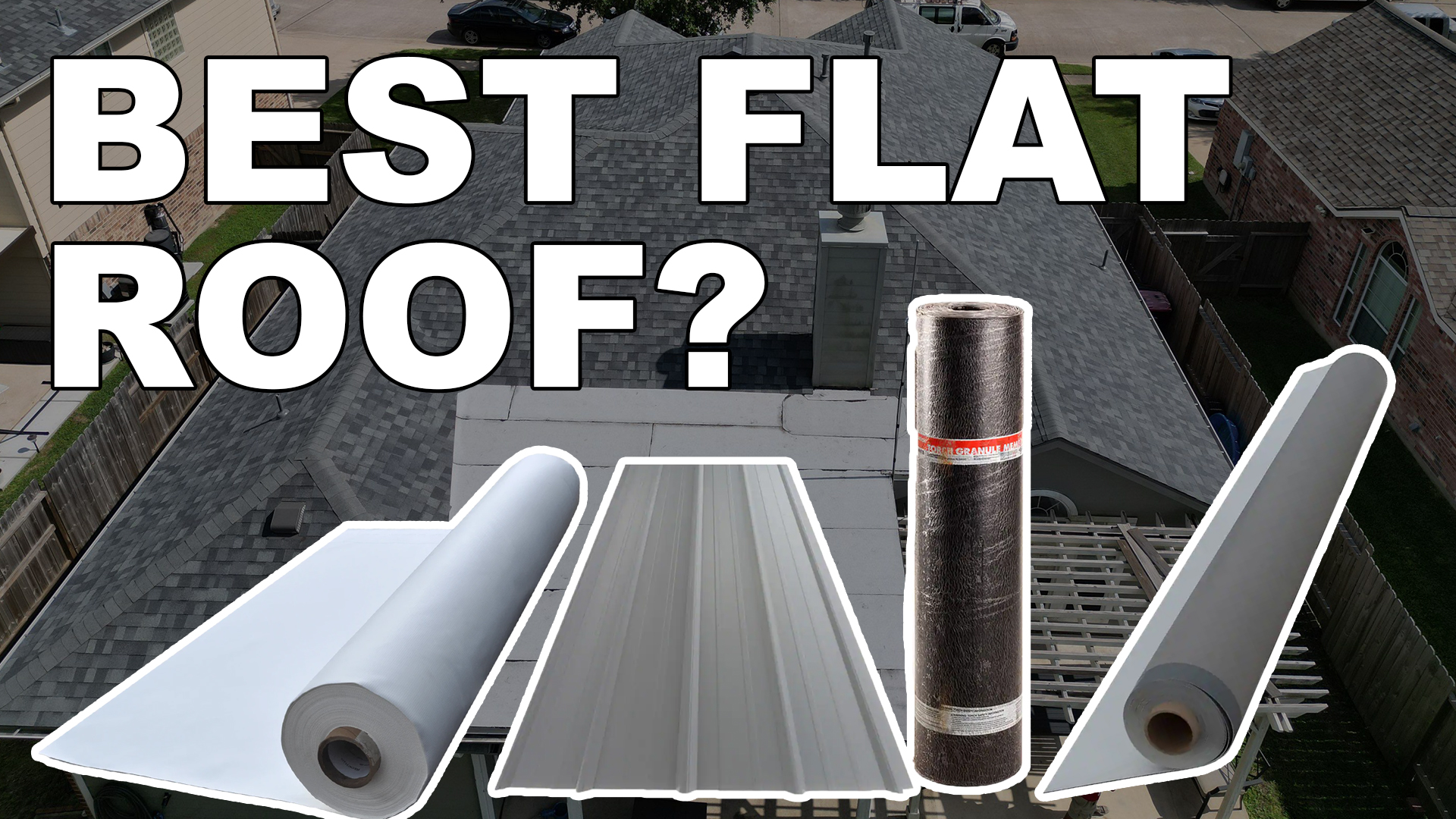
What is the best flat roof material for my home?
With regards to the intense weather here in Houston Texas, many homeowners ask themselves the question as to what would be the appropriate material for my flat roof? Flat roofs are a different kind of ballgame compared to your traditional roofs, since they require more attention and can be more tedious to work with.
Down below we will discuss the different options that you as a homeowner have.
Our Disclaimer
There is not one flat roof system that is the “better option” for everyone . Flat roof systems vary and we as a company want to personalize your flat roof system depending on your situation.
Your decision as to what flat roof material you use is going to be based of these questions.
- What is your budget?
- What is the style of your home?
- What do you like as a homeowner?
- What does your decking look like?
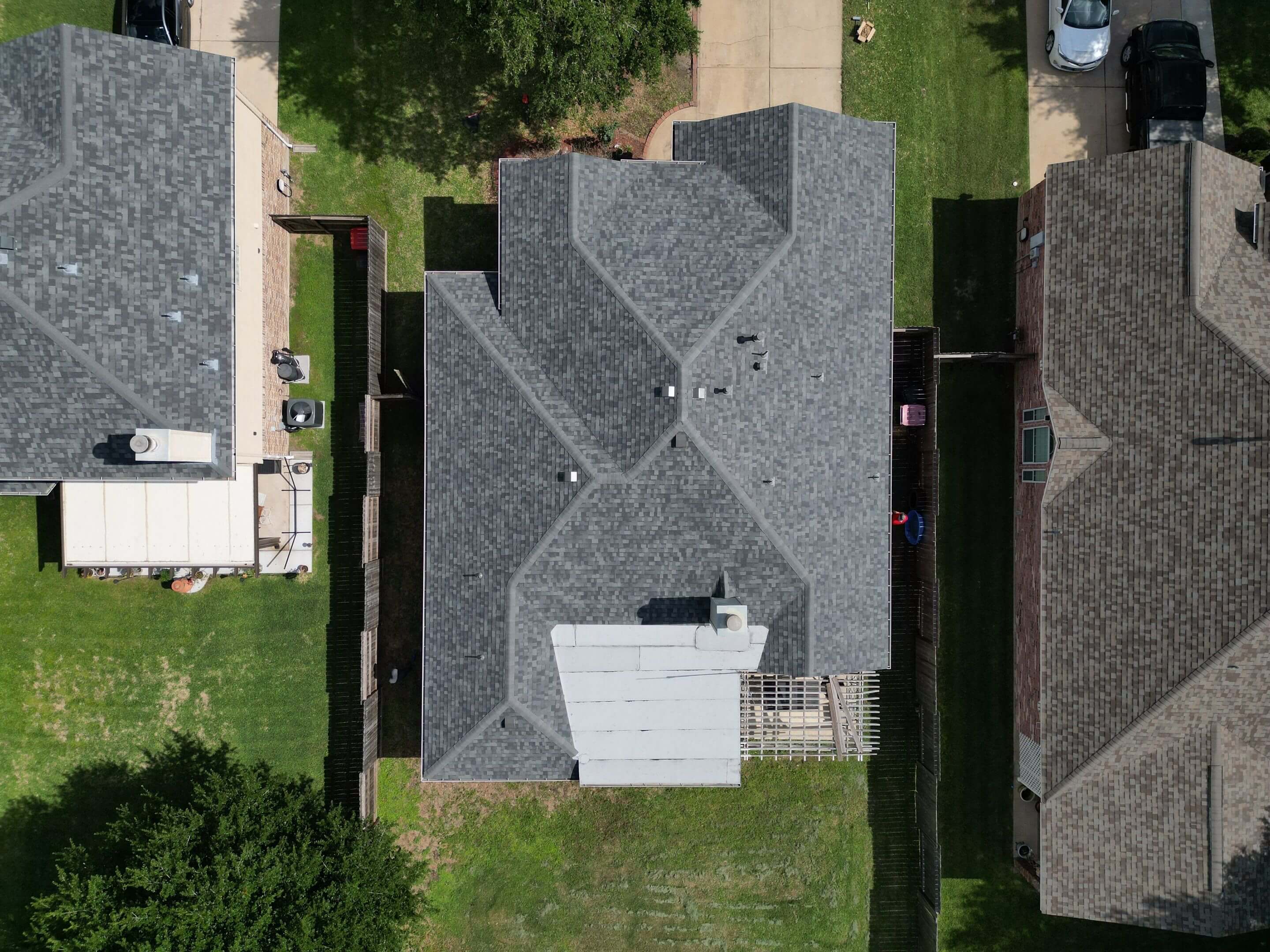
Modified Torch
What is Modified Torch?
- Modified torch is a rolled membrane roofing system primarily made of asphalt. The construction resembles shingles but in a more flexible form and have an additional waterproof coating applied.
There are two different types of applications
- OPEN FLAME
Attached by melting the asphalt onto the roof (most secured option)
2. PEEL AND STICK
Attached simply the way it hears by peeling and sticking it onto the roof.
We as a company do not recommend the peel and stick method as it tends to leave many open seams.


TPO
What is TPO?
- (Thermoplastic Polyolefin) is a single-ply membrane used in both commercial and residential roofing.
PROS
Cost Effective – TPO roofs can come in at a more budget-friendly install
Energy Savings – TPO membrane comes in white, that reflects most of the intense Texas sunlight throughout the day. Keeping your building cooler.

What does the application process look like for TPO?
There are 2 most common applications
1. MECHANICALLY ATTACHED
The TPO material is applied by properly using fasteners to secure it down to the decking.
2. ADHESIVE
The TPO material is applied by using an adhesive like substance to attach the TPO onto the decking.
TPO does great with wind ratings.
TPO does very well as it is most found on your hotels, strip centers, office buildings and commercial/ residential buildings.


PVC
What is PVC?
- (Polyvinyl Chloride) is also a single-ply membrane used in both commercial and residential roofing.

What does the application process look like for PVC?
PVC has a similar application process to TPO
1. MECHANICALLY ATTACHED
The TPO material is applied by properly using fasteners to secure it down to the decking.
2. ADHESIVE
The TPO material is applied by using an adhesive like substance to attach the TPO onto the decking
A great system, however we most commonly see TPO over PVC in the Houston Area.
You can see PVC in many office buildings as well as other commercial/residential properties.


Seamless metal
What is seamless metal?
- Is a series of metal panels that are locked together at the seams or seamed mechanically.
PROS

What does the application process look like for Seamless Metal?
Seamless metal can only be attached for one way
Most commonly than not we do not see seamless metal roofs a whole lot in the Houston area.
Seamless metal roofs are most commonly installed in new construction homes rather than a roof replacement/repair.
What is the biggest problem when it comes to my flat roof having leaks?
INSTALLATION!!!!
Most often that not many flat roofs have leaks or other issues due to poor installation hurting the lifespan of these roofs.
When looking at hiring a contractor to fix your roof make sure they specialize in flat roofs as they tend to be more difficult, tedious and acquire more experience to work with.
- Down below is a video of a poorly installed flat roof that leads to more headaches, money and waste of time for you as a homeowner.

What Materials Are Used in a Roof Replacement? (Houston Homeowners Guide)
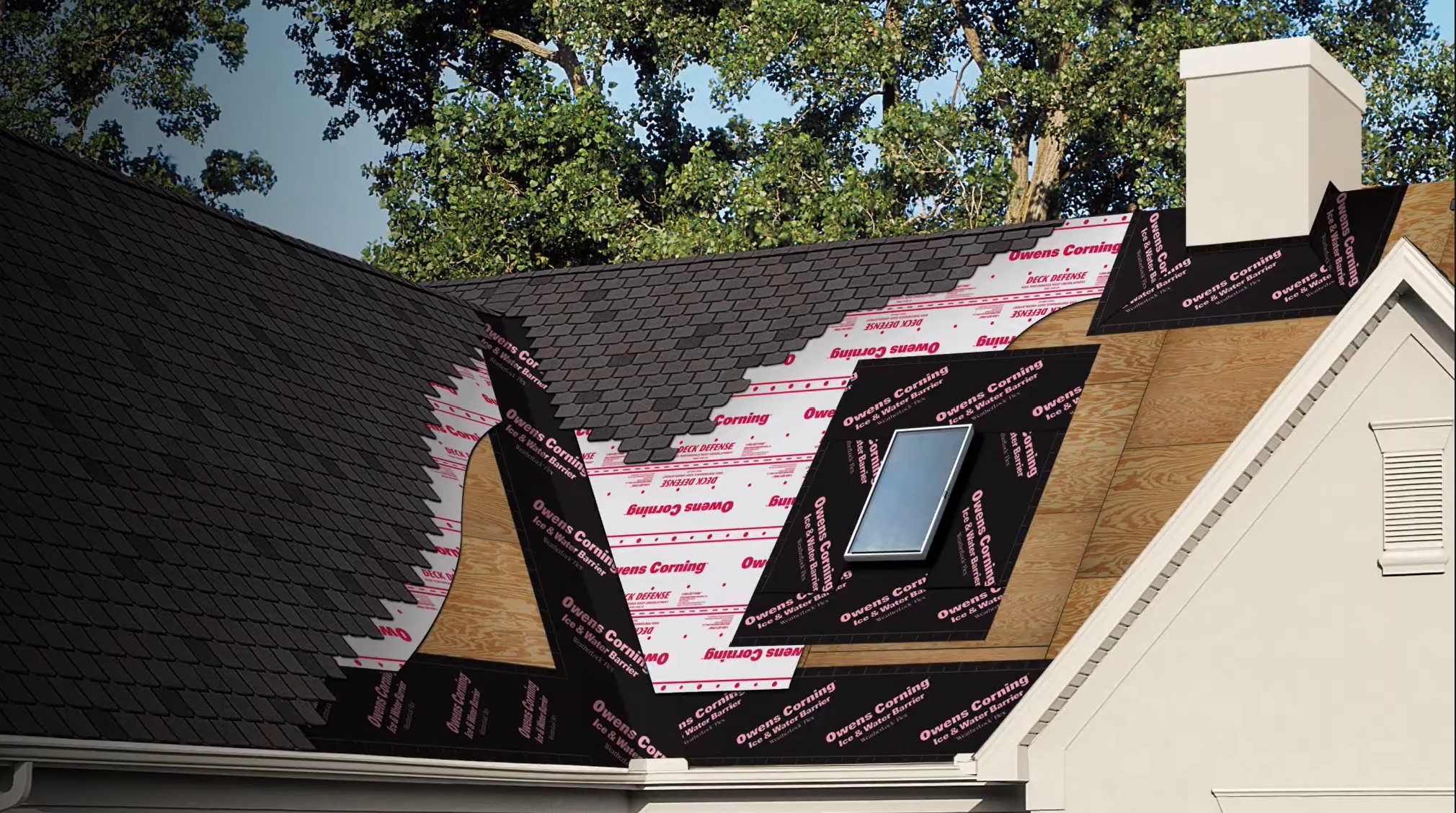
When replacing your roof, it’s important to understand every material involved—not just the shingles you see on top. Each layer plays a crucial role in protecting your Houston home from wind, rain, heat, and humidity. At HHH Roofing & Construction, we believe educated homeowners make better roofing decisions. This guide walks you through all the essential components of a quality roof replacement.
Why It's Important to Know What's On Your Roof
Roofing isn’t just shingles. A complete roofing system includes decking, underlayment, ventilation, and more—each working together to protect your home. In Houston, where intense heat, heavy storms, and hurricanes are common, the right materials can extend your roof’s lifespan and even lower your insurance premiums. Knowing what’s on your roof helps you make informed choices when comparing quotes.

Essential Roof Replacement Materials (With Photos)
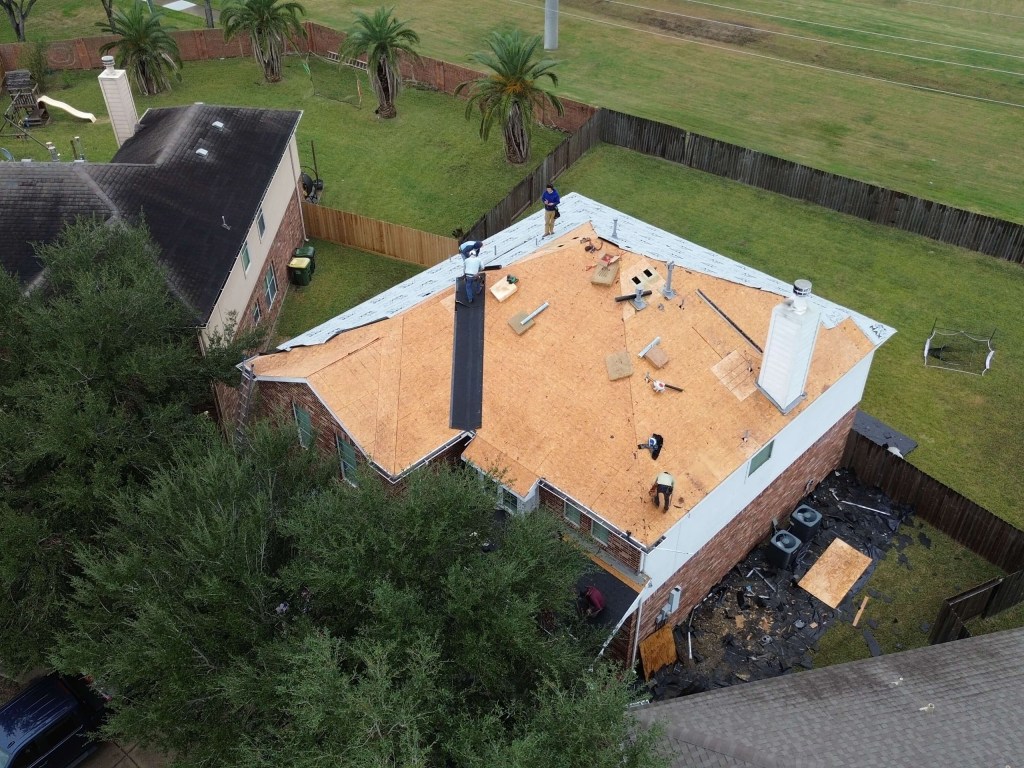
Every layer matters in a roof replacement. Below are the key materials we install on every project.
Roof Decking (Sheathing)
Roof decking is the wood layer that forms the base of your roof. It’s typically made from OSB (Oriented Strand Board) or plywood. During replacement, we inspect for water damage or rot and replace any compromised sheets.


When you have a roof that has been leaking for awhile it can eventually damage your plywood. If you are getting a roof replacement, you might have to replaced some of your roof’s decking. On average, most contractors will provide 2-4 sheets to repair any rotten plywood found during the tear-off.
Your roofing contractor won’t know exactly how many sheets will need to be replaced until they tear off all your roofing materials. This is why a roofing company will include in their estimate how many sheets they are going to provide and the cost for each additional sheet after tear-off.
Ice and Water Shield/Leak Barrier
This waterproof membrane is installed in the most vulnerable areas of your roof, such as valleys and around roof penetrations like vents and chimneys. Where two roof faces meet to form a valley, it’s crucial to guide water in the right direction and prevent pooling. Roof valleys experience constant water flow every time it rains, which increases the risk of leaks.
That’s why the ice and water shield is essential—it’s a self-adhering membrane specifically designed to create a watertight seal in high-risk areas. In Houston’s heavy rainstorms, this added protection is key to keeping your home dry.

Ice and Water Shield vs. Metal in Roof Valleys
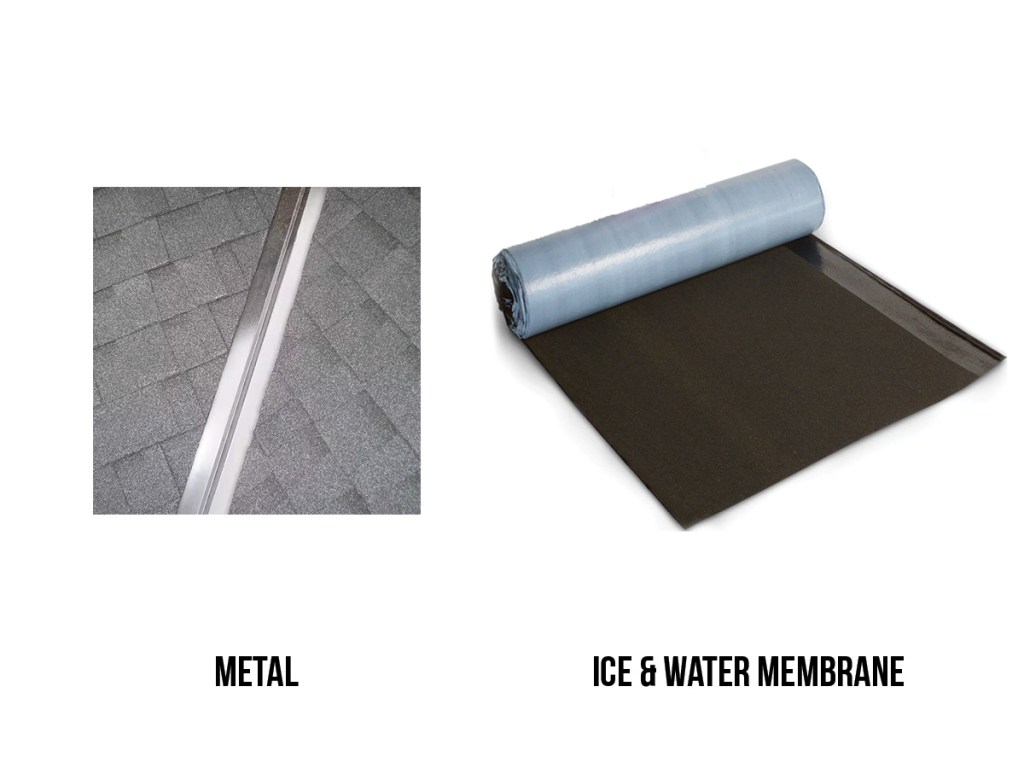
When it comes to protecting roof valleys, homeowners often ask whether metal or an ice and water shield membrane is better. While both methods serve to direct water away from these critical areas, we typically do not recommend using metal valleys in Houston due to the extreme heat.
Metal in the valleys can expand and contract with temperature swings, which over time may cause warping, oil-canning, or even loosening of fasteners. This can create weak spots and lead to potential leaks, especially during Houston’s heavy rainstorms.
In contrast, an ice and water shield membrane self-adheres directly to the decking, creating a seamless, watertight barrier that adjusts to your roof’s movement without cracking or shifting. It’s designed to handle constant water flow—especially in roof valleys where two slopes meet—and provides long-term, low-maintenance protection ideal for Houston’s hot and humid climate.
Synthetic Underlayment
Synthetic underlayment sits on top of the decking and below the shingles. It adds an extra moisture barrier and protects your roof during Houston’s unpredictable weather. We use high-quality synthetic felt that’s more durable than traditional tar paper.


Drip Edge
It is code to have Drip Edge installed on the perimeter of your roof (Eaves & Rakes). Here is the following code on Drip Edge according to the International Residential Code 2015 (IRC 2015):
R905.2.8.5 Drip Edge
A drip edge shall be provided at eaves and rake edges of shingle roofs. Adjacent segments of drip edge shall be overlapped not less than 2 inches (51 mm). Drip edges shall extend not less than 1/4 inch (6.4 mm) below the roof sheathing and extend up back onto the roof deck not less than 2 inches (51 mm). Drip edges shall be mechanically fastened to the roof deck at not more than 12 inches (305 mm) o.c. with fasteners as specified in Section R905.2.5. Underlayment shall be installed over the drip edge along eaves and under the drip edge along rake edges.

Starter Strip Shingles
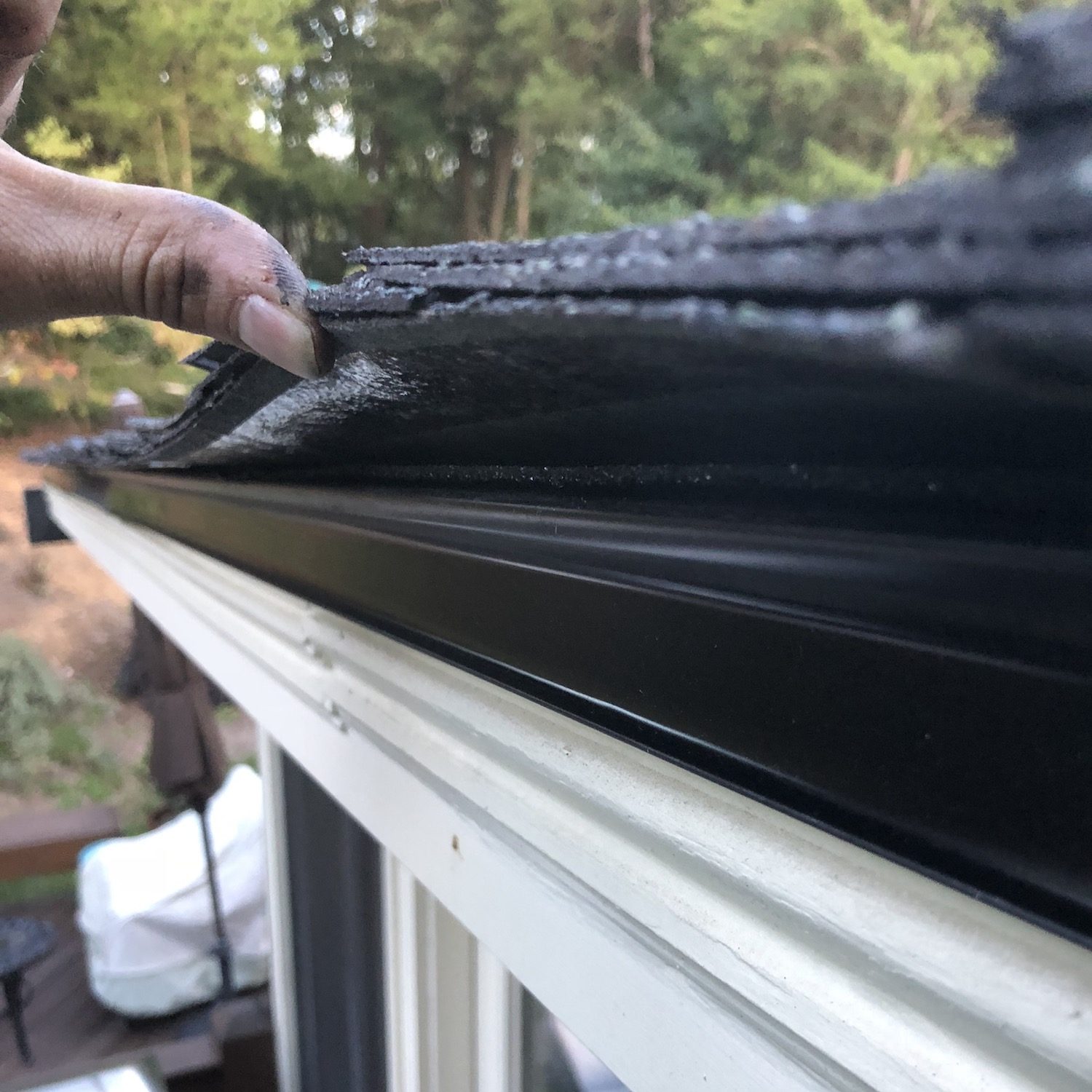
Starter shingles are installed along the edges of your roof to prevent wind uplift. They provide the foundation for your shingle rows and seal down the first course to avoid leaks.
Architectural Shingles (Main Roofing Material)
Architectural asphalt shingles are the most visible part of your roof. We install Owens Corning Oakridge® or Duration® shingles for superior performance and curb appeal. These shingles offer excellent wind resistance, vibrant color options, and long-lasting protection.
Check out our Blog for a Full Comparison on Owens Corning Oakridge Vs. Duration shingles

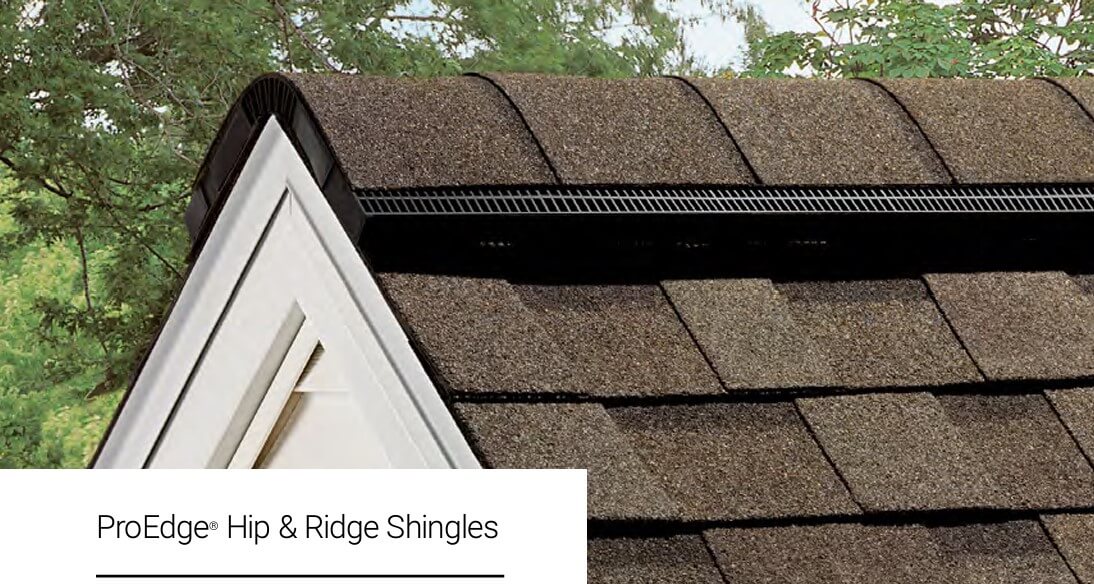
Hip & Ridge Shingles
These specialized shingles cover the peak and ridges of your roof. They’re designed to bend and protect the most vulnerable seams where roof planes meet. We install matching Owens Corning ProEdge® Hip & Ridge and Owens Corning RIZERidge® Hip & Ridge

Ventilation (Ridge Vents or Static Dome Vents)
Proper roof ventilation is one of the most overlooked—but most important—parts of a complete roofing system. In Houston’s hot and humid climate, good ventilation helps keep your attic cooler, reduces moisture buildup, and extends the life of your roof. Without proper airflow, heat and humidity can get trapped in the attic, leading to mold, wood rot, and higher energy bills.
There are three common types of attic ventilation used in residential roofing:
Ridge Vents
Ridge vents run along the peak of your roof and allow hot air to escape evenly across the entire attic. Because they sit at the highest point of your home, ridge vents are highly effective when paired with proper intake vents (like soffit vents). They also maintain a clean, low-profile appearance.
Static Roof Vents
Also called box vents or turtle vents, these are small, fixed vents installed near the roof ridge. They allow hot air to exit but do not actively move air. Multiple units are usually installed based on the size of the attic. They’re simple and effective but can be less efficient than ridge vents when not paired properly with intake ventilation.
Whirlybird / Turbine Vents
Turbine vents spin when the wind blows, creating a suction effect that pulls hot air from the attic. They don’t require electricity, and when installed correctly, they can move large volumes of air. However, they rely on wind to function and can wear out over time in Houston’s weather.
No matter which system you choose, ventilation must be balanced—with both exhaust vents (at the top of the roof) and intake vents (typically at the eaves or soffits). This balance allows for continuous airflow, which is essential for energy efficiency and roof performance.
| Feature | Ridge Vents | Static Vents (Box/Turtle) | Turbine Vents (Whirlybird) |
|---|---|---|---|
| Appearance | Low-profile, blends into roofline | Small square vents, visible on roof | Dome-shaped, noticeable on roof |
| Air Movement Type | Passive (constant airflow) | Passive | Passive with wind-powered suction |
| Effectiveness | High (when paired with intake vents) | Moderate (requires multiple vents) | High (with consistent wind) |
| Energy Use | None | None | None |
| Wind Dependency | No | No | Yes (works best in windy areas) |
| Maintenance | Minimal | Minimal | Moving parts may wear over time |
| Durability in Houston Heat | Excellent (no moving parts) | Excellent | Good (can wear faster under sun/heat) |
| Installation Cost | Moderate | Low | Low to Moderate |
| Best For | New roofs, clean aesthetic, max airflow | Simple roof replacements | Budget-friendly airflow boost |
Flashing (Pipe Boots, Chimney Flashing, etc.)
Chimney flashing is the metal installed where the chimney meets the roof, sealing the joint to prevent water intrusion. It’s usually composed of step flashing along the sides and counter flashing embedded into the chimney masonry. In Houston, with frequent rain and high humidity, poorly installed or aging chimney flashing is a common cause of leaks.
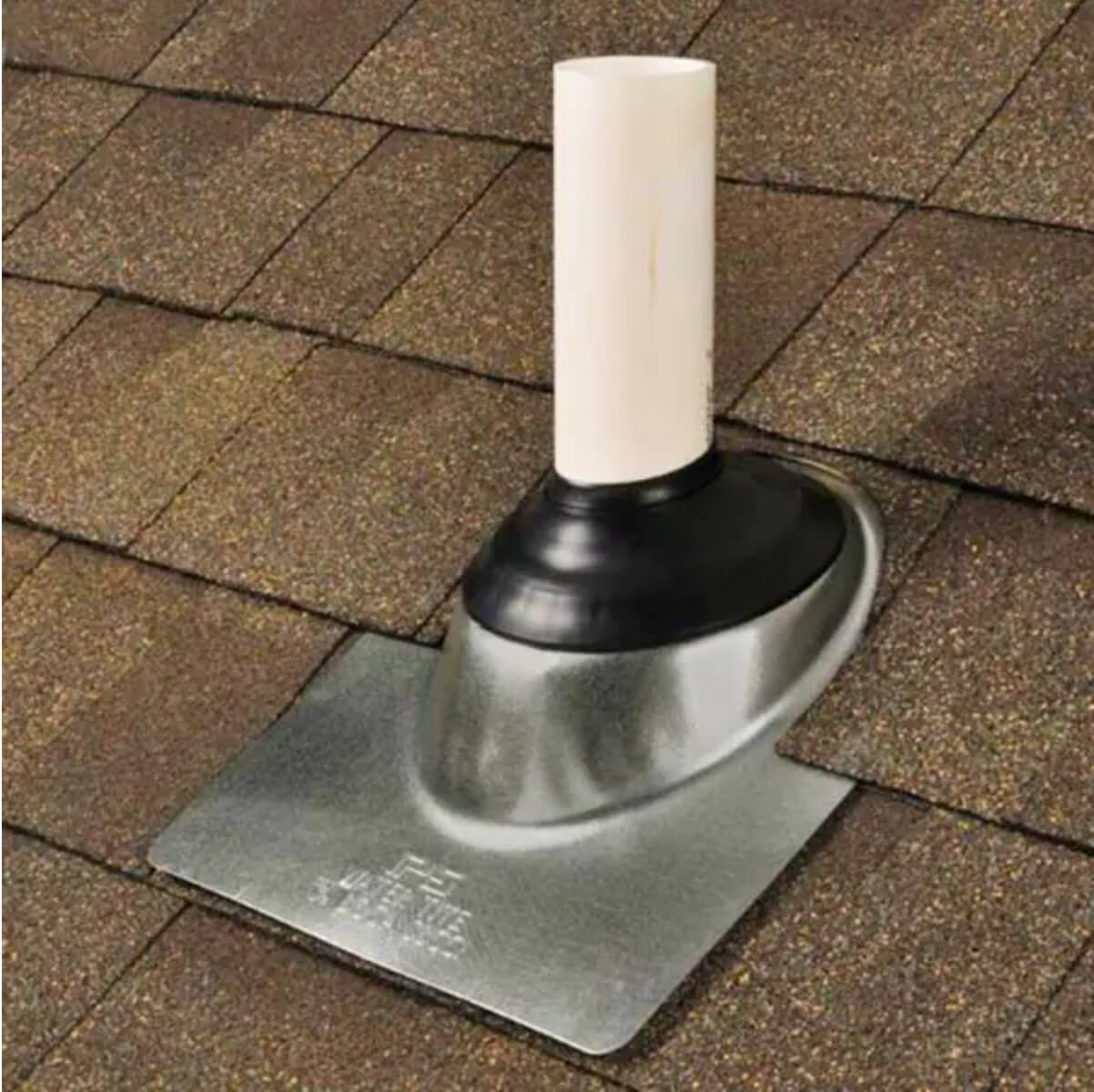
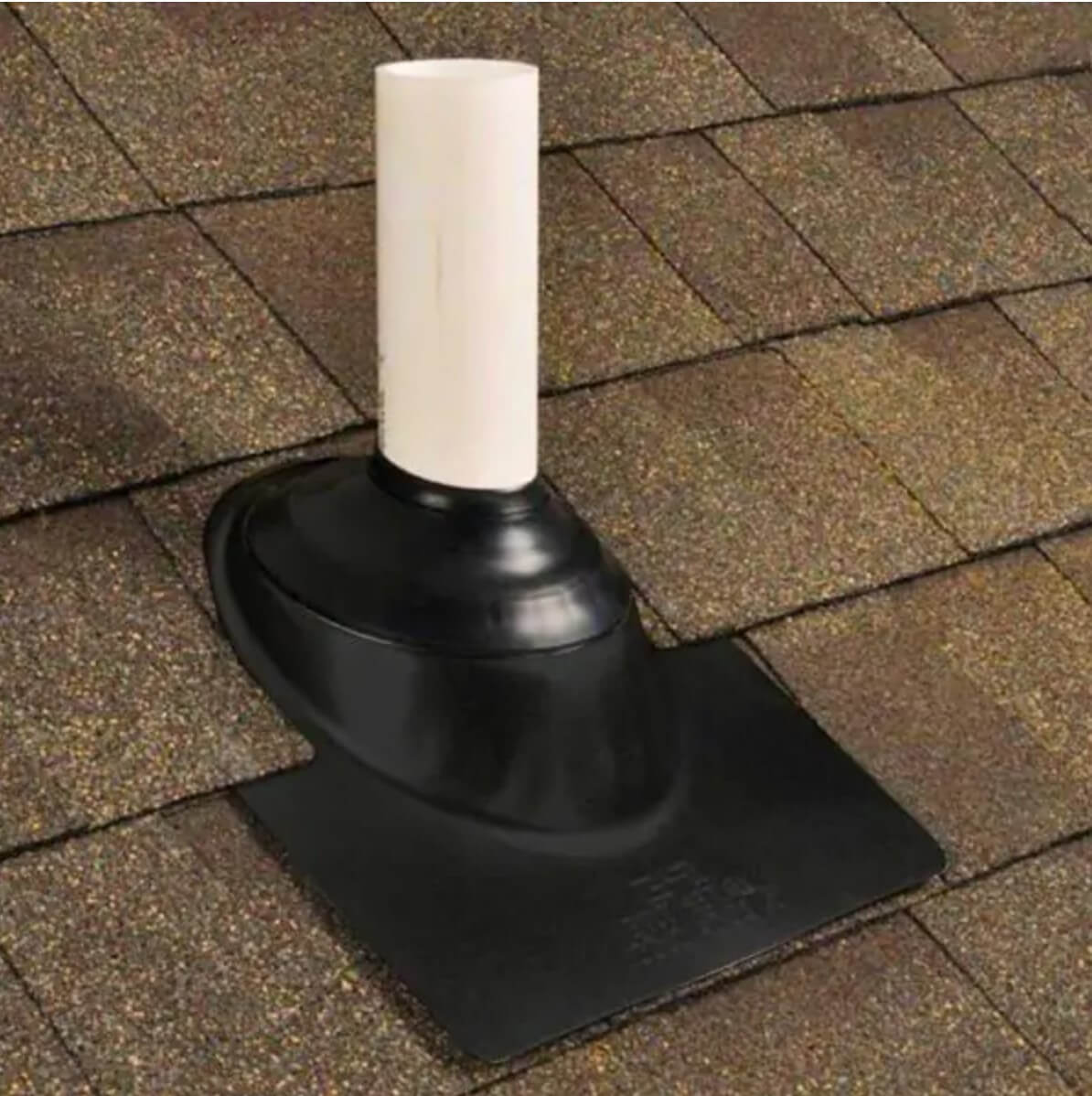
A pipe boot is a flashing device that seals around plumbing vent pipes to prevent water from leaking into your home. These penetrations are one of the most common sources of roof leaks if not sealed properly. There are several types of pipe boots, each with different materials and lifespans.
Metal Pipe Boots
Metal boots, often made of aluminum, are durable and resistant to UV rays. However, they typically rely on a rubber gasket around the pipe, which can dry out and crack over time—especially in Houston’s intense sun and heat. Regular inspection is important with metal boots.
Plastic Pipe Boots
Plastic boots are lightweight and cost-effective but tend to degrade faster under prolonged UV exposure. In Houston, where temperatures get extreme, plastic boots are more likely to crack and are not typically recommended for long-term performance.
Lead Pipe Boots
Lead boots are considered the most long-lasting option. The lead is flexible enough to form a tight seal around the pipe and is resistant to UV damage. Over time, the lead conforms to the shape of the pipe, creating a watertight bond that can last decades. These are ideal for Houston’s harsh climate.

Choosing the Right Roofing System in Houston
Houston’s intense UV rays, humidity, and hurricane threats require roofing materials that go beyond the basics. At HHH Roofing, we use the Owens Corning Total Protection Roofing System® to ensure every layer of your roof works together to protect your home and maximize longevity.
If you’re considering a new roof, let us walk you through your options and help you understand what goes into your estimate. As a local, family-owned roofing company in Spring, TX, we’re proud to serve Greater Houston with honesty, craftsmanship, and Owens Corning certified quality.
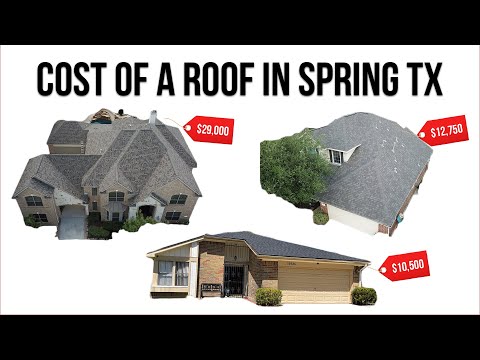
Cost of A Roof in Spring TX | 2022
How much does a new roof cost in Spring, TX? When it comes to roof replacement prices it can be confusing. In this blog we breakdown what the current roof replacement price is and we give some examples of past jobs and what the current price of replacing that roof.
Disclaimer: Prices are subject to change. Right now prices have been change dramatically the last 2 years due to the rising inflation. This will help you get a good idea of how much a new roof will cost you in the Spring market area as of Summer 2022
Table of Contents
2022 Roof Prices
The current roof replacement price is $375 – $475 per square of $3.75 – $4.75 per square foot.
In our industry, we base off our prices off the total square foot of your roof. This means that we will get the total square footage of your roof system and divide by 100 to equal the total squares.
Total Square Footage / 100 = Total Squares
For Example:
If you have a roof that measures out to be 3,000sqft we divide that by 100 and we get a 30SQ roof system. You can expect to pay around $11,250 – $14,250.
$375 Per Square Roof System Price:
This price is for a traditional roof system with simple roofs that don’t have many valleys or steep to walk on. This price is usually for 1 story homes and easy 2 story homes.
$475 Per Square Roof System Price:
This price is for homes that are larger and steeper with upgraded products such as upgraded underlayment, upgraded shingles and etc.
How Can I Get the Total Square Footage of My Roof?
You can go on your roof and measure it yourself if you have a low pitch roof that is easy to walk on. But we would never recommend that to someone because of how dangerous it is to slip and fall.
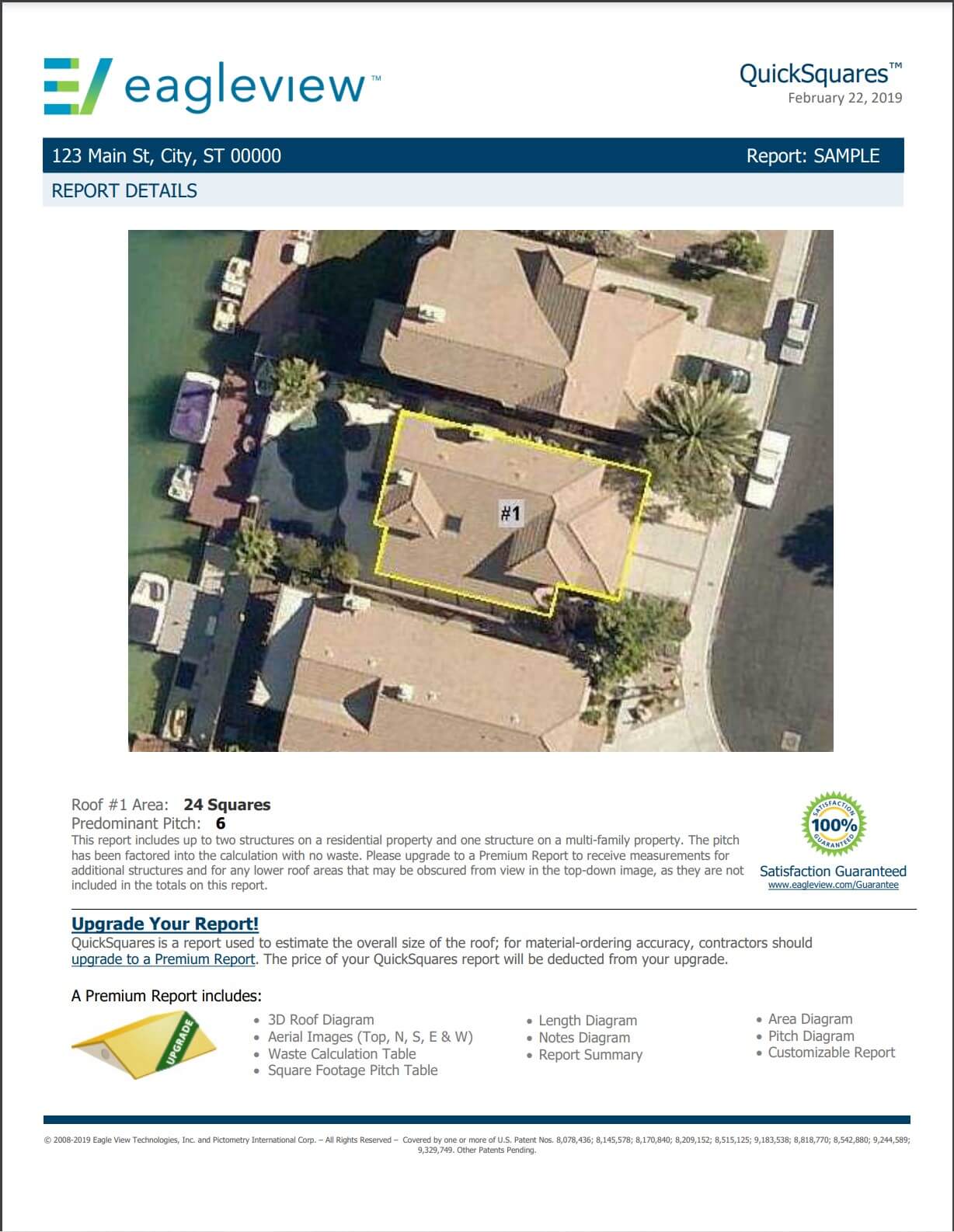
Our recommendation is to get a satellite measurement using EagleView Technologies
It can cost about $50 for a report but it will get you an accurate measurement of your roof and the pitch.
Large Home Roof Cost Example
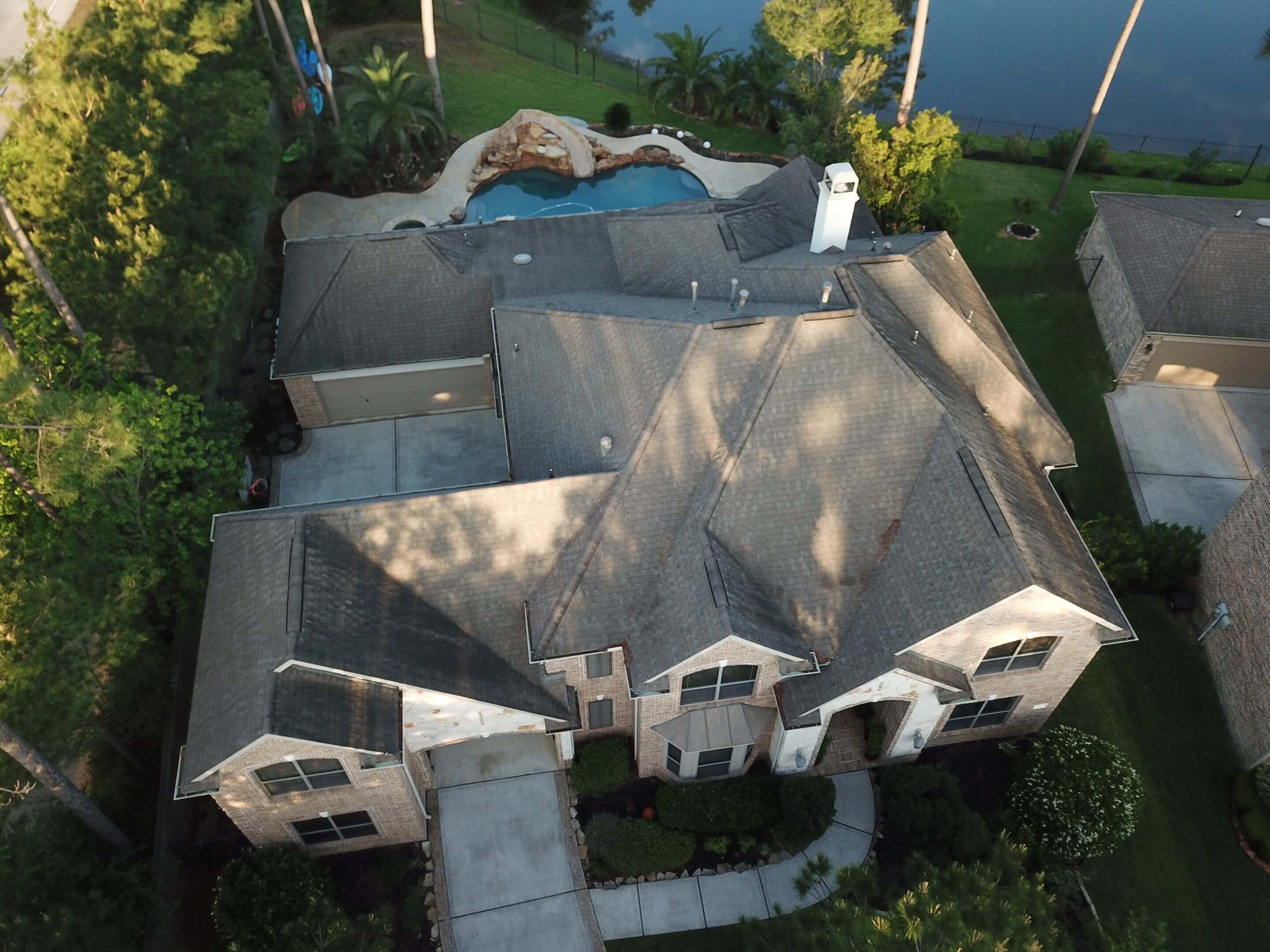
6,500 sqft / 65 SQ
The homeowner wanted the upgraded products such as upgraded shingles, synthetic felt, the ridge and also extra details were performed such as chimney flashing. With the upgraded options and technicality to this larger size home it was priced at $29,000.
The project itself took about 3 Days to finish with the 3rd day just working on details and final pickup of any missed nails and debris.
Traditional Roof Cost Example

3,400 sqft / 34 SQ
The average home in Spring, TX is usually between 30SQ – 40SQ. This an example of a traditional home type and the roof size. The price to replace the roof today is $12,750.
With our traditional roof replacements the following items are included below:
- 30 Year Architectural Shingles
- Synthetic Underlayment
- Ice & Water Shield in Valleys
- Ridge Cap Shingles
- Starter Shingles
- Painted Drip-Edge
- Replace all Plumbing Flashing with new Galvanized Steel Flashing & Painted to match shingle color
- Complete Pick-up of Nails using Magnets
- Tear off & Haul Debris
Every traditional roof replacement will get your roof system following local codes if it is not so already.
This is a great reference to how much average roof replacements will cost you today in Spring, TX.
Smaller Home/Single-Story Roof Cost Example

2,800 sqft / 28 SQ
For a smaller, single-story home with no valleys a new roof would cost $10,500 in Spring, TX. For this example, we also replaced a couple of spots where they had damaged plywood and replaced some flashing connecting to the metal flat roof.
Since this home isn’t complex and is a simple hip roof we were able to give the homeowner a great price and get them a new roof in 1 Day.
Do you want to know the Cost of your Roof?

2022 Inflation Roofing | Why Roofs cost 20-40% more? Will they go down?
The cost of a new roof is 20-40% more and it’s not going to go down. 2022 Inflation is here and effecting the cost of a new roof. In this video we break down the cost of shingle from 2020, 2021, and 2022 and show how this is dramatically increasing the price of a new roof. Roofing companies aren’t making more money the reason prices are increasing is because of material.
There have been so many price increases in material these past 2 years Unfortunately it doesn’t look like it’s going to go down. These prices are here to stay and they may increase more. Prices before COVID and after very different.
Today's Current Inflation
According to Trading Economics the current annual inflation rate in the US is around 8% with energy prices increased 34% and food prices jumped 10% in May.
How does this tie back into roofing?
According to the NRCA (National Roofing Contractors Association) construction material prices are 24.4% higher than a year ago.
America’s contractors have experienced material price inflation nearly three times that during the same period of the 8% inflation.
It got to the point where we were getting price increases every month and telling our customer’s our estimates are only good for 20 days. As a roofing contractor, it was a 7-10% increase on shingles & accessories for every material shipped out on the Price Increase day.
2020 Vs. 2022 Shingle Prices
The cost of Owens Corning Oakridge 30 Year Shingle over the years:
June 2020: $26.00 Per Bundle of Shingles
May 2021: $32.33 Per Bundle of Shingles
May 2022: $39.00 Per Bundle of Shingles
Between now and 2020 the difference between a bundle of shingles is $13.00 now let’s see how just the price increase of the shingles affects the overall price.
An average home in the Woodlands area, is around 40 squares or 4,000 Sq.FT.
You would need 3 bundles to cover 1 roofing square. If the roof is 40 squares then you would need at least 120 bundles of shingles. The total cost in 2020 would have been $3,120.
The same exact shingle and 120 bundles in 2022 cost now $4,680.
The difference between the two is $1,560. That is the same exact shingle 2 years later. Now keep in mind that is only the shingle cost that is not including:
- Gas price increases
- Underlayment
- Drip Edge
- Vents
- Ice & Water Shield
- Plywood
- Nails
- And etc. to complete your roof system
If the current inflation was 10% in the roofing industry that would mean a $10,000 roof would only be $1,000 more today. A roof isn’t just $1,000 more today as you can see with the increase cost of just the shingles. Inflation is a lot higher than what people are realizing today.
How Price Increases is Affecting You
The point of this blog isn’t to scare homeowners but rather be honest with our prices and prepare you. Pre-Covid roof replacement prices are numbers that aren’t doable anymore.
The increased cost of a new roof is not because roofing companies are making more money but rather the 20-30% increase of material. There are only a few suppliers that make the shingles and control the prices.
Why It's Better to Replace Your Roof Today
As prices continue to climb, there is no time better than today to replace your roof.
Here’s why:
Most homeowners think it is best to wait until the shingle pricing comes back to “normal levels”.
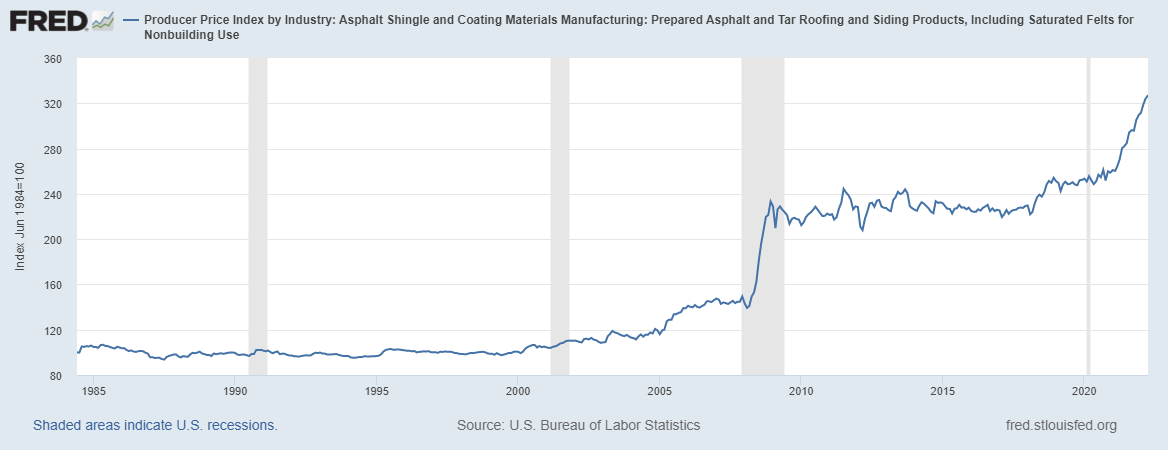
There is nothing to suggest that shingle prices will drop down to pre-COVID levels. This is actually similar to what we saw after the huge pricing jump in 2009 where there was a spike in asphalt cost. As the cost of asphalt stabilized, the shingle prices remained consistent – until 2020 where they began to rise again.
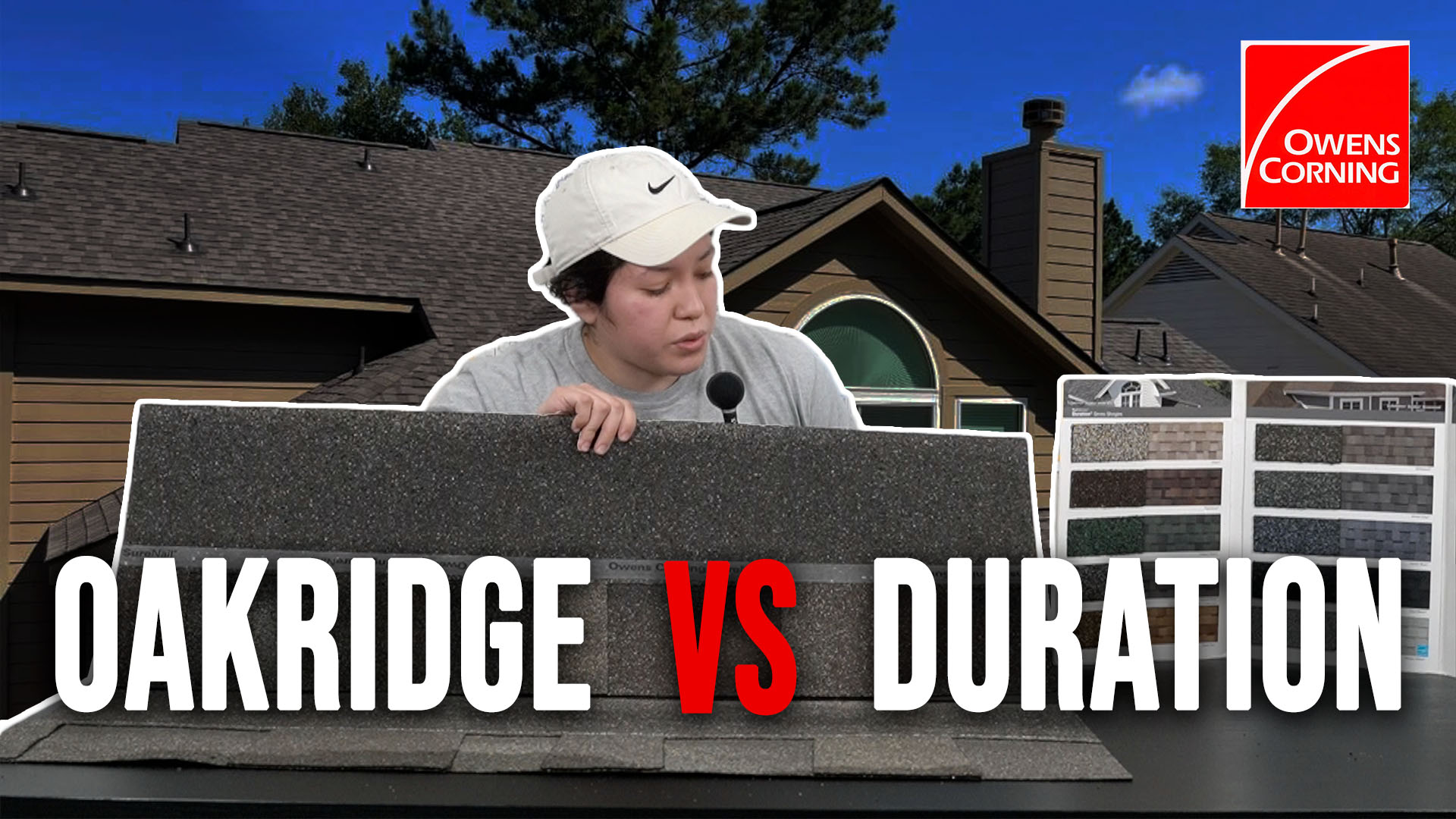
Comparing Oakridge vs. Duration Shingles: A Comprehensive Guide to Choosing the Best Roofing Option
Struggling to decide on the right shingle for your needs? Look no further as we delve into the advantages of Owens Corning’s highly sought-after shingles.
When it comes to architectural shingles, Owens Corning’s TruDefinition Duration® and Oakridge® stand out as the most used choices in the Houston area. These two shingle lines are widely preferred and frequently installed by homeowners.
If you find yourself pondering over the question, “What sets TruDefinition Duration apart from Oakridge shingles, and why should I consider upgrading?” – this blog post has got you covered!
Oakridge vs Duration Shingles: Unveiling the Key Differences and Making the Right Choice
Discover the differences between Owens Corning Duration and Owens Corning Oakridge shingles, two highly sought-after roofing options. Explore their unique features and performance characteristics that set them apart.
- Durability: Learn how these shingles fare in terms of long-lasting performance and resistance to Houston’s humid and rainy climate.
- Weight: Understand the weight considerations when comparing Owens Corning Duration and Owens Corning Oakridge shingles, ensuring a suitable choice for your roofing needs.
- Color Options: Explore the wide range of color options available with both shingle types, allowing you to find the perfect match for your home’s aesthetic.
- Warranty: Gain insights into the warranty coverage provided by each shingle type, giving you peace of mind regarding your investment.
- Price: Compare the pricing factors associated with Owens Corning Duration and Owens Corning Oakridge shingles, helping you make an informed decision based on your budget and requirements.
Whether you prioritize durability and premium quality or seek a more cost-effective option, this comprehensive comparison will guide you towards selecting the ideal shingle for your roofing project.

Oakridge Shingles
Oakridge Shingles offer:
- Limited Lifetime Warranty (for as long as you own your home)
- 110 MPH Wind Resistance
- StreakGuard Protection with a 25-year Algae Resistance Limited Warranty
Oakridge laminated shingles provide premium protection and impressive curb appeal. A full double layer in the nailing zone gives Oakridge Shingles greater integrity and better holding power compared to shingles single-layer nail zones. And the warm, inviting look in popular colors provides a step-up from traditional three-tab shingles.
TruDefinition Duration Shingles
Get the protection you need and the color you want with our tried-and-true TruDefintion® Duration® architectural shingles. Duration® shingles feature high contrast, monochromatic hues in a wide range of colors.
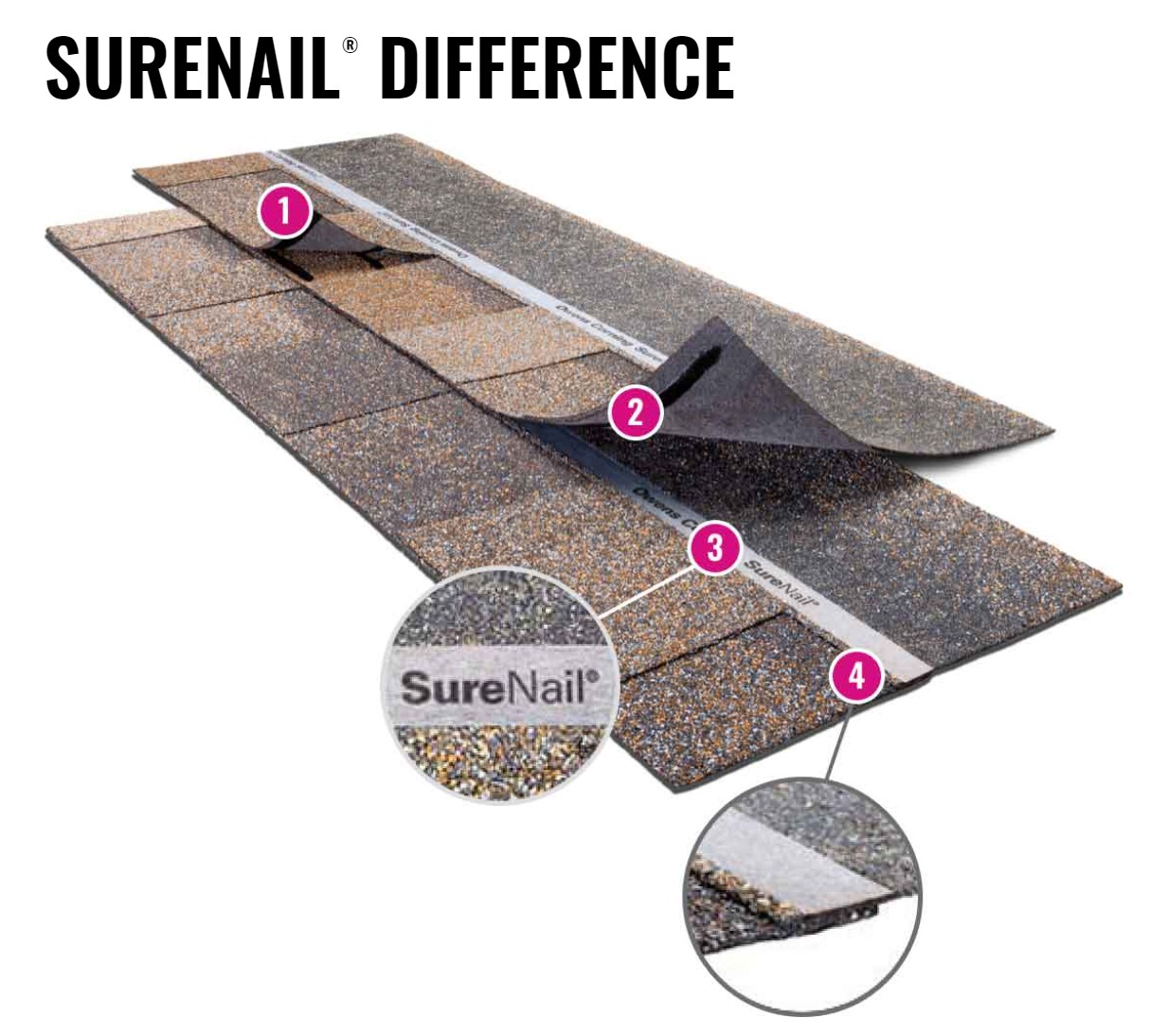
The SureNail Difference – A technological breakthrough in roofing. The innovative features of Owens Corning TruDefinition Duration Shingles with patented SureNail Technology offer the following:
- Breakthrough Design: Featuring a tough, woven engineered reinforcing fabric to deliver consistent fastening during installation
- Triple Layer Protection: A unique “triple layer” of reinforcement occurs when the fabric overlays the common bond of the shingle laminate layers that offers excellent fastener holding power
- Superior Adhesion: Our enhanced Tru-Bond sealant grips tightly to the engineered fabric nailing strip on the shingle below
- Excellent Adhesive Power: Specially formulated wide adhesive bands help keep shingle layers laminated together
- Exceptional Wind Resistance: The industry’s first asphalt roofing shingle engineered to deliver 130-MPH wind warranty performance with only 4 nails. 33% fewer nails are required for maximum warranty protection, which can mean fewer deck penetrations
1. Surenail Technology
Owens Corning Duration shingles are designed to be more durable than Oakridge shingles. They have patented SureNail technology that enhances their strength and helps them to withstand winds of up to 130mph. Oakridge shingles, on the other hand, have a lower wind resistance rating of up to 110mph.
There's a line between a good shingle and a great shingle
It’s the nailing line on your shingles. The difference between a good shingle and a great shingle is having SureNail® Technology, strength, and durability are built into every Duration Series shingle, thanks to the unique fabric strip in the nailing area.
2. Color
Both shingle types come in a wide range of colors, but the Owens Corning Duration shingles have a larger selection of premium colors and shades
The Duration Series have a TruDefinition color platform.
TruDefinition® is the color design platform trademark on shingles that are specially formulated to capture the bright, vibrant hues and dramatic shades that showcase the aesthetic appeal of your home. Shingles feature multiple-granule colors and shadowing to provide an extraordinary look that will enhance your home and complement its natural surroundings.
3. Weight
Owens Corning Duration shingles are slightly heavier than Oakridge shingles, which makes them more resistant to impact damage and gives them a more premium feel.
4. Price
Owens Corning Duration shingles are more expensive than Oakridge shingles, due to their increased durability and premium features. On an average roof replacement, the TOTAL COST difference will be about $400-$700 between the 2 shingles.
Final Conclusion
Which shingle is right for you?
In conclusion, at HHH Roofing & Construction, we have installed both Owens Corning Oakridge and Duration series shingles and have found both to be excellent options. If you are looking for a standard roof replacement, running a tighter budge, or even looking to sell your home soon we recommend choosing Owens Corning Oakridge shingles.
However, if you have a higher budget and want to invest in a premium roofing option that will increase your home’s curb appeal and withstand Hail/Wind/Rain impacts, we suggest upgrading to Owens Corning Duration shingles. Whichever option you choose, we are confident that you will be satisfied with the quality and durability of Owens Corning shingles.
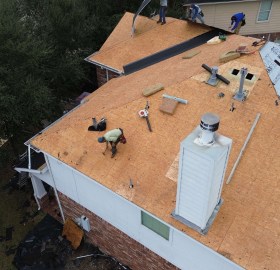
How Much Does A New Roof Cost in Houston? 2022
How much does a new roof cost in Houston in 2022? We understand replacing a roof is a huge project that can become a large investment for any homeowner. Your roof is also one of the most visible portions of your house, as well as one of the most important components in keeping your home safe from the environment.
Multiple leaks in a roof can lead to water damage and rotting of plywood underneath the singles. If not taken care of, eventually it will cause the ceiling of your home to collapse. Have you been putting off a much-needed roof repair or replacement? Here, we will provide you with all the information you need to answer your most important questions.
- How much does it cost to replace your roof?
- What are the different roofing materials?
- How do I know whether to repair or replace?
NOTE: In 2022, we have seen an unprecedented labor shortage as a side effect of the COVID-19 pandemic. The demand for materials has skyrocketed. As a result, materials prices may be higher (we have been getting a 5-7% almost monthly) than reported in this article and lead times may be longer than usual.
Here at HHH Roofing, we will update monthly to make sure you have the most up-to-date pricing!
How Much Does a New Roof Cost?
Replacing a roof is one of the most largest expenses you will face as a homeowner. It is an investment in your property that will keep your home in good shape for years to come. The average lifespan of an asphalt shingle roof in Houston is 20-25 years, depending on the type of roofing material you choose.
Zillow estimates that a roof replacement will return somewhere around 60% of its value in a real estate transaction. “Your home’s exterior is the first thing a buyer sees — and your roof is a part of that crucial first impression.” The average cost to replace a roof in Houston is around $8,000 with most people spending in the range of $5,000 – $18,000.
Roofing Cost Per Square
When you receive a roof replacement estimate from your roofing company, they measure your home in Squares:
100sqft = 1SQ.
For a standard roof replacement, it can cost between $360 – $390 per square. The two largest variables you’ll deal with are the square footage of your roof and the complexity of the roof.
Average Cost to Replace a Roof by Roof Size
Roof by Square Foot
Re-Roofing Cost
1,500 (15SQ)
1,600 (16SQ)
1,700 (17SQ)
1,800 (18SQ)
1,900 (19SQ)
2,000 (20SQ)
2,500 (25SQ)
3,000 (30SQ)
3,500 (35SQ)
4,000 (40SQ)
4,500 (45SQ)
5,000 (50SQ)
$5,400 – $5,850
$5,760 – $6,240
$6,120 – $6,630
$6,480 – $7,020
$6,840 – $7,410
$7,200 – $7,800
$9,000 – $9,750
$10,800 – $11,700
$12,600 – $13,650
$14,400 – $15,600
$16,200 – $17,550
$18,000 – $19,500
Factors that affect the price of a new roof
After calling 3-4 different local roofing companies, you start to wonder why all the roof replacement estimates are different. There are many factors that affect who you ultimately select as your roofing contractors, such as reputation, license and insurance.
How does a roofing company price a new roof? Here are the 6 factors that will affect the price of your roof estimate:
1. Roof Size
The size of your home is not the same as the size of your roof. Roofers will take an accurate measurement using square footage and divide that number by 100, giving them what is called a roofing square. You need to consider whether your roof has a lower or higher pitch. There are various roof types such as gable, hip, mansard, and others that cost more than a flat roof.
2. Roof Pitch
There are homes in The Woodlands & Spring that have a flatter roof pitch, whereas others have a steeper roof pitch. The pitch elevation makes a difference in the installation cost, as the steeper the roof, the more surface area. Also the steeper the roof the longer the job will take because of safety precautions such as harnesses.
3. type of roof being removed & Number of layers
Most homes only have 1 layer of asphalt shingle but sometimes a home can have two layers. The more material needed to be teared off, the higher of price because of labor and disposal costs which is typically determined by weight
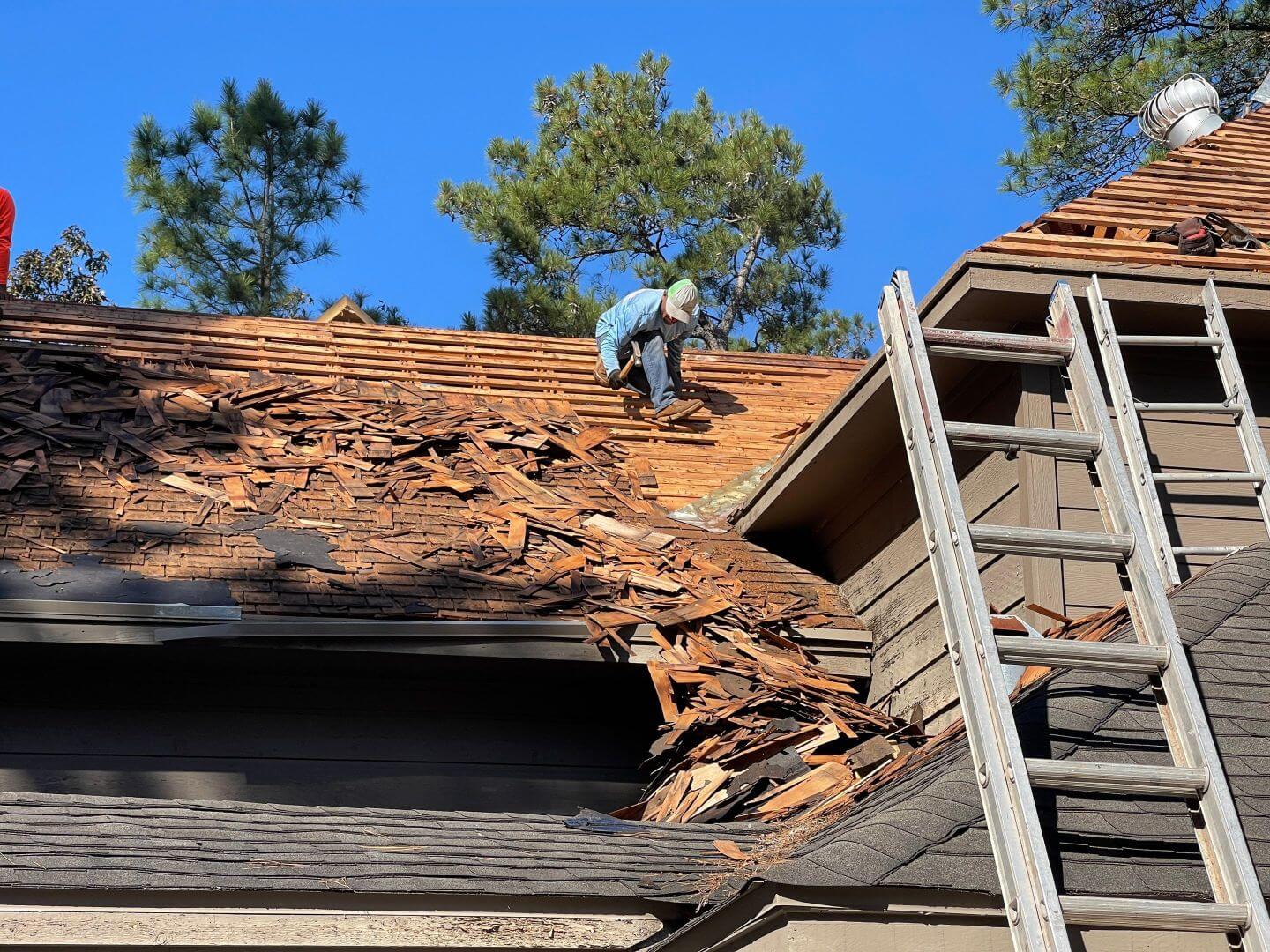
An example of a roof replacement in Humble, TX where the homeowners had wooden shake underneath the shingles. Wood shake had to be removed and new decking needed to be installed.
4. type of roofing material
The average materials costs for roofing typically accounts for about 40% of your roof replacement cost. Material cost is one of the biggest and most important things to consider. There are different brands and differences in their materials being used.
- TYPE OF SHINGLES
Asphalt shingles are the most popular choice for most homeowners today. They are affordable yet durable, lasting up to 25 years in Houston. If you are looking at replacing your roof, asphalt shingles also offer a variety of different colors and styles.
There are different material manufacturers but, we stand by Owens Corning and CertainTeed.
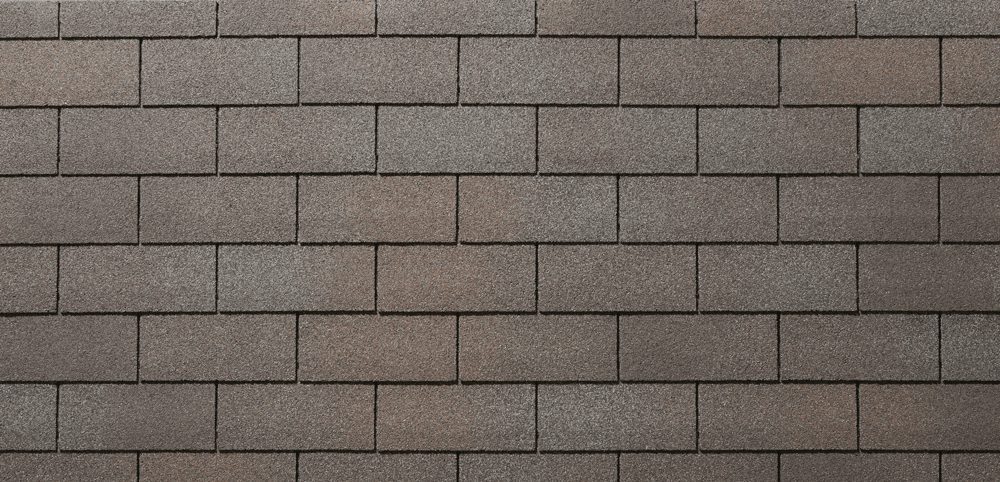
3 Tab Shingles
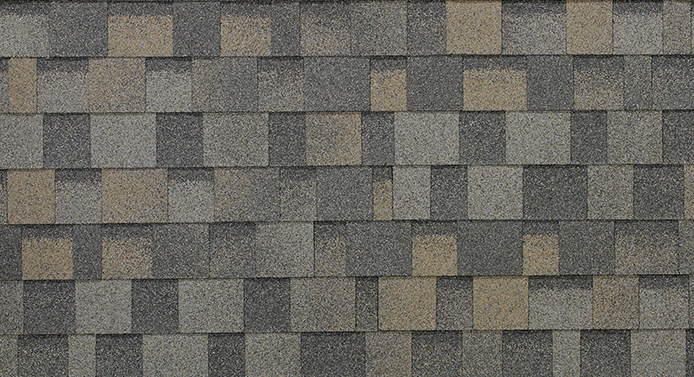
Architectural Shingles
2. TRADITIONAL FELT VS SYNTHETIC FELT.
At HHH Roofing, we always install synthetic underlayment vs traditional felt. It’s included in our Roof Systems.
Synthetic Underlayment:
- Lighter in weight making it easier and safer to install
- More tear-resistant when exposed to high winds and foot traffic
Asphalt Traditional Felt
- Often much less expensive
- More prone to tear
3. TRADITIONAL ROOF VENTS VS RIDGE VENT
The roofing material is going to be relatively the same for every roofing company. A cheap roofer that can only compete with other companies by offering a lower price is going to cut corners to keep a profit.
Material being used does make a difference and is better explained in person. We offer free roof replacement estimates and will go through the material being used as well as answer any questions you might have. We don’t believe in high pressure sales to close a deal, we believe in educating our customers in the product being used and earning your business through trust and value.
5. The Right Roofer
Not all companies are the same. We tell homeowners don’t hire chuck with a truck. If you are getting an estimate that is drastically cheaper be skeptical.
Hire a local roofing company that has the credentials:
- Local roofing company
- Established, with a great reputation
- Years of experience
- Credentials (Certification, License, A+ BBB, HARCA, Etc.)
- Liability Insurance
- Online Presence with reviews (Google, Facebook, Instagram, LinkedIn, Thumbtack)
*Remember: Most companies offer free roof replacement estimates
If you hire a cheap roofer you are having liability for your roof. We have been out to countless jobs where the homeowner just installed a roof but is now having leaks after 3 years.
With the company comes warranty. Prices change depending on what warranty you get
Manufacturer Warranty: Limited Life Time Warranty on the shingles, you can usually upgrade this warranty. Depends on the brand you are going with.
Company Warranty: Companies can offer their own warranty to give homeowner peace of mind. Most problems with roofs come from improper installation.
6. Additional Details
Finally, there are the finishing details of a roof that can affect your roof replacement cost. Every home being unique, has a different amount of plumbing boots, possible skylights, even a chimney will affect the roof price.
One of the biggest factors is whether your home is one story or two story.
New Roof Estimate (Example)
A real-life example of how much a new roof cost. This is a beautiful 2-story home located in Spring, TX.
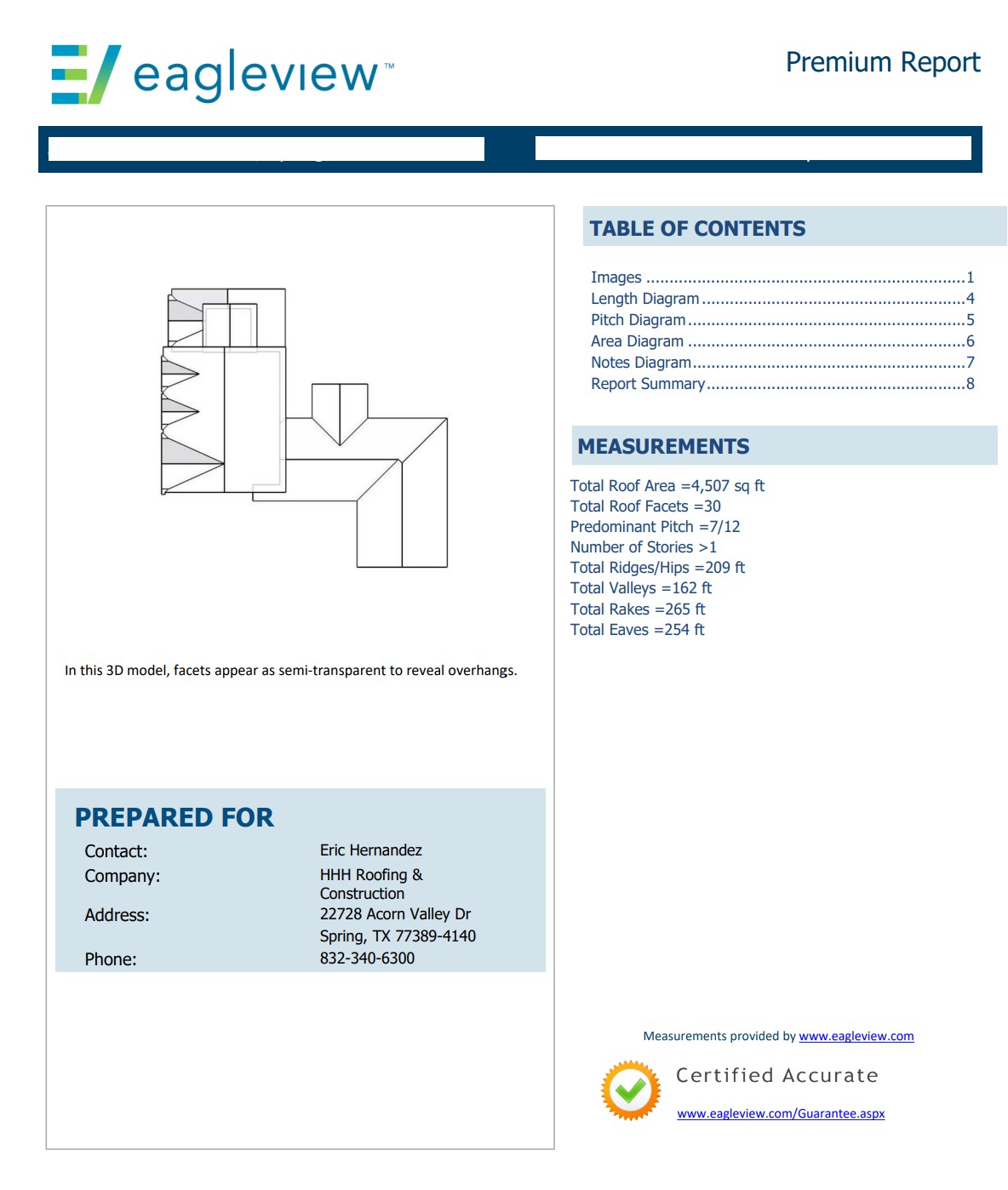
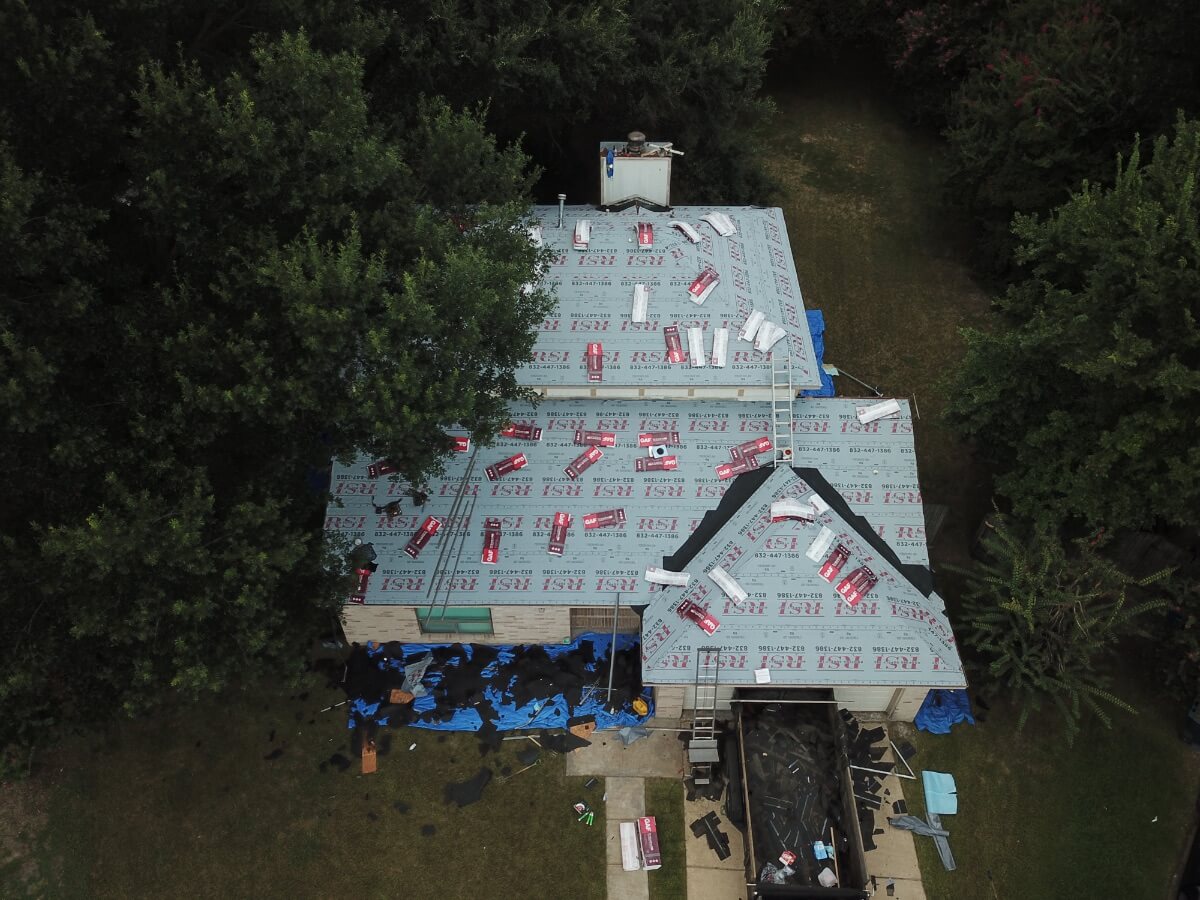
We started off with getting the measurements of the roof by ordering an Eagleview report. The roof has a predominant pitch of 7/12 which means the roof isn’t too steep and only had the standard 1 layer of roofing material to be removed.
The roof was complex only with having multiple valleys to work with. The roof is 46 squares. The total estimate would come out to $17,290.