

What Is TPO Roofing? The Ultimate Guide To TPO
Discover The Benefits & Disadvantages of TPO Roofs
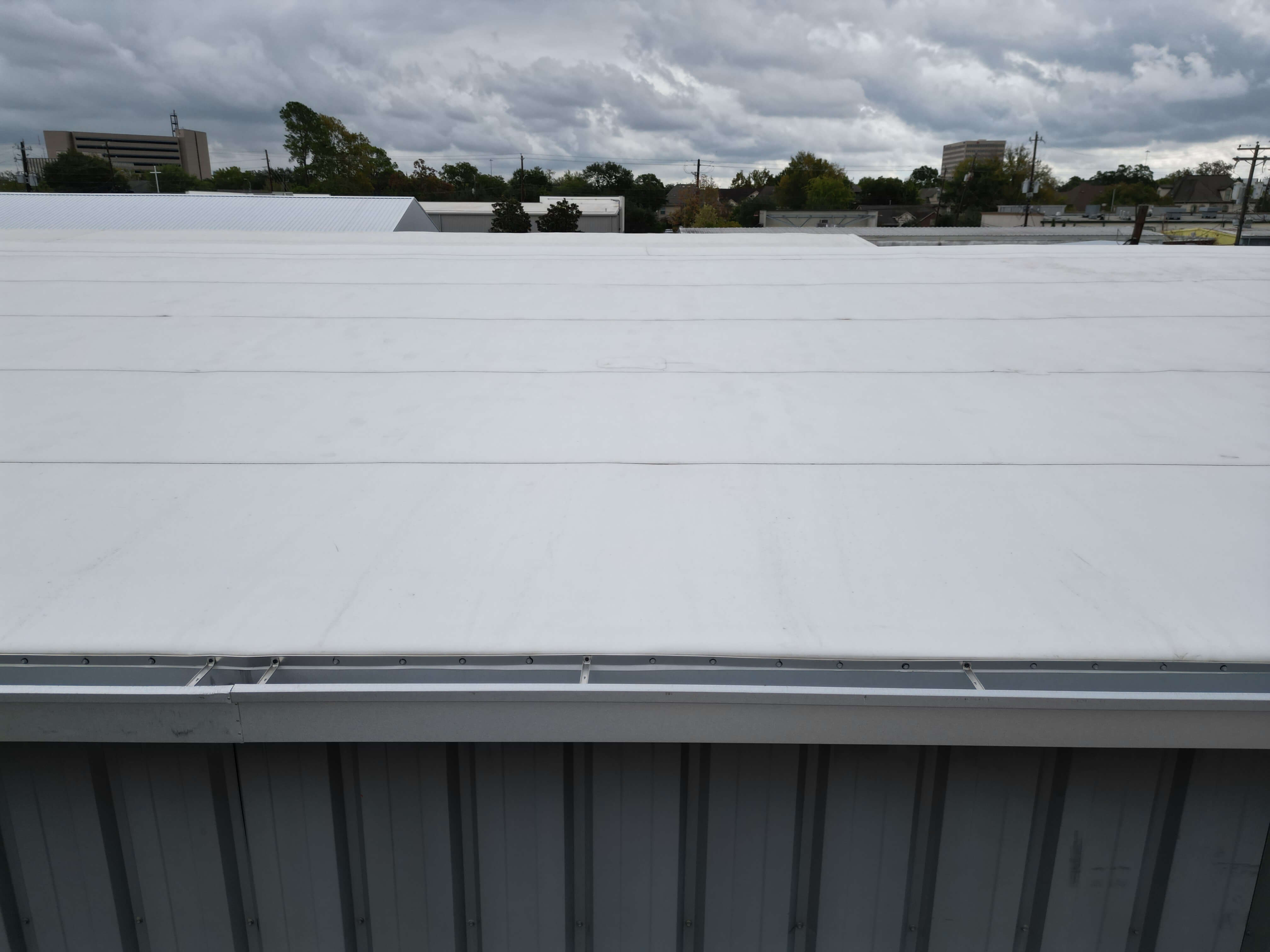
TPO roofing, short for Thermoplastic Olefin, is a versatile, durable, and energy-efficient option for flat roofs in various climates. Comprising rubber, plastic, and reinforcing materials, it resists UV rays, chemicals, and the elements. Ideal for energy-efficient buildings, it’s a preferred choice for residential and commercial properties due to its ease of installation and low maintenance.
According to reports and data, it stands out as one of the most rapidly expanding roofing systems in the industry.
Benefits of TPO Roofing for Houston Commercial Properties
UV Resistance and Durability: TPO roofing stands strong against UV rays and harsh weather conditions, extending its lifespan.
Energy Efficiency: Its reflective properties deflect sunlight, reducing cooling costs, and contributing to energy-efficient buildings.
Leak Prevention: TPO’s flexibility and strong seams help prevent leaks, ensuring reliable protection for flat roofs.
Cost-Effectiveness: TPO roofing is a budget-friendly option compared to some alternatives, offering long-term savings.
Low Maintenance: Requiring minimal upkeep, TPO roofing remains a hassle-free choice for property owners.
Variety of Colors: With a range of color options, TPO roofing can complement a building’s aesthetic while maintaining its functionality.
How Do You Install TPO?
Mechanically Attached
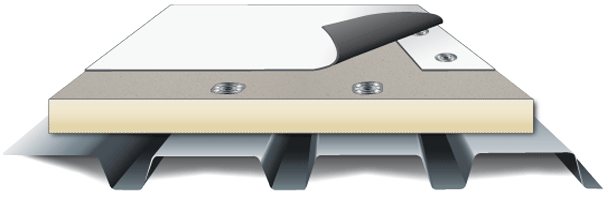
Mechanically attaching TPO roofing involves securing the membrane with fasteners and plates, providing stability and efficiency in flat roof installations.
Fully Adhered
Adhering TPO roofing means bonding the membrane with adhesive directly to the substrate, offering a seamless appearance and strong protection against leaks and elements.

Induction Welding
Induction welding TPO roofing uses electromagnetic energy and specially designed plates to melt and fuse the membrane with the substrate, creating secure and durable seams without open flames or adhesives. This method is efficient, safe, and known for its reliability in roofing applications.

How long does TPO Roofs Last?
TPO roofing is renowned for its durability, making it a solid choice for homes and businesses alike. Generally, a well-installed TPO roof can last anywhere from 20 to 30 years or more. This resilience is due to TPO’s resistance to UV rays, weather, and its ability to reflect heat. Regular maintenance, including inspections and debris removal, can help extend its lifespan. Manufacturer warranties often provide insight into the expected longevity, usually ranging from 15 to 30 years based on various factors. In essence, TPO roofing offers a long-lasting solution with proper care, ensuring reliable protection for decades.


What insulation is needed for a tpo roof?
When considering insulation for a TPO roof system, the approach is tailored to the specific building. Each building and TPO roof configuration is unique, influenced by factors like:
- The existing roof on the building
- The number of insulation layers already in place
- The required R-value for the building
- Warranty specifications stipulated by TPO manufacturers
Below, we outline typical insulation options commonly encountered:
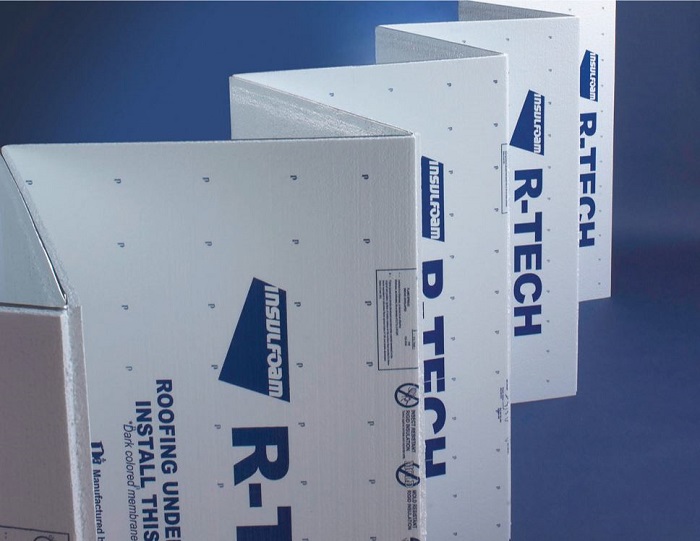
EPS Fan fold
EPS Fan Fold Insulation stands as a prevalent and cost-effective insulating option. While it offers a relatively low R-Value of approximately 2.27, its popularity is driven by its affordability. This type of insulation is frequently chosen when installing a TPO Roof over existing surfaces like an old TPO Roof, modified torch roof, or coatings.
Poly Iso
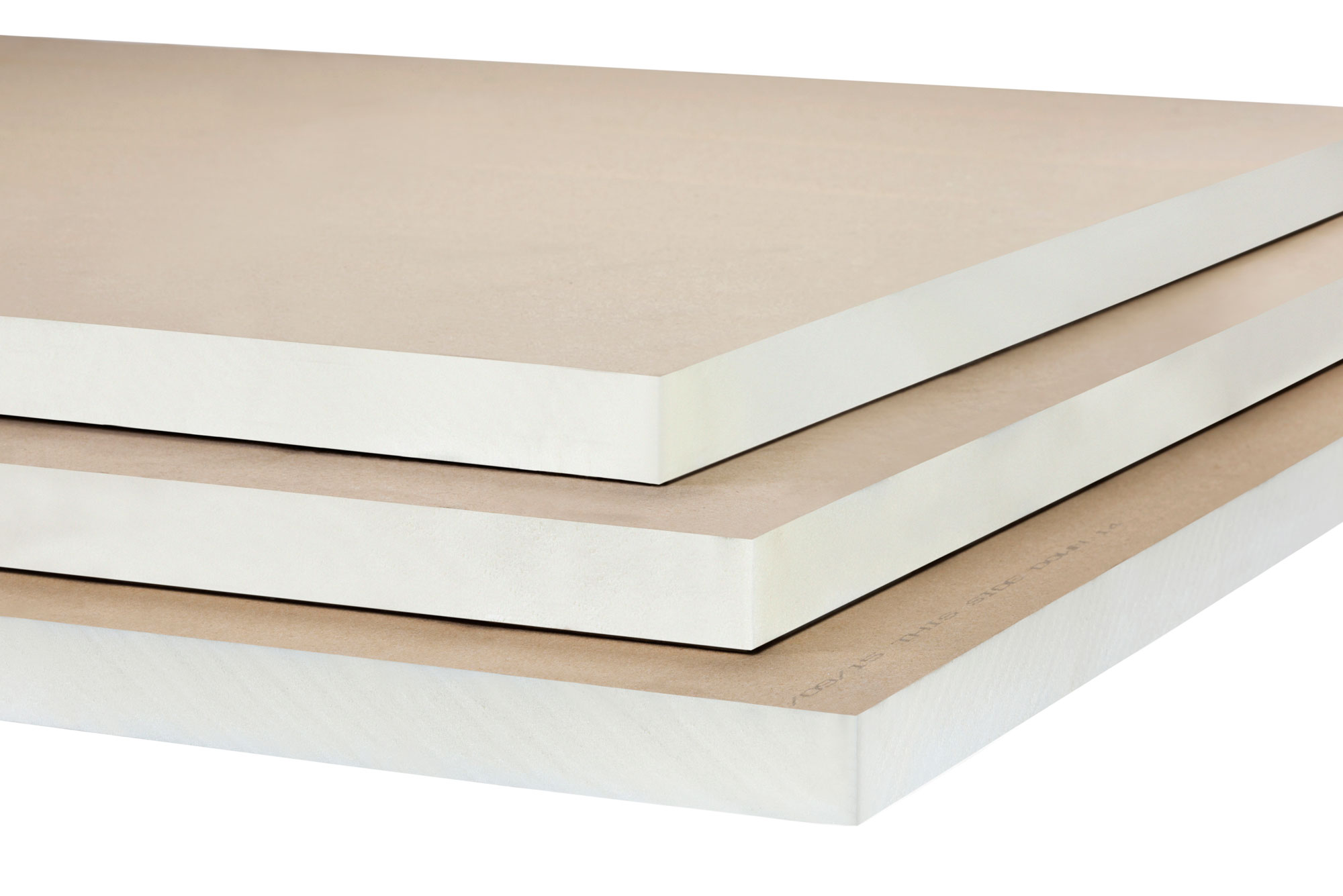
Another prevalent insulation choice is POLY ISO, frequently available in sheets of 4×8 or 4×4. Its R-Value is contingent on the thickness chosen, ranging from 1″ to 2.2″, 3″, and more. On average, it offers an R-Value of approximately 6.5 per inch. This insulation finds common application in new constructions, over graveled roofs, modified torch roofs, or when increasing the building’s R-Value to comply with codes. Pricing fluctuates based on the chosen thickness.
TPO Roofing Installation for Houston Commercial Roofs
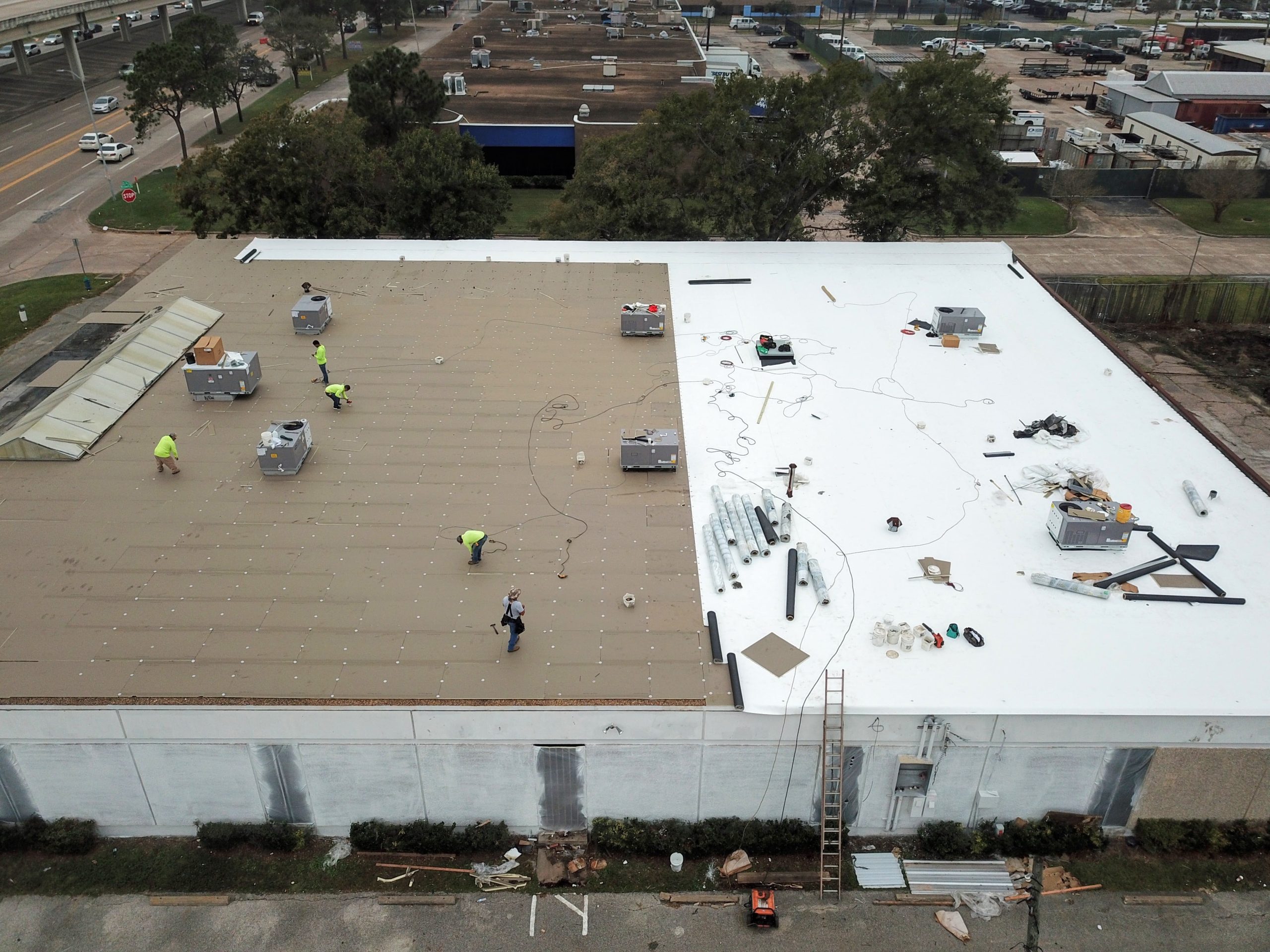
Installing TPO roofing on commercial properties in Houston demands a meticulous process to ensure longevity and performance. Below is an outline of the essential steps involved in the installation:
1. Surface Preparation:
- Thoroughly clean and inspect the roof surface, ensuring it is free of debris, dirt, and damage.
- Repair any existing issues, such as leaks or structural damage.
- Properly prepare the substrate to ensure a solid foundation for the TPO membrane.
2. Insulation Application:
- Depending on the building’s needs and energy efficiency goals, install appropriate insulation materials.
- Ensure proper insulation thickness and type to meet Houston’s climate demands.
3. TPO Membrane Installation:
- Unroll the TPO membrane across the roof, ensuring proper positioning and alignment.
- Secure the membrane using the chosen installation method: mechanically attached, fully adhered, or ballasted.
- Pay special attention to seams, ensuring they are tightly sealed for water resistance.
4. Heat Welding Seams:
- In the case of mechanically attached or fully adhered installations, employ heat welding to fuse the seams of the TPO membrane.
- This process creates strong, watertight connections that prevent leaks and enhance durability.
5. Flashing and Edge Details:
- Install flashing components around roof penetrations, edges, and corners for added protection.
- Proper flashing ensures water doesn’t infiltrate vulnerable areas of the roof.
6. Quality Assurance:
- Thoroughly inspect the entire TPO roofing system to identify any imperfections or defects.
- Address any issues promptly to ensure a flawless installation.
Conclusion: TPO roofing installation for Houston commercial roofs is a comprehensive process that requires attention to detail and expertise. From preparing the substrate to fusing seams and applying proper insulation, each step contributes to a reliable and long-lasting roofing system. By enlisting the skills of seasoned professionals, businesses can ensure their TPO roof is effectively installed to withstand Houston’s weather while providing energy efficiency and protection for years to come.

Top 5 Common Causes of Commercial Roof Leaks
Commercial leaks can cause significant damage, disrupt operations, and result in financial losses for businesses. Understanding the common causes of commercial leaks is crucial for effective prevention and timely intervention. In this blog post, we will explore the top five most frequent causes of commercial leaks. By gaining insights into these common causes, businesses can take proactive steps to safeguard their properties
Table of Contents
1. Open Penetrations on roof
Penetration on the roof refers to any hole that is made through your roof. Many commercial roofs have membrane-based material that can be easily penetrated with any sharp object such as a nail or knife.
Flat commercial roofs often feature a range of components, including roof vents, HVAC units, drains, gas lines, and pipes. These elements penetrate the roof’s membrane, creating openings or passages referred to as penetrations. Areas of penetrations should be properly sealed during the initial roof installation.
How Does It Affect My Roof?
Penetrations on your roof affect the integrity of your roof. Water infiltration occurs through the opening, subsequently traveling beneath the membrane until it locates a path within the building, ultimately leading to the occurrence of a leak.
Modified Torch penetration
DuroLast Penetration

2. Installation done improperly
A common cause of a leak is ultimately the material utilized not being installed correctly. It is important to hire a company that specializes in the material that you are installing on your flat roof.
How Does it Affect My Roof?
There have been many instances where we inspect a building and find that the roofer didn’t follow the material installation guidelines. Leaving the owner with more headaches as they are now stuck with multiple issues such as leaks.


3. Improper Drainage (ponding water)
First, Let’s talk about the importance of a proper Drainage system on your flat roof.
With flat roofs, you have to play the game a little differently in comparison to your typical traditional residential roof system. A Residential roof tends to have a slanted roof allowing the water to run down your roof onto the gutters. On a flat roof, however, you do not get that luxury since you are dealing with a low slope roof (aka a flat roof). This helps differentiate between the differences in water drainage on a flat roof compared to a slanted residential roof.
Slanted residential roof

commercial Flat roof
How Does a Proper Drainage System Help My Roof?
If water lingers in one spot for too long, it puts excessive stress and weight on the roof. This becomes even more problematic if the roof is already older or compromised because it increases the chances of leaks. Moreover, the excess water can damage the roofing material, making it more prone to future leaks. Keeping a proper drainage system can help keep water from sitting on the roof.
If you are experiencing this issue please call a trusted roofing company to come out and inspect your roof to better help the direction of water to the proper location preventing the chances of leaks.
Ponding water examples on flat roof


4. Poorly done Repairs
There have been multiple occasions where we go up to inspect a roof and we see repairs that have just been done poorly, causing a more significant issue in the long run. It is important to make sure you are resolving the issue on deck not just posing for a temporary fix or diy situation.
Common examples of improper repairs in commercial roofing:
- Band-aid fixes: Applying temporary sealants or patches without addressing the root cause, such as underlying roof defects or damaged membranes.
- Use of incorrect materials: Employing unsuitable or incompatible materials that do not provide adequate protection against leaks or weather elements.
- Lack of professional expertise: Attempting DIY repairs without proper knowledge and training can lead to improper techniques, ineffective repairs, and compromised roof performance.
poorly done coating

poorly done coating

5. HVAC System leaking
Checking HVAC systems for leaks is crucial for commercial buildings. It is common that a cause for leaks is not directly associated with any roof system but instead with the HVAC system. Certain areas of the HVAC system should be inspected to ensure effective leak detection. These include ductwork, connections and fittings, and condensate drain lines.
How can HVAC System compromise the integrity of my roof?
If the condensate pump in your AC system malfunctions or becomes dirty, it can lead to water leakage, potentially causing flooding in your attic or basement. The persistent presence of water creates a conducive environment for the growth of mold and mildew inside the unit, which can subsequently lead to clogging. By prioritizing HVAC leak detection and maintenance, businesses can enhance energy efficiency, maintain a healthy indoor environment, and prolong the lifespan of their HVAC systems.