

What Is TPO Roofing? The Ultimate Guide To TPO
Discover The Benefits & Disadvantages of TPO Roofs
TPO roofing, short for Thermoplastic Olefin, is a versatile, durable, and energy-efficient option for flat roofs in various climates. Comprising rubber, plastic, and reinforcing materials, it resists UV rays, chemicals, and the elements. Ideal for energy-efficient buildings, it’s a preferred choice for residential and commercial properties due to its ease of installation and low maintenance.
According to reports and data, it stands out as one of the most rapidly expanding roofing systems in the industry.
Benefits of TPO Roofing for Houston Commercial Properties
UV Resistance and Durability: TPO roofing stands strong against UV rays and harsh weather conditions, extending its lifespan.
Energy Efficiency: Its reflective properties deflect sunlight, reducing cooling costs, and contributing to energy-efficient buildings.
Leak Prevention: TPO’s flexibility and strong seams help prevent leaks, ensuring reliable protection for flat roofs.
Cost-Effectiveness: TPO roofing is a budget-friendly option compared to some alternatives, offering long-term savings.
Low Maintenance: Requiring minimal upkeep, TPO roofing remains a hassle-free choice for property owners.
Variety of Colors: With a range of color options, TPO roofing can complement a building’s aesthetic while maintaining its functionality.
How Do You Install TPO?
Mechanically Attached
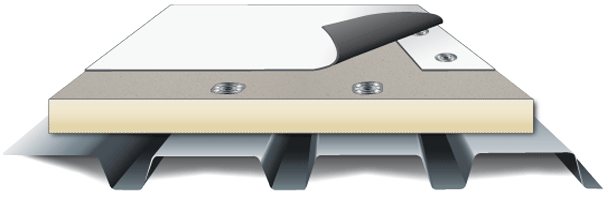
Mechanically attaching TPO roofing involves securing the membrane with fasteners and plates, providing stability and efficiency in flat roof installations.
Fully Adhered
Adhering TPO roofing means bonding the membrane with adhesive directly to the substrate, offering a seamless appearance and strong protection against leaks and elements.

Induction Welding
Induction welding TPO roofing uses electromagnetic energy and specially designed plates to melt and fuse the membrane with the substrate, creating secure and durable seams without open flames or adhesives. This method is efficient, safe, and known for its reliability in roofing applications.

How long does TPO Roofs Last?
TPO roofing is renowned for its durability, making it a solid choice for homes and businesses alike. Generally, a well-installed TPO roof can last anywhere from 20 to 30 years or more. This resilience is due to TPO’s resistance to UV rays, weather, and its ability to reflect heat. Regular maintenance, including inspections and debris removal, can help extend its lifespan. Manufacturer warranties often provide insight into the expected longevity, usually ranging from 15 to 30 years based on various factors. In essence, TPO roofing offers a long-lasting solution with proper care, ensuring reliable protection for decades.


What insulation is needed for a tpo roof?
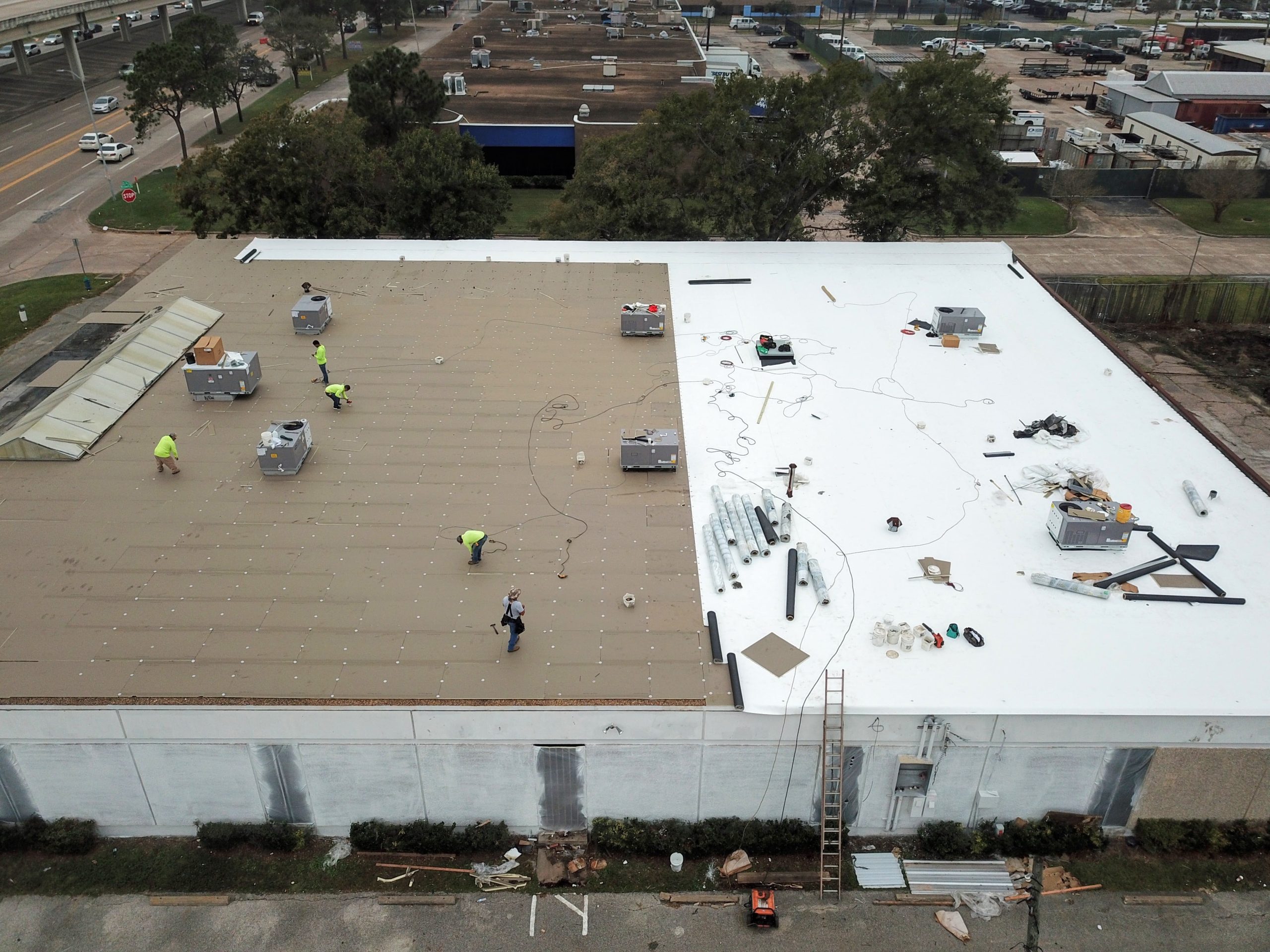
When considering insulation for a TPO roof system, the approach is tailored to the specific building. Each building and TPO roof configuration is unique, influenced by factors like:
- The existing roof on the building
- The number of insulation layers already in place
- The required R-value for the building
- Warranty specifications stipulated by TPO manufacturers
Below, we outline typical insulation options commonly encountered:
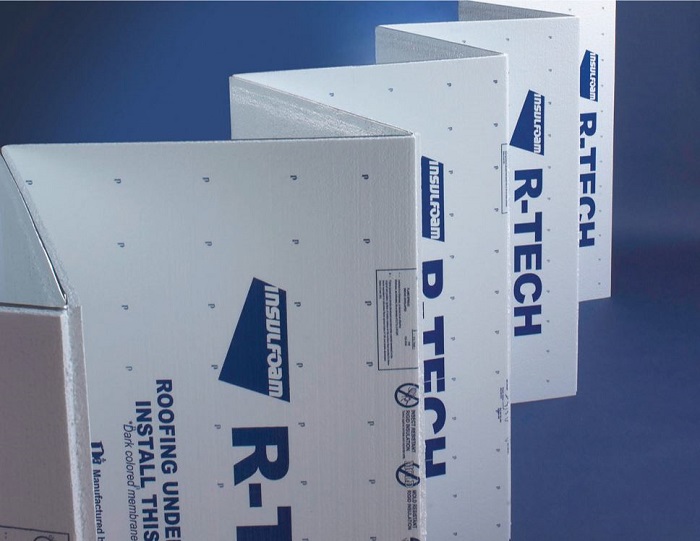
EPS Fan fold
EPS Fan Fold Insulation stands as a prevalent and cost-effective insulating option. While it offers a relatively low R-Value of approximately 2.27, its popularity is driven by its affordability. This type of insulation is frequently chosen when installing a TPO Roof over existing surfaces like an old TPO Roof, modified torch roof, or coatings.
Poly Iso
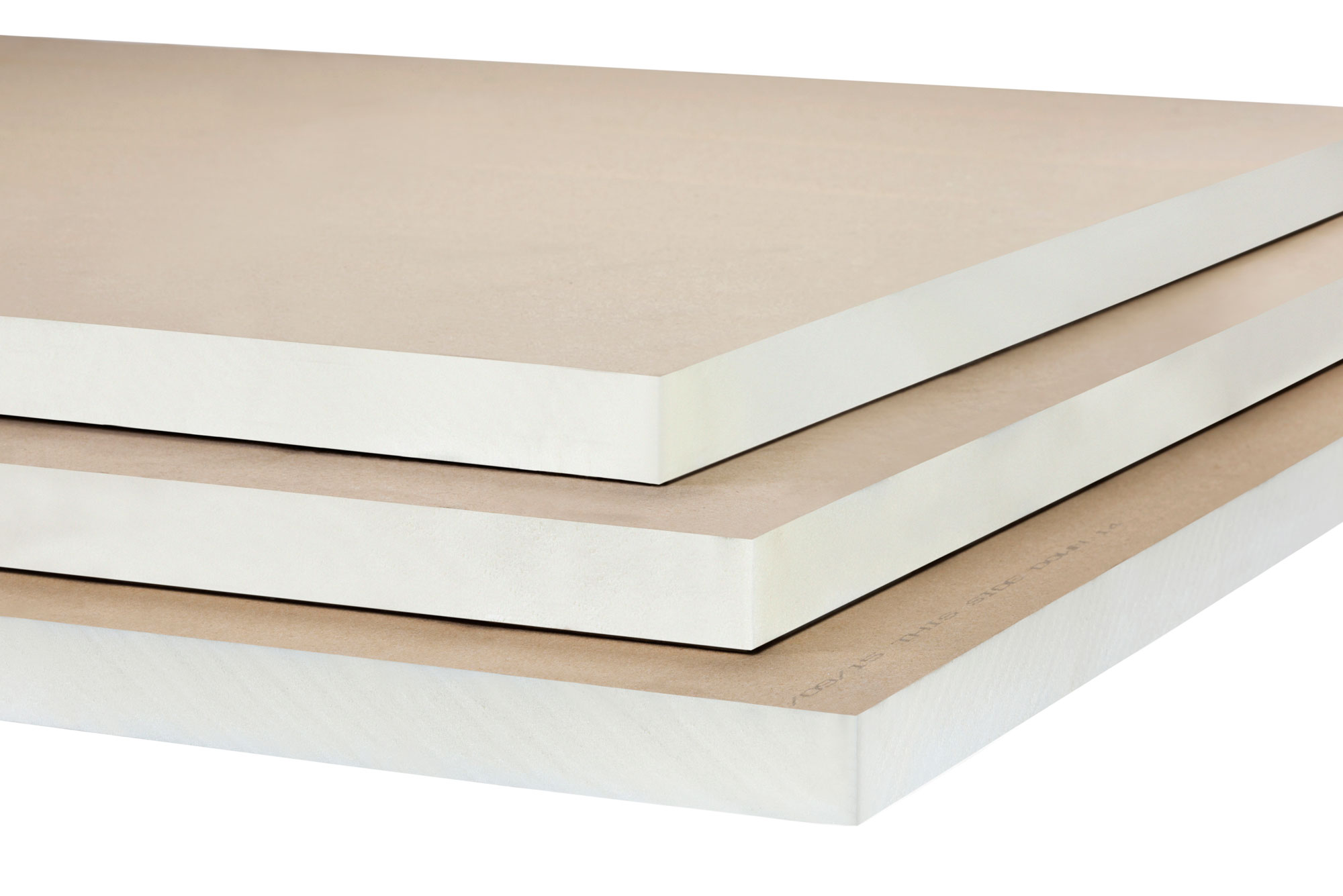
Another prevalent insulation choice is POLY ISO, frequently available in sheets of 4×8 or 4×4. Its R-Value is contingent on the thickness chosen, ranging from 1″ to 2.2″, 3″, and more. On average, it offers an R-Value of approximately 6.5 per inch. This insulation finds common application in new constructions, over graveled roofs, modified torch roofs, or when increasing the building’s R-Value to comply with codes. Pricing fluctuates based on the chosen thickness.
TPO Roofing Installation for Houston Commercial Roofs
Installing TPO roofing on commercial properties in Houston demands a meticulous process to ensure longevity and performance. Below is an outline of the essential steps involved in the installation:
1. Surface Preparation:
- Thoroughly clean and inspect the roof surface, ensuring it is free of debris, dirt, and damage.
- Repair any existing issues, such as leaks or structural damage.
- Properly prepare the substrate to ensure a solid foundation for the TPO membrane.
2. Insulation Application:
- Depending on the building’s needs and energy efficiency goals, install appropriate insulation materials.
- Ensure proper insulation thickness and type to meet Houston’s climate demands.
3. TPO Membrane Installation:
- Unroll the TPO membrane across the roof, ensuring proper positioning and alignment.
- Secure the membrane using the chosen installation method: mechanically attached, fully adhered, or ballasted.
- Pay special attention to seams, ensuring they are tightly sealed for water resistance.
4. Heat Welding Seams:
- In the case of mechanically attached or fully adhered installations, employ heat welding to fuse the seams of the TPO membrane.
- This process creates strong, watertight connections that prevent leaks and enhance durability.
5. Flashing and Edge Details:
- Install flashing components around roof penetrations, edges, and corners for added protection.
- Proper flashing ensures water doesn’t infiltrate vulnerable areas of the roof.
6. Quality Assurance:
- Thoroughly inspect the entire TPO roofing system to identify any imperfections or defects.
- Address any issues promptly to ensure a flawless installation.
Conclusion: TPO roofing installation for Houston commercial roofs is a comprehensive process that requires attention to detail and expertise. From preparing the substrate to fusing seams and applying proper insulation, each step contributes to a reliable and long-lasting roofing system. By enlisting the skills of seasoned professionals, businesses can ensure their TPO roof is effectively installed to withstand Houston’s weather while providing energy efficiency and protection for years to come.

Duro-Last vs TPO | Which Is Better?
Is TPO or Duro-Last a better roofing system? Duro-Last is the better roofing system yet will be more expensive. In this blog post, we are going to break it all down for you from a contractor’s perspective that installs and repairs both roofing systems.
Material Differences
Duro-Last and TPO almost look identical both being white single-ply membranes. If you dive deeper into the material, what really sets them apart is their chemical compound.
Is TPO or Duro-Last a better Material? Duro-Last develops a higher quality material with a better chemical compound making them the better material. Their material is more expensive, and it really shows when we compare material vs. material.
Duro-Last Material Breakdown

Duro-Last is composed of PVC film laminated to both sides of a reinforcement fabric (weft-inserted scrim).
PVC Film: Proprietary thermoplastic PVC
formulation of resins, plasticizers, stabilizers,
biocides, flame retardants, and U.V. absorbents
Weft-Inserted Scrim: An 18 x 14 polyester fabric construction with weft insertion, composed of 840 x1000 denier threads, provides superior tear and puncture resistance. The polyester thread is treated to prevent wicking.
Duro-Last itself is a type of PVC roofing system and a Brand. Duro-Last carries manufacturing plants all over the United States and the closest one to Houston is located in Dallas.
In order to install a Duro-Last roofing system, you need to directly place an order through their company. This means you have to be certified through them and have an account with them.
Each Duro-Last system is custom fabricated for your roof which is why they can’t sell them at roofing supply stores.
TPO Material Breakdown
TPO (Thermoplastic Polyolefins) compounds are resin blends of polypropylene and un-crosslinked EPDM rubber and polyethylene
TPO is not a brand it is a type of material. There are different brands that create TPO membranes such as:
TPO material can be ordered from your local supplier because they are purchased in rolls. If you are here in Houston, you are able to find most brands at ABC Supply or Commercial Distribution Specialists.
How is each material installed?
Duro-Last & TPO are similarly installed most commonly using these methods:
Mechanically Attached
Fully Adhered
Both roofing systems utilize the same roofing accessories and similar Insulation types (Fan-Fold 1/2″ and Polyiso).
The biggest difference between the two is the way they come. TPO is a rolled good that comes in either 6′ x 100′ or 10′ x 100′ while Duro-Last is a prefabricated membrane made specific to the dimensions of your roof that just gets unfolded at the jobsite.

Due to Duro-Last being prefabricated, there are less seams to weld meaning there is a less likelihood for a leak happening in the seams.
When you are installing TPO you need to have a 6″ overlap between the rolls to go ahead and weld the seams. You have more seams to weld when installing TPO and more of a potential for possible leaks in the future.
That doesn’t mean TPO is hard material to install. It just means that TPO is harder to install when compared to Duro-Last.

Does Duro-Last or TPO cost more?
Duro-Last: They require you to order through the Duro-Last portal and use only Duro-Last accessories. The material itself is more expensive versus TPO membranes. Since you have to order the material to get it prefabricated there is a wait time and more delivery costs fees.
TPO: It is usually readily available at your local roofing supply and the material itself is less. Making it the more affordable option!
WARNING FOR OUR BUSINESS OWNERS
Both materials are great and if they were both installed correctly the Duro-Last system will give you several years more than a TPO system.
Issues come from the material not being INSTALLED CORRECTLY not from the material itself!
Find a great roofing company that can show you their past jobs and explain to you the breakdown of how they are going to install everything, but most importantly the warranty they are offering as a company not just material warranty.