
What is the Cheapest Roof Replacement? Let’s face it, getting a new roof is a big deal and can be pretty costly. But hey, who says you can’t find a great deal that doesn’t skimp on quality? Your roof isn’t just what makes your house look good; it’s your first line of defense against rain, wind, and that scorching Houston sun. Here, we provide you with all the information you need to answer your most important questions:
- How to Get a Cheap Roof?
- What is the Cheapest Roofing Material?
- How Much Does It Cost to Replace Your Roof?
- Tips for Getting an Affordable Roof
How To Get A Cheap Roof?
Roof replacements can be a significant investment, and there are many reasons why you might need an affordable option. Whether you’re tight on budget, managing a rental property, dealing with insurance claims, or facing an unexpected expense, finding a cost-effective roofing solution is important.
Here’s how to get a quality roof without breaking the bank:
Material Matters
The material is a major factor in roofing costs. Prices vary, and they’re mostly set by manufacturers. However, some roofing suppliers offer better rates on certain materials. Our advice? Talk to your contractor about the most budget-friendly materials they can provide. We’ll explore more on materials in the sections below.
Choosing the Right Roofing Company
Local companies, especially family-owned ones, often have lower overheads and can offer fair prices without compromising on quality. It’s a win-win to support local businesses and save money.
Financing Options
Look into financing options for your roof replacement. This could be a line of credit from your bank or payment plans offered by the roofing company. Some local contractors might even agree to a partial upfront payment followed by monthly installments.
Insurance Claims
If you’ve recently experienced severe weather, ask your contractor about potential storm damage that your insurance might cover. Only consider this if there’s actual damage, as unnecessary claims can complicate matters.
Quality vs. Cost
While these tips can help lower your costs, remember that quality is key. Choosing the cheapest option might lead to poor craftsmanship, resulting in more costs down the line. It’s best to work with a trusted local roofer to find a balance between cost and quality. They need to run a sustainable business, so their prices need to be fair for both parties.
In summary, while affordability is crucial, it shouldn’t come at the expense of quality. By making informed choices and working with reputable professionals, you can find a roofing solution that fits your budget and provides lasting value.
Understanding Roofing Materials: What You're Really Paying For
When it comes to replacing or installing a new roof, most homeowners focus on the shingles — but that’s just one part of the entire roofing system.
There are multiple brands, price points, and components involved, and understanding them can help you make better decisions (and avoid getting ripped off).
What's Included in a Roofing System?
Every Roof has standard components, plus optional ones depending on your home’s design. Below is a breakdown of what to expect:
Core Roof Materials (Standard on Every Roof)
Asphalt Shingles – Your main roofing layer
Starter Shingles – Laid along the edges to prevent blow-off
Hip & Ridge Shingles – Cover roof ridges for protection and finish
Underlayment – A protective barrier beneath the shingles
Ice & Water Barrier / Valley Metal – Protects valleys or vulnerable areas
Step Flashing – Metal strips that prevent water leaks near walls and chimneys
Plumbing Boots – Seals around plumbing vent pipes
Ridge Vent or Static Box Vents – Allow heat and moisture to escape the attic
Furnace Vents / Bathroom Vents – Tie into your home’s exhaust system
Drip Edge – Metal trim that guides water off your roof and into gutters
Additional Roofing Components (Installed If Needed)
Chimney Flashing – Custom flashing around your chimney
Skylight Flashing – Prevents leaks around skylights
Low-Slope Material (e.g. Modified Torch) – For flatter roof sections
Others: Cricket installation for chimneys, decking repairs, brick wall flashing etc.
Asphalt Shingles: What You Need to Know
Your choice of shingles plays a major role in your overall roofing cost. The larger your roof, the more shingles are needed to cover it—so as your roof size increases, so does the cost of materials.
Starter Shingles: We recommend local suppliers’ branded starters for cost-effective roofing. Quality matches higher-priced options, akin to HEB or Walmart brands. In Houston, TX, choose trusted suppliers like ABC Supply, SRS Supply, Beacon, RSI, etc.

Hip & Ridge Shingles: To save money on Hip & Ridge shingles, we recommend using the same brand as your 3-Tab shingles. This is the most common and economical choice for Hip & Ridge Shingles.

Underlayment: The cheapest underlayment available is 15LB felt; however, we do not recommend using this. It is within building codes; however, you can upgrade to synthetic underlayment for little money. We recommend installing the local suppliers’ branded synthetic underlayment. Quality will be better than 15LB felt. It is comparable to HEB branded or Walmart branded items. In Houston, TX, we recommend going with recognized suppliers such as: ABC Supply, SRS Supply, Beacon, RSI, etc.

Ice & Water Barrier vs. Valley Metal: For an affordable choice in Houston, go with ice & water barriers instead of valley metal. Consider local brands for ice & water barriers—they’re high quality but cost less, much like store brands at HEB or Walmart. For the best products, stick to well-known suppliers like ABC Supply, SRS Supply, Beacon, RSI, and others in Houston, TX.

Plumbing Boots: The most budget-friendly option is a plastic plumbing boot, but we suggest going with a galvanized metal one instead. It costs a bit more but is worth it because it handles the Texas heat much better. In that heat, plastic boots can warp, causing shingles to buckle and leak. Metal boots are tougher against Texas weather and can even be more cost-effective than fancier types like bullet boots.

Ridge Vent / Static Box Vents:We recommend sticking with your current ventilation system if you’re looking to save money. It’s wise to have a roofer come out and ensure you have proper ventilation. If you currently have a ridge vent, install a standard ridge vent, not the upgraded option. Similarly, if you have box vents, install standard box vents instead of the upgraded solar box vents.

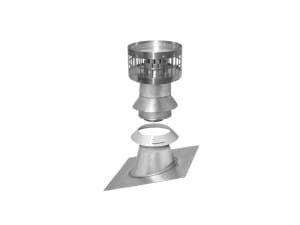
Furnace Vents:
When considering the most cost-effective approach, having the furnace inspected and, if necessary, replacing the base, color, or cap, followed by resealing and painting, is advisable.
Drip Edge: The most common sizes are 1 1/2 inches and 2 inches. For those seeking the most cost-effective option, the 1 1/2-inch size is recommended.

How Much Does It Cost To Replace Your Roof?
The average cost to replace a roof in Houston is around $13,000, with most people spending in the range of $8,000 to $22,000.
When you receive a roof replacement estimate from your roofing company, they measure your home in squares: 100 sqft equals 1 SQ.
The biggest factors that will affect this price are the material, which we have covered, and the complexity of the roof. For more information, refer to our blog, “How Much Does A New Roof Cost In Houston”
What To Consider When Choosing Cheaper Roofing Materials?
Trying to get the cheapest roof possible can be a risky game. There’s a big difference between finding a good deal—and hiring someone who cuts corners.
Yes, there are ways to save money. But at the end of the day, quality roofing requires a fair investment. Many low-budget contractors offer tempting prices, but often skip key materials, ignore local codes, offer no warranty, and use poor workmanship. In the long run, this can lead to leaks, costly repairs, or even a full replacement years sooner than expected.
Here’s how to protect your investment (without breaking the bank):
Choose affordable architectural shingles over 3-tab shingles.
They last 10–15 years longer, withstand higher winds, and require the same labor. The cost difference is small—but the long-term value is huge.Don’t skip essential roofing components.
Your quote should include replacing all critical parts of the system:
Underlayment, Drip Edge, Ice & Water Shield, Plumbing Boots, and Vents. A complete roof system protects your home—and your warranty.Hire the right roofing company.
Look for a local, established contractor with strong reviews, proof of insurance, and ideally certifications with manufacturers. A roofer that’s been in business for 5+ years is more likely to stand behind their work.