Discover The Benefits & Disadvantages of TPO Roofs
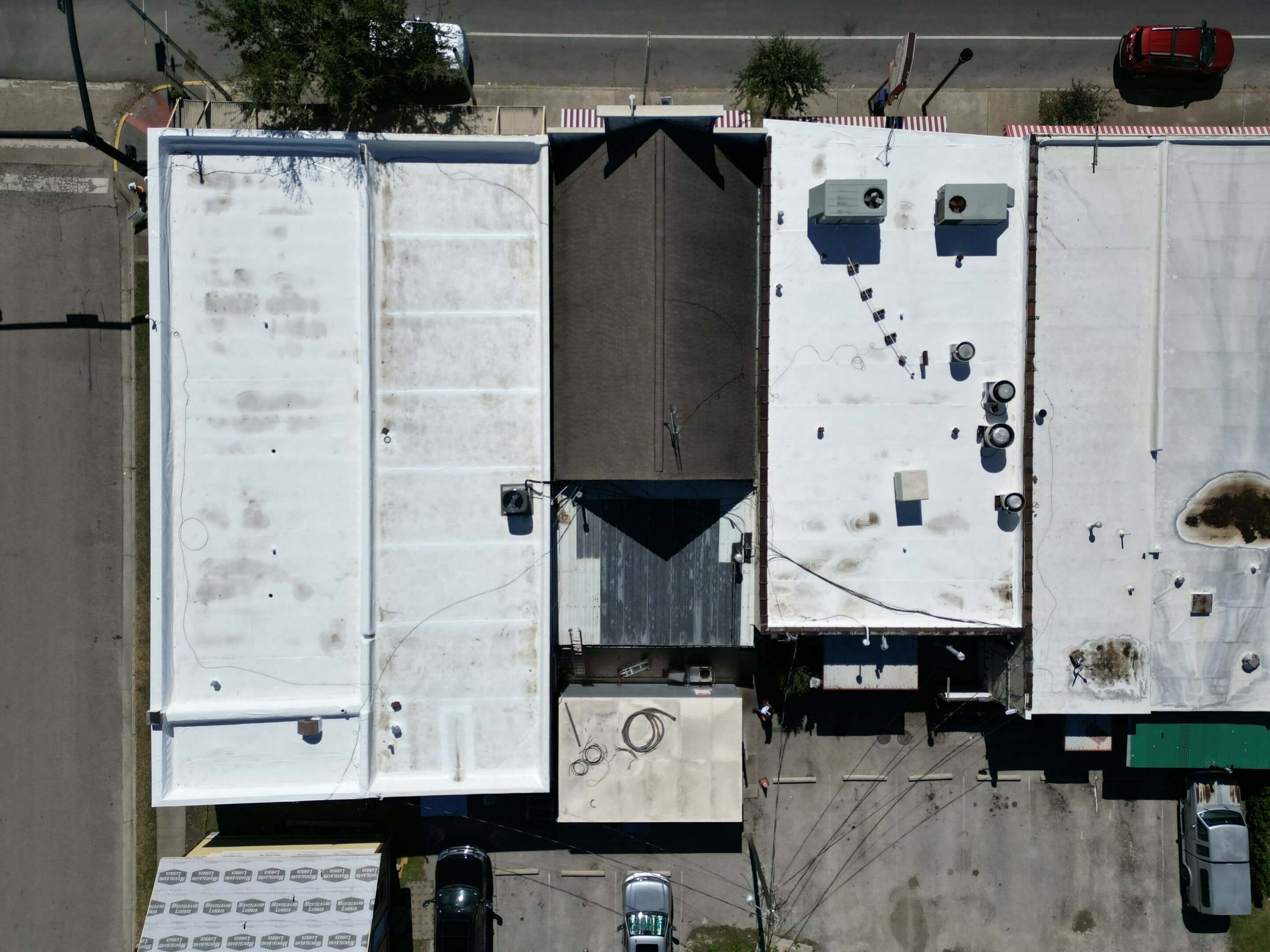
TPO roofing, short for Thermoplastic Olefin, is a versatile, durable, and energy-efficient option for flat roofs in various climates. Comprising rubber, plastic, and reinforcing materials, it resists UV rays, chemicals, and the elements. Ideal for energy-efficient buildings, it’s a preferred choice for residential and commercial properties due to its ease of installation and low maintenance.
According to reports and data, it stands out as one of the most rapidly expanding roofing systems in the industry.
Benefits of TPO Roofing for Houston Commercial Properties
UV Resistance and Durability: TPO roofing stands strong against UV rays and harsh weather conditions, extending its lifespan.
Energy Efficiency: Its reflective properties deflect sunlight, reducing cooling costs, and contributing to energy-efficient buildings.
Leak Prevention: TPO’s flexibility and strong seams help prevent leaks, ensuring reliable protection for flat roofs.
Cost-Effectiveness: TPO roofing is a budget-friendly option compared to some alternatives, offering long-term savings.
Low Maintenance: Requiring minimal upkeep, TPO roofing remains a hassle-free choice for property owners.
Variety of Colors: With a range of color options, TPO roofing can complement a building’s aesthetic while maintaining its functionality.
How Do You Install TPO?
Mechanically Attached
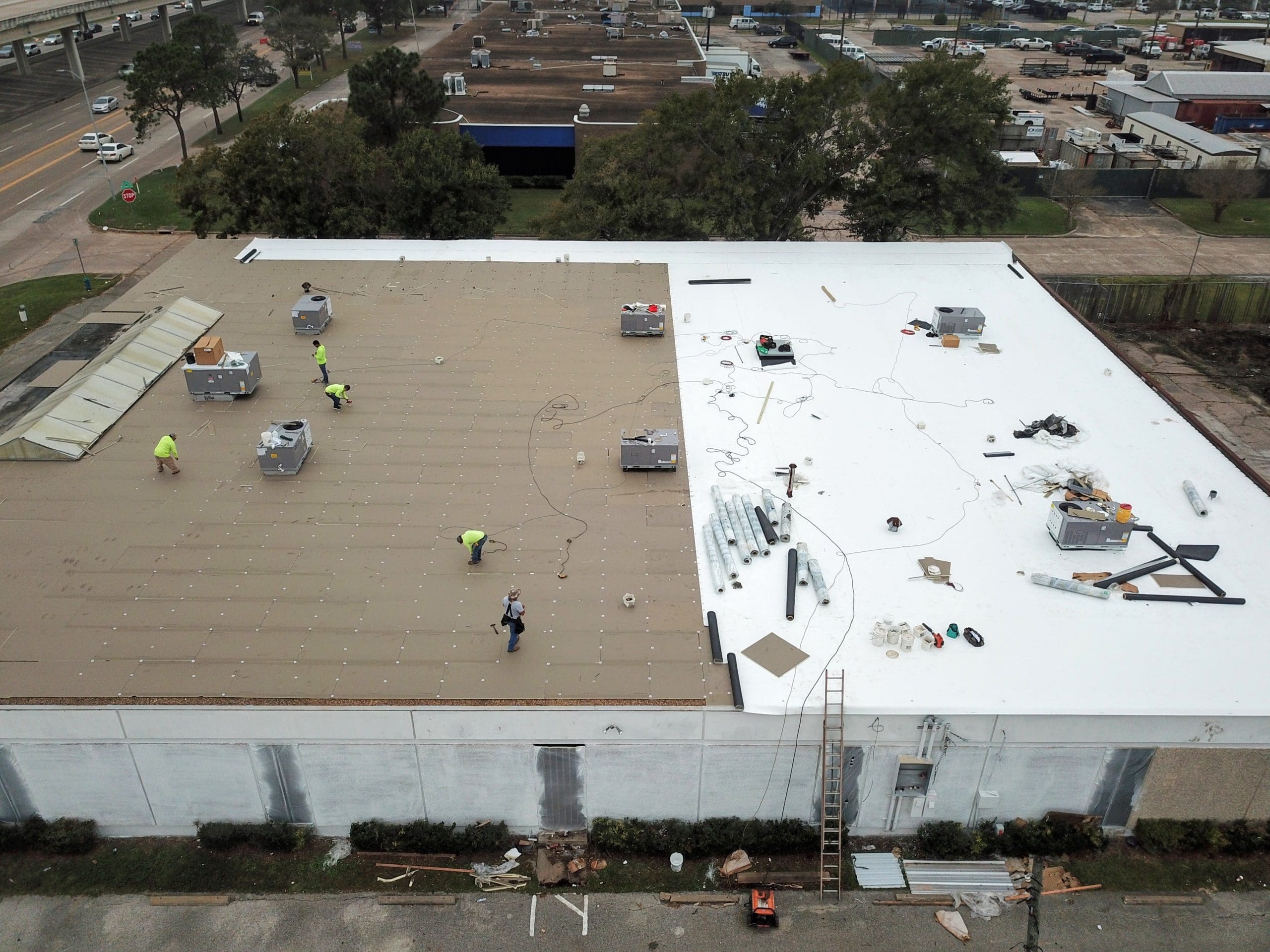
Mechanically attaching TPO roofing involves securing the membrane with fasteners and plates, providing stability and efficiency in flat roof installations.

Fully Adhered
Adhering TPO roofing means bonding the membrane with adhesive directly to the substrate, offering a seamless appearance and strong protection against leaks and elements.

Induction Welding
Induction welding TPO roofing uses electromagnetic energy and specially designed plates to melt and fuse the membrane with the substrate, creating secure and durable seams without open flames or adhesives. This method is efficient, safe, and known for its reliability in roofing applications.

How long does TPO Roofs Last?
TPO roofing is renowned for its durability, making it a solid choice for homes and businesses alike. Generally, a well-installed TPO roof can last anywhere from 20 to 30 years or more. This resilience is due to TPO’s resistance to UV rays, weather, and its ability to reflect heat. Regular maintenance, including inspections and debris removal, can help extend its lifespan. Manufacturer warranties often provide insight into the expected longevity, usually ranging from 15 to 30 years based on various factors. In essence, TPO roofing offers a long-lasting solution with proper care, ensuring reliable protection for decades.